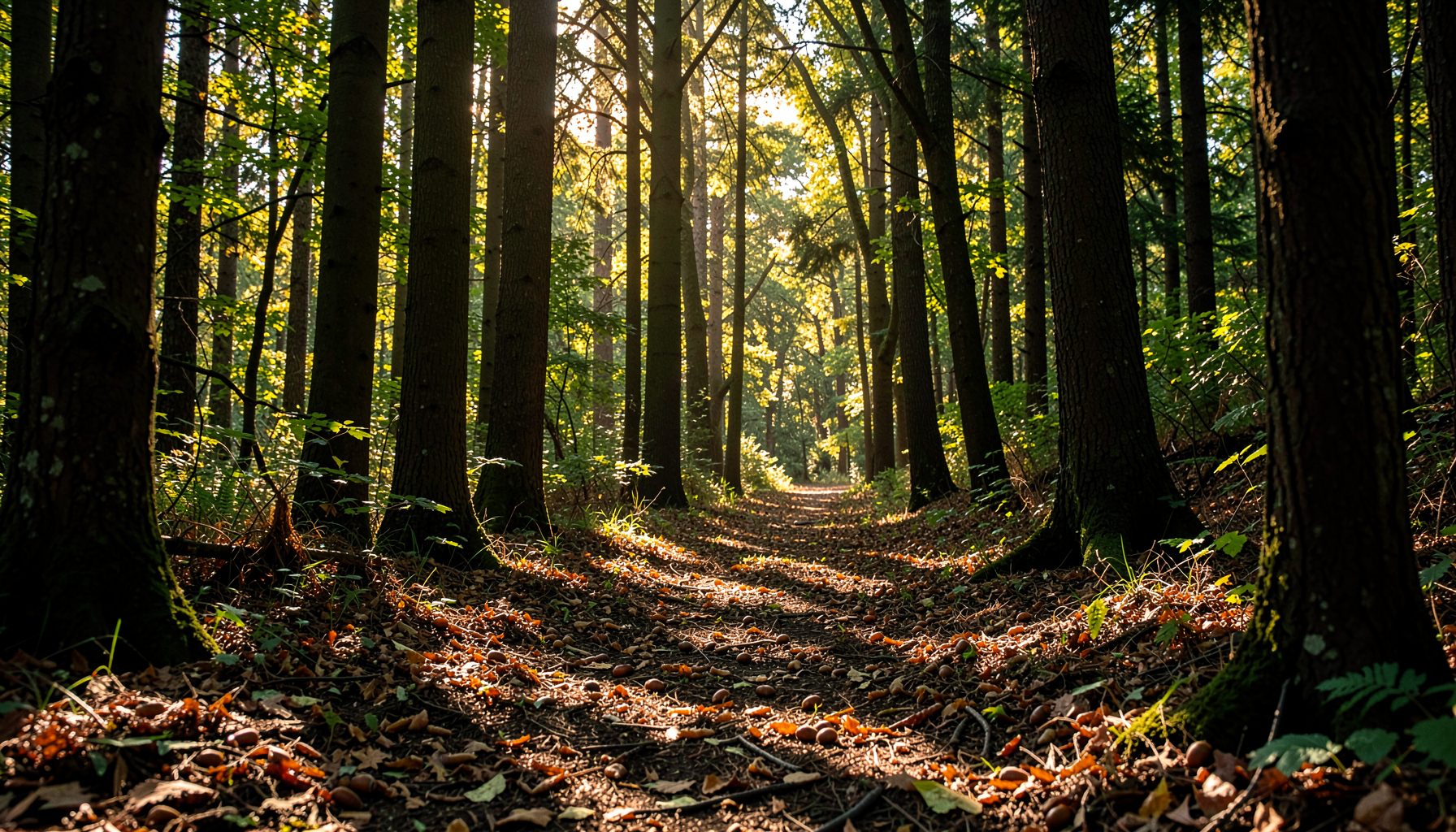
Keeping seeds viable through winter in a garage or basement
Seed saving feels almost like a quiet rebellion against the throwaway culture. Collect a handful of acorns from a river red gum, scoop wattle pods off the footpath, or gather walnuts on a Sunday arvo walk through the Dandenong Ranges, and suddenly the months ahead become a small project full of possibility. Yet the gap between collecting and sowing is where most backyard growers quietly lose their harvest. Damp, heat, mice, and impatience all take their toll, and by spring the germinated batch is patchy at best.
Australian native seeds tend to be tougher than they look. Most species from the eastern seaboard and the southern tablelands have evolved to sit through cold, dry months before firing into growth when the rains return. The job during winter is essentially to mimic those conditions without inviting mould, rot, or vermin into the picture. A garage or basement offers the cool, stable environment these seeds crave, provided you plan ahead and avoid the usual beginner mistakes.
This guide is written for people who collect their own seed, whether they join a volunteer day with organisations like Growing Native's family program, shake the branches of a neighbour's walnut tree, or simply sweep up what falls on the driveway in late autumn. The advice below applies whether you are storing a handful of acorns in Manly or several hundred grams of acacia seed on a property near Hobart.
Drying seeds the right way before storage
The single most common reason saved seeds fail is that they go into storage too wet. Surface moisture on a freshly picked acorn or a green wattle pod creates the perfect home for fungal spores, and once mould takes hold in a closed container it spreads fast. The first job is to get seeds genuinely dry before they are packed away for winter.
Spread cleaned seed on a single layer of newsprint, an old window screen, or a clean baking tray lined with paper towel. Keep them out of direct sun and away from heaters, since high heat can cook the embryo inside. Most hardwood and shrub seeds from southeastern Australia need somewhere between one and three weeks of air drying at room temperature to reach a safe moisture content. The seed coat should feel hard and cool to the touch, and a wattle pod should snap rather than bend.
If you are collecting in the humid subtropics around Brisbane or the wetter parts of the Illawarra, consider running a small fan across the drying trays for the first day or two. Air movement matters more than warmth in those climates. Skip the oven, the microwave, and the dehydrator unless you can set it below thirty-five degrees and check it regularly.
Picking containers that let seeds breathe
Once seeds are dry, the container you choose either protects them or slowly kills them. Garages and basements in Australia swing through surprising temperature ranges, from below zero in a Hobart winter to surprisingly warm in a Perth autumn night. The container has to buffer those swings while keeping pests out and letting any residual moisture escape.
Paper envelopes, glass jars with rubber gaskets, breathable calico bags, and rigid plastic tubs all have their place. The trick is matching the container to the seed. Hard, dry acorns tolerate a sealed jar in a cold corner. Fine wattle seed needs airflow and prefers a paper envelope inside a lidded box. Walnut seeds, with their high oil content, behave differently from acorns and benefit from the careful harvesting tips in this walnut collection guide.
| Container | Best for | Pros | Watch outs |
|---|---|---|---|
| Paper envelope | Small, dry wattle and eucalyptus seed | Breathable, cheap, packs flat | Vulnerable to mice, absorbs damp |
| Glass jar with gasket | Acorns, larger nuts | Airtight, rodent proof, clear | Traps moisture if seed is damp |
| Rigid plastic tub | Mixed collections | Stackable, rodent proof, cheap | Condensation if temperature swings |
| Calico or mesh bag | Pods, large seeds | Excellent airflow, reusable | Exposes seed to pests |
| Metal tin with lid | Bulk hard seed | Durable, blocks light | Rusts if humid, no breathability |
Avoid leaving seeds in the plastic bags they came in from the nursery. Those bags hold condensation against the seed coat for weeks on end. The same goes for old take-away containers that once held dim sims, since the curry smell never really leaves and oil residue can affect germination.
Managing temperature swings in a garage
A garage or basement stays cool, but cool is not the same as cold and stable. Most Australian native seeds tolerate a wide range of temperatures, though few enjoy being cooked inside a tin sitting in summer sun or frozen solid on an exposed concrete floor in a Canberra winter.
Aim for a spot that holds a steady temperature between five and fifteen degrees through the worst of the season. A north-facing garage wall in Sydney will read twenty degrees on a winter afternoon, while the same wall might dip to two degrees overnight in July. Choose a shelf on an internal wall, away from the door, and away from any whitegoods that generate warmth. The back corner under a workbench is often the most stable spot in a typical Aussie garage.
If you live somewhere with genuinely cold winters like Ballarat or the NSW Central Tablelands, watch for frost creeping up through the slab. A sheet of foam under a wooden crate lifts the seed off the cold floor and adds a useful insulating layer. The opposite problem shows up in Queensland basements, where humidity can push eighty percent and turn paper labels into pulp. A cheap hygrometer from Bunnings is a worthwhile investment and saves a lot of guessing.
Keeping mice, weevils and mould out of the stash
Seed storage is essentially a war of attrition against anything else that wants to eat the seed. Mice find acorns irresistible and will chew through cardboard in a single night. Weevils arrive already laid inside wattle pods and only wake up as conditions warm. Mould spores float in on dust and wait for moisture.
Clean all jars and tubs with hot soapy water and let them dry in the sun before packing. Toss in a small food-safe desiccant sachet, the kind that comes in vitamin bottles, to mop up any lingering damp. A bay leaf or two inside a jar is an old bush remedy that smells pleasant and discourages weevils, though it is not a guarantee. Some growers drop a strip of fresh paper tape sticky-side out across the top of a jar, which catches the first intruders.
Label everything with the species, the date, and where the seed was collected. A pencil writes better on paper tape than a biro, which fades in low light. Keep a small notebook on the shelf with germination notes from past seasons, since patterns tend to repeat and a quick glance saves repeating last year's mistakes. The more detail you record, the better next year's crop will be.
Testing viability before spring sowing
By the time the wattles start blooming in late winter, it pays to know what is still alive in the stash. A simple float test works for many large seeds. Drop ten acorns into a bucket of water, give them a stir, and discard anything that floats, since floating seed usually has a damaged or hollow embryo. The sinkers go straight into a damp paper towel inside a sealed plastic bag on the kitchen bench, and any that push out a radicle within two weeks are confirmed viable.
For fine seed like eucalyptus or melaleuca, sprinkle a pinch onto a wet coffee filter inside a small clip-seal bag and leave it somewhere warm but not hot. Check daily with a hand lens. Some species, including many banksias, need smoke treatment or scarification, so do not panic if nothing germinates in the first fortnight. The rule of thumb with native seed is patience first, panic later.
If the test batch comes back below fifty percent germination, sow the remaining seed more thickly than the packet suggests, or hunt out fresher material. Australian native seed is generally at its best in the first twelve to eighteen months after collection, and beyond that germination tends to fall off, especially for species that have not been kept fully dry.
Practical habits that make the difference
- Store seed on the coolest, most stable shelf available, away from the garage door and any whitegoods that cycle on and off.
- Keep a small cheap thermometer and a hygrometer on the shelf, and check them once a fortnight through winter.
- Write the collection date and locality on every container, since seed from a coastal site often behaves differently to seed from a highland one.
- Rotate the stock each autumn so older seed gets used first and newer collections go to the back of the shelf.
- Keep a back-up jar of the most valuable seed at a mate's place, since a single mouse plague can wipe out a season's work overnight.
- Avoid opening containers in damp weather, as humidity rushes in the moment the lid comes off.
- Store seed high on a shelf, never on the floor, where floodwater, slaters, and curious kids tend to find it first.
Every handful of seed carried through winter in good condition is a tiny bank balance for the bush. Drop a few of those wattle seedlings into a degraded gully near Echuca, scatter some acorns along a creek bank in the Adelaide Hills, or hand a labelled packet of eucalyptus seed to a local Landcare group. The garages and basements of suburban Australia hold more restoration potential than most people realise, and the species that come back when those seeds germinate are the same ones that filter rainwater, cool the streets, and shelter the noisy miners through the next long, hot summer.