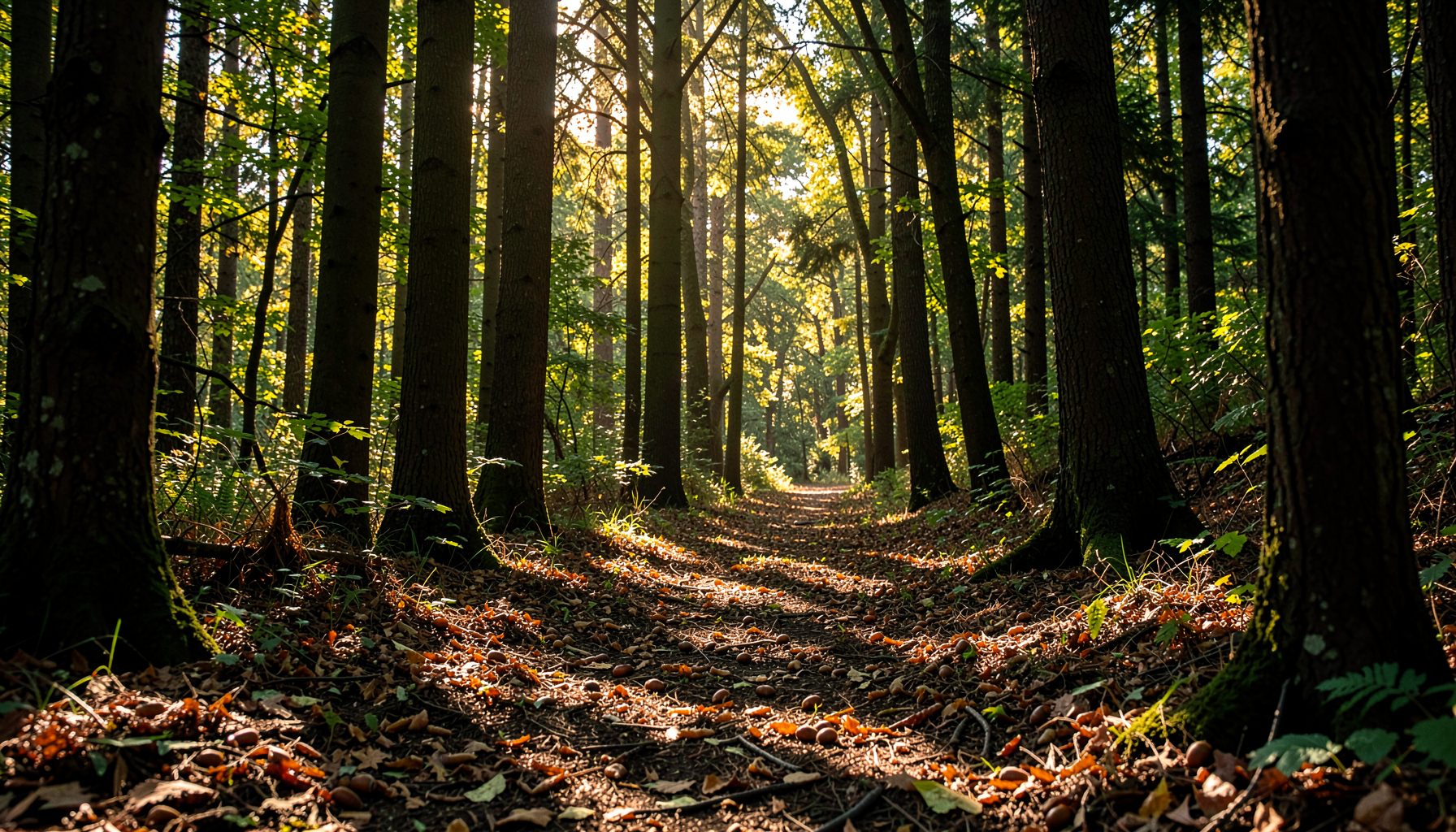
A beginner’s guide to hosting a seed collection event
A seed collection event turns a walk through a park, schoolyard, neighborhood, or woodland edge into practical conservation work. By gathering mature seeds from suitable native trees and shrubs, volunteers can help supply nurseries with the plant material needed for future streamside forests.
The activity is accessible to beginners because it does not require specialized equipment or advanced botanical knowledge. A well-organized event depends more on careful planning, clear instructions, safe collection practices, and a reliable way to prepare the harvest for delivery.
In the Potomac River watershed, these efforts support reforestation, wildlife habitat, erosion control, and cleaner water. The strongest events also give participants a direct connection to forest ecology: every acorn, walnut, or native shrub seed represents the beginning of a much larger restoration process.
Choose the right site and season
Start by selecting a location where native seed-producing trees are abundant and collection is permitted. Public parks, school grounds, private properties, community gardens, and conservation areas may all be suitable, but each has its own rules. Contact the landowner or managing agency before announcing the event, and ask whether collecting from the ground is allowed.
Look for healthy mature trees rather than isolated ornamentals or plants growing beside heavily traveled roads. Native oaks, hickories, walnuts, river birches, sycamores, and beneficial shrubs can provide valuable seed, depending on the goals of the receiving nursery. Avoid areas that may have been treated with herbicides or pesticides, and never collect from protected sites without written permission.
Fall is the main season for many hardwood seeds, although the ideal timing varies by species and weather. Acorns may drop over several weeks, while walnuts and other nuts can mature at different points. Visit the site beforehand to check whether seeds are developing, beginning to fall, or already damaged by insects, mold, animals, or prolonged wet conditions.
Set clear goals before inviting volunteers
A successful gathering has a simple purpose that participants can understand in a few sentences. Explain that the group is collecting viable seeds from native plants so they can be grown into seedlings for forest and watershed restoration. Share the target species, collection dates, meeting location, expected duration, and approximate level of physical activity.
Decide how many people the site can accommodate safely. A small schoolyard may work well for a family event, while a large park or nature preserve can support several collection teams. Assign one coordinator to manage the schedule and communication, then designate people to lead orientation, verify species, record data, supervise children, and handle packed seed.
Registration is useful even for informal events. Ask about accessibility needs, allergies, transportation, and whether participants are minors. Children can take part in searching, counting, and sorting when an adult remains responsible for their group. Workplaces, classrooms, scout groups, and neighborhood associations can also divide responsibilities among team leaders.
For volunteer recruitment, share the event through community newsletters, school networks, local environmental organizations, and the volunteer information page. Include practical details rather than relying on a general invitation. People are more likely to attend when they know what to wear, what to bring, where to park, and how long the activity will last.
Prepare supplies and a simple field system
Most seed collection events need only basic materials. Bring paper bags or breathable collection sacks, buckets, gloves, clipboards, pencils, permanent markers, labels, water, first-aid supplies, and hand sanitizer. Avoid sealed plastic bags for fresh seed because trapped moisture can encourage mold and spoilage.
Prepare labels before volunteers arrive. Each label should include the date, location, collector or team name, and plant species if known. If a species is uncertain, record the tree number or a descriptive location rather than guessing. Accurate records help nurseries evaluate the harvest and allow organizers to improve future collections.
A field guide, printed identification sheets, or a phone with reliable reference material can support beginners. Teach volunteers to study several features together, such as leaf shape, bark, fruit, twig arrangement, and the location where the tree is growing. Seed identification should never be based on a single visual clue when look-alike species are present.
Bring a few examples of acceptable and unacceptable seeds for the orientation. A sound seed is generally mature, firm, and free from extensive cracking, rot, or insect damage. Participants should understand that quantity matters less than quality. A small bag of healthy native seed is more useful than a large bag mixed with debris or questionable material.
Teach ethical collection and field safety
Begin with a short briefing before anyone spreads out. Demonstrate how to collect mature seed from the ground, how to handle low branches without damaging them, and how to leave enough food for birds, mammals, and natural forest regeneration. Volunteers should never climb trees, break branches, or remove large quantities from a single plant.
Collection from the ground is usually the safest approach. Ask participants to avoid steep slopes, streambanks, unstable logs, road edges, poison ivy, thorny vegetation, and areas with heavy animal activity. Closed-toe shoes, long pants, gloves, weather-appropriate clothing, and insect protection are sensible requirements.
A first-aid leader should know the location of the nearest road access and have a charged phone. Review boundaries, check-in procedures, restroom access, drinking water, and what to do if someone becomes separated from the group. In warm weather, schedule breaks and watch for heat stress. In wet or icy conditions, shorten routes and avoid slippery terrain.
Collecting responsibly also means protecting the site itself. Volunteers should stay on established paths where possible, avoid trampling seedlings and groundcover, and carry out all packaging and litter. Do not gather seeds from nonnative invasive plants unless the activity has a separate, authorized removal purpose.
Sort, label, and handle the harvest
When teams return, create a central processing station under shade or inside a well-ventilated building. Spread seeds on clean trays, cardboard, or paper so volunteers can remove leaves, stems, stones, empty shells, and visibly damaged material. Keep each species and collection location separate throughout the process.
Sorting is an excellent educational part of the event. Explain why a heavy, intact acorn is generally preferable to one that feels hollow, and show how insect holes, mold, shriveling, and unpleasant odors can signal poor viability. Do not wash or soak seeds unless the receiving nursery has specifically provided those instructions.
Use breathable packaging and write information directly on every bag. A useful collection record includes species, date, site, approximate quantity, and any observations about the trees or conditions. If seed was collected from several trees, note that as well. Genetic diversity is supported when material comes from many healthy individuals rather than one heavily harvested tree.
The next step is prompt transfer to the organization or nursery receiving the seed. Do not leave fresh seed in a hot vehicle or closed container for long periods. Follow the receiving program’s instructions for drop-off, temporary storage, refrigeration, or transport. Some seeds can be held briefly in cool conditions, while others need special treatment to remain viable.
| Task | What beginners should do | Common mistake to avoid |
|---|---|---|
| Site preparation | Confirm permission and identify native seed sources | Collecting before checking land-use rules |
| Species identification | Use multiple plant features and ask a trained leader | Guessing from the seed alone |
| Field collection | Gather mature seed from the ground and leave plenty behind | Breaking branches or climbing trees |
| Sorting | Remove moldy, cracked, empty, or unidentified material | Mixing species or collection sites |
| Packaging | Use labeled paper bags or other breathable containers | Sealing damp seed in plastic |
| Handover | Follow nursery instructions and deliver promptly | Storing seed without guidance |
Build learning into the gathering
A seed event can teach forest ecology without becoming a formal lecture. Before collecting, explain how native trees stabilize soil, filter runoff, shade streams, store carbon, and provide food and shelter. Relating each seed to these watershed functions helps volunteers see why a short outing has long-term value.
Create small activities for different ages and abilities. Younger participants can match leaves to trees, count seeds, or look for signs of healthy and damaged material. Older students can map collection areas, compare species, record weather conditions, or calculate how many bags were gathered. Adults may enjoy learning how streamside forests reduce erosion and protect water quality.
Use the event to introduce the difference between restoration and simple planting. A restoration project considers the right species, local conditions, genetic diversity, soil, moisture, wildlife needs, and long-term maintenance. Seed collection is an early step in that process, connecting local forests with future nursery-grown seedlings.
Educational handouts can help participants continue learning after the event. Resources on tree identification, forest ecology, and watershed health give teachers and group leaders material for follow-up lessons. The educational resources can also help volunteers recognize native species and understand how seed collection fits into broader conservation work.
Make the event repeatable
After the final bag is labeled and transferred, record what happened while details are fresh. Note attendance, species collected, approximate quantities, site conditions, volunteer hours, safety concerns, and any questions that arose. These notes make the next event easier to plan and show partners the value of community participation.
Send volunteers a brief follow-up message with appreciation and a few meaningful results. Share where the seed went, how it may support future seedlings, and what restoration goals it contributes to. Avoid promising an exact number of trees unless the receiving nursery has confirmed expected germination and production figures.
A recurring schedule can turn a single gathering into a seasonal stewardship program. Schools might pair seed collection with lessons on native plants, while workplaces can adopt an annual service day. Neighborhood groups can revisit the same site each fall, compare species abundance, and observe how local trees respond to weather and changing conditions.
Use these practices to create a dependable event:
- Confirm permission, target species, collection dates, and nursery requirements well in advance.
- Recruit enough trained leaders to supervise teams, answer identification questions, and monitor safety.
- Provide breathable bags, clear labels, field guides, water, gloves, and a first-aid kit.
- Collect modestly from many healthy native trees instead of heavily harvesting a few individuals.
- Sort and transfer the seed promptly, then document results for future restoration planning.
A carefully hosted collection day gives people a practical role in the future of the Potomac watershed. With sound planning, volunteers can gather healthy native seed, learn how forests protect waterways, and support the nurseries that grow tomorrow’s streamside trees. Organize a site visit, bring together a local group, and turn the next season of falling seeds into lasting habitat.