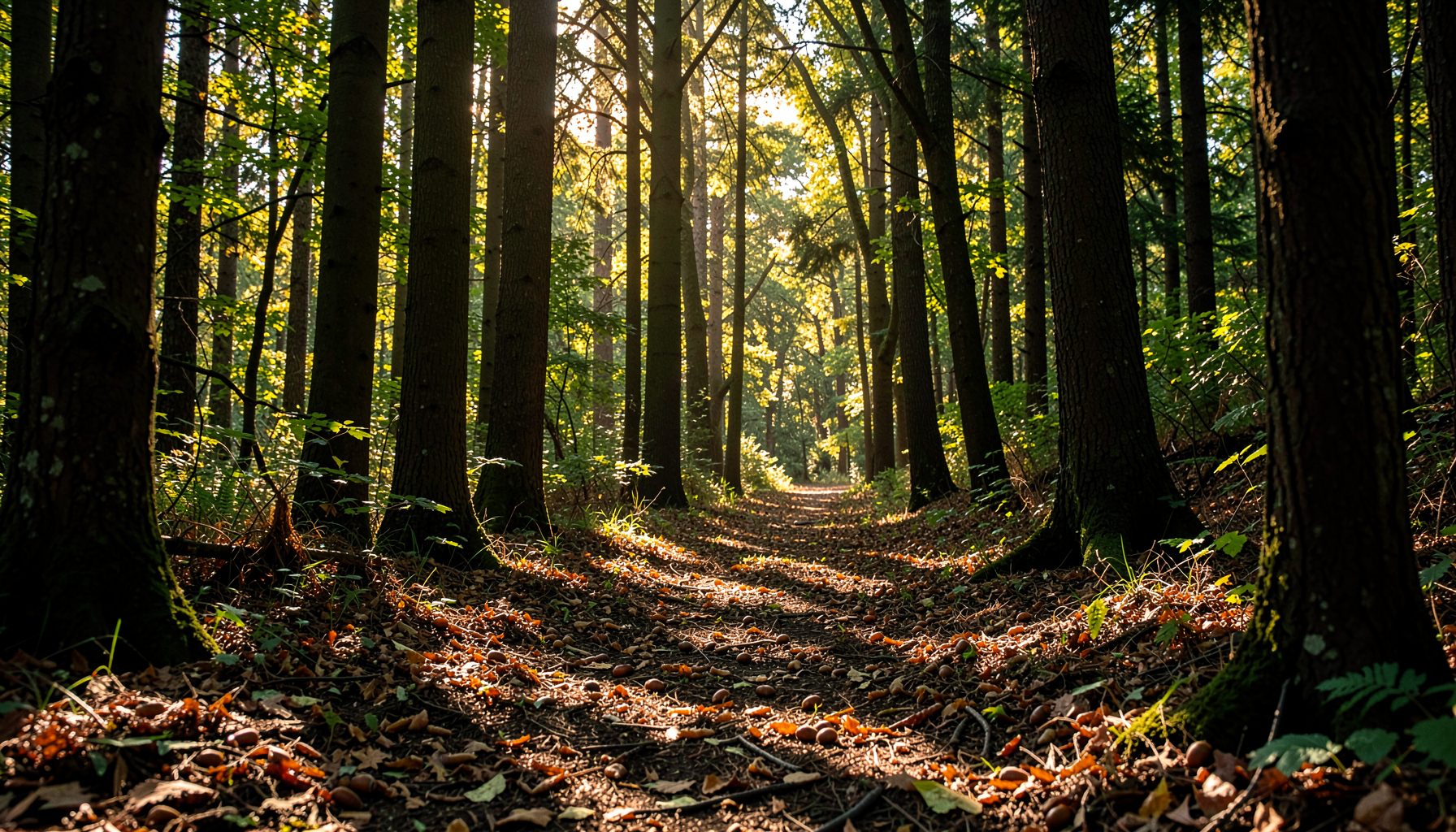
Training volunteers to handle nuts safely during seed collection
Across Australia, thousands of dedicated volunteers spend their weekends crouched beneath oak trees and along creek lines, gathering acorns, walnuts, and pecans that will eventually become seedlings for streamside planting. Programs inspired by initiatives like Growing Native recognise that community seed collection is both rewarding and physically demanding, especially when participants are new to the bush. A small grazed knuckle, a sore back, or an unexpected allergic reaction can quickly dampen enthusiasm if safety is left to chance.
Coordinators in cities from Perth to Brisbane and in regional hubs like Orange and Albury are increasingly turning to structured volunteer training because the work crosses several risk categories at once. General safety duties and induction expectations in Australia flow from the Work Health and Safety Act 2011 and the guidance published by Safe Work Australia, even though most volunteers are not classed as workers. Understanding how those rules apply to a Landcare-style planting day is the first step toward building a program that protects everyone, from primary-school children through to grey-haired retirees.
Recognising the hazards of nut collection in Australian bushland
The risks in a seed-collecting session fall into three overlapping groups: environmental, physical, and biological. Environmental hazards include uneven ground, fallen branches, sudden rain, and the harsh Australian sun, which can cause heat stress within minutes if participants are not acclimatised. Physical hazards range from repetitive bending and heavy lifting of hessian sacks through to slips on damp leaf litter beside a creek. Biological hazards encompass everything from tick bites and itchy caterpillars to nut allergies and, in some regions, encounters with snakes or redback spiders hiding beneath log piles.
Australia's native hardwood forests and the cooler temperate woodlands around Melbourne and the Southern Highlands add their own complications. Many of the species volunteers are taught to identify carry nuts or fruits inside hard, spiky casings, and breaking them open carelessly can send sharp fragments flying. Walnuts in particular bruise easily, releasing a dark stain that can irritate skin and permanently mark clothing, so a few minutes spent on technique saves hours of cleanup later.
A short, honest conversation about these hazards before anyone sets foot on site does more to prevent injury than any piece of paperwork. Volunteers who understand why gloves matter, why closed footwear is non-negotiable, and why they should never shove handfuls of nuts into jacket pockets tend to behave more cautiously for the rest of the day.
Preparing participants before they reach the seed site
Solid preparation begins well before the bus rolls up to a plantation or riverside reserve. A pre-event email should outline dress code, food and water expectations, first-aid arrangements, and the meeting point, while also inviting people to flag any allergies or medical conditions on the sign-up form. In Australia, that aligns naturally with the volunteer induction guidance issued by Safe Work Australia, which encourages host organisations to share information in plain language that volunteers can act on rather than simply sign and file.
Volunteers should be told to wear sturdy closed-toe shoes, long trousers, a wide-brimmed hat, and sunscreen rated at least SPF 50, and to bring at least two litres of water per person even on a mild day in Adelaide or Hobart. Organisers can supply high-visibility vests, cut-resistant gloves, tick-removal kits, and clearly labelled collection buckets so nobody is improvising with plastic shopping bags. Those running group bookings for school-age children will find practical guidance on coordinating an educational excursion in the school field trip for seed collection resource published by the program.
On the morning itself, a short toolbox talk under the shade of a gum or casuarina tree covers the route, the meeting points, the buddy system, and the location of the nearest toilet and tap. Capturing this briefing in a simple attendance register gives coordinators a record they can refer back to if anything does go wrong, and it reassures volunteers that their wellbeing is taken seriously.
Demonstrating safe handling techniques on arrival
Once the group has gathered, a five-minute demonstration is worth an hour of verbal instruction. Trainers should physically pick up a few nuts using the recommended grip, show how to shake off loose dirt and debris, and explain why bags should never be overfilled. A practical example of incorrect technique, such as cracking a walnut between two bare hands or sweeping acorns into an open palm near sharp twigs, helps volunteers recognise what to avoid when they fan out across the site.
For Australian-grown pecans, which have softer shells than walnuts but still bruise, the demonstration can include opening a sample to show how easily the kernel marks, reinforcing the case for gentle handling and clean gloves. Participants learn to kneel rather than bend from the waist when picking low-hanging fruit, and to pass full buckets hand-to-hand rather than tossing them across uneven ground. Children and older volunteers can use long-handled nut gatherers and lightweight picking poles, removing the need for risky stretches altogether.
Coordinators should also demonstrate basic hygiene steps, such as washing hands before eating, wiping phones and camera gear after contact with husks, and keeping collection bags well away from drinking bottles. Allergic reactions to nuts remain rare but serious, so anyone with a known sensitivity should carry their own medication and wear a clearly visible label. Supervisors of junior groups should keep a written headcount and check in with each pair every fifteen minutes.
Supervising collection, breaks and clean-up
Active supervision turns a good demonstration into lasting behaviour change. Walking the site in rotating sweeps, pausing at the same spots where risks are highest, and stepping in with a quiet correction is far more effective than calling instructions from a central point. For larger groups the traditional Australian buddy system pairs inexperienced volunteers with experienced Landcarers, creating an informal mentoring network that pays dividends well beyond a single session.
In warmer parts of the country, including inland NSW and much of Queensland, breaks need to be planned rather than reactive. Shaded rest stops every forty-five minutes, electrolyte replacement, and a hard stop before the mercury climbs past thirty-two degrees keep volunteers functional and reduce the risk of fainting in the bush. In cooler southern regions, breaks can be shorter but should still include time to stretch, refill water bottles, and inspect gloves for splinters or thorns that may have worked their way through.
The clean-up phase deserves the same attention as collection. Wet seed sacks become surprisingly heavy, so two-person lifts, wheelbarrows, and a clear path back to the vehicle prevent the back strains that account for a sizeable share of volunteer injuries each year. Washing tools, drying bags, and disposing of rotting husks well away from waterways keeps the site tidy for the next visit, and protects the streams that eventually deliver clean drinking water to households downstream.
Practical recommendations for program leaders
Building a confident, safety-aware cohort takes a little design work at the start of each season. Coordinators who invest in the habits below tend to see fewer incidents and higher return rates, and their groups are usually the ones newer volunteers ask to join again.
- Schedule weekend sessions outside the hottest months where possible, and always provide shaded rest areas with seating and cool drinking water.
- Maintain a written risk register that lists site-specific hazards such as beehives, fire-ant nests, swampy ground, and known snake activity.
- Rotate experienced volunteers into leadership roles so they model correct posture, glove use, and lifting techniques for newer members.
- Keep first-aid kits stocked with snake-bandage compression wraps, saline eye wash, antihistamines, and instant cold packs suitable for bush conditions.
- Record near-misses in a simple log and review them at the next planning meeting, turning small scares into system improvements.
- Offer a short annual refresher that recaps manual handling, allergic reactions, and the basics of working safely around creeks and flood-prone land.
- Recognise volunteers publicly for safe behaviour, reinforcing that looking after each other is just as valued as collecting a full bucket of seed.
When these recommendations are written into a one-page induction sheet and reviewed at the start of each season, they become muscle memory rather than extra paperwork. Volunteer-run networks across NSW, Victoria, and Western Australia have shown that modest, consistent investments in safety training dramatically reduce the number of reported injuries over a five-year period.
If you help coordinate a group in your region and would like to discuss seed-collection days, training resources, or how to link your site to a local Landcare network, send a note through the Growing Native contact page. Volunteer trainers across Australia are quietly sharing what works, and that knowledge grows fastest when more people join the conversation.