Forested streams and the path to clean drinking water
Clean drinking water often begins far from a treatment plant. It starts in the upland woods, wet meadows, streamside corridors, and small tributaries that gather rainfall before it reaches a river or reservoir. In the Potomac River watershed, the condition of these natural systems influences the quality, cost, and reliability of water supplies for millions of people.
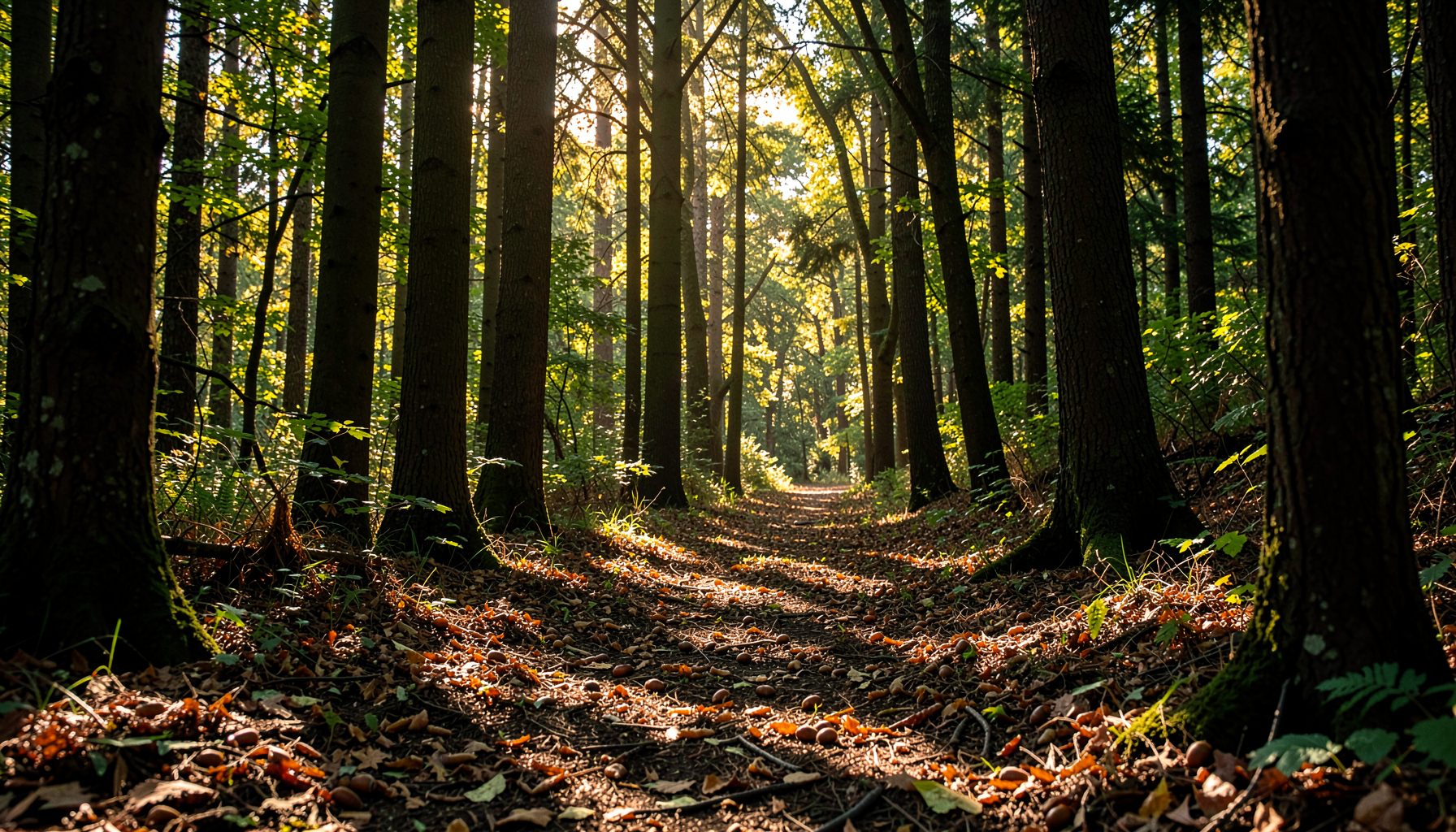
A healthy forest beside a stream acts as living infrastructure. Tree canopies soften rainfall, roots hold soil in place, fallen leaves feed aquatic organisms, and porous ground allows water to soak into the soil. Together, these processes reduce pollution before it travels downstream.
Protecting forested waterways therefore connects everyday conservation with public health. Seed collection, streambank restoration, native plantings, and careful land management can all help keep sediment, nutrients, and harmful contaminants out of drinking-water sources.
How forest cover filters a watershed
Rain does not move across a forest in the same way it moves across pavement or compacted ground. Leaves and branches intercept precipitation, slowing its fall. The forest floor, rich with organic matter, absorbs water and releases it gradually through the soil. This reduces sudden runoff and gives natural filtration processes more time to work.
As water moves through layers of leaf litter, roots, fungi, and soil particles, some pollutants are trapped or transformed. Soil can hold sediment and bind certain nutrients, while microorganisms break down organic matter. Groundwater recharge also becomes more consistent because less rain rushes directly into a channel during a storm.
This function matters for reservoirs and municipal drinking-water systems. Clearer source water generally requires less intensive treatment to remove suspended particles and excess nutrients. Forest protection can therefore complement engineered systems by reducing the amount of pollution that reaches them in the first place.
Roots stabilize banks and slow pollution
Streamside trees and shrubs create a buffer between developed land and flowing water. Their roots reinforce streambanks, helping prevent soil from collapsing into the channel. Fine roots close to the surface capture loose particles, while deeper roots improve soil structure and create pathways for infiltration.
When banks remain stable, streams carry less sediment after heavy rain. Excess sediment can cloud water, bury aquatic habitat, transport attached pollutants, and fill reservoirs over time. A shaded, stable channel also tends to maintain cooler temperatures, which support fish, insects, and other organisms that contribute to a functioning stream ecosystem.
Vegetated buffers can capture nutrients from lawns, farms, roadsides, and failing drainage areas. Nitrogen and phosphorus are useful in appropriate amounts, yet excess concentrations can fuel algae growth and lower oxygen levels. By intercepting runoff before it reaches a creek, native vegetation helps protect both aquatic life and downstream water treatment.
Seasonal cycles support living streams
A forested stream is sustained by more than the trees standing beside it. Seasonal materials, especially leaves, enter the water and become an important source of energy. Aquatic insects and microorganisms break down this organic matter, and those organisms support fish, amphibians, and birds throughout the food web.
Leaf litter also influences the physical condition of the stream. It can slow water in shallow areas, provide shelter for small creatures, and contribute carbon to the soil. The role of this material is explained in fallen leaves, which are sometimes removed from yards and stream margins even though they support watershed health.
The timing of water movement matters as well. Forest soils store moisture during wet periods and release it during drier conditions, helping maintain base flow. This moderation can reduce the severity of flash flooding while protecting aquatic habitats during periods when streams might otherwise become dangerously warm or shallow.
| Forested stream function | Benefit to water quality | Result downstream |
|---|---|---|
| Canopy and leaf litter intercept rainfall | Slower runoff and less soil erosion | Lower sediment loads |
| Deep and fine root systems | More stable banks and greater infiltration | Fewer suspended particles |
| Soil microbes and organic matter | Nutrient processing and pollutant retention | Reduced treatment pressure |
| Shade over the channel | Cooler water and healthier aquatic habitat | Stronger stream ecology |
| Groundwater recharge | More consistent streamflow | Greater resilience during dry periods |
What happens when streamside forests disappear
Removing trees beside a stream exposes soil to intense rainfall and increases the speed at which water reaches the channel. Roads, roofs, parking areas, and compacted lawns compound the problem by preventing infiltration. Stormwater then carries sediment, fertilizer, pet waste, oil, metals, and other contaminants into nearby waterways.
Without shade, stream temperatures rise. Warmer water holds less dissolved oxygen and can stress sensitive species. Altered flows may scour the channel during storms and leave it unnaturally shallow between rain events. These changes can cause a stream to lose its ability to process nutrients and support a diverse biological community.
The impact extends well beyond the damaged reach. Pollution moves through tributaries into larger rivers, reservoirs, and intakes used for public water. A small eroding bank may seem insignificant by itself, but many degraded stream segments can create substantial regional costs through reservoir sedimentation, algae control, and more complicated drinking-water treatment.
Restoration begins with local seeds
Reforestation works best when it uses native species suited to local soils, climate, wildlife, and hydrology. Oaks, walnuts, hickories, maples, sycamores, and native shrubs can form a layered streamside community that provides shade, root support, and food. Local seed collection preserves genetic adaptation and connects restoration to the forests already growing in the watershed.
This is where community participation becomes valuable. Volunteers can collect acorns, walnuts, and other native hardwood or shrub seeds during the appropriate seasons. State nurseries can then grow those seeds into seedlings for planting along streams, on public lands, and in other priority restoration areas.
Growing Native connects seed collection with practical watershed recovery across the Potomac region. Its volunteer opportunities are suitable for individuals, families, schools, community organizations, and workplaces that want to contribute to healthier forests and waterways.
Seed gathering also creates an educational pathway. Participants learn to identify native trees, recognize seasonal cycles, and understand how a single seed may eventually become part of a streamside buffer. That knowledge strengthens long-term stewardship because people are more likely to protect systems they can observe and understand.
Practical ways to protect water at its source
Source-water protection does not depend on one large project. Repeated local actions can improve infiltration, reduce erosion, and expand the network of native vegetation that supports streams. Communities can focus on sites where runoff is concentrated or where missing forest cover leaves waterways especially exposed.
Useful actions include:
- Plant native trees and shrubs along streambanks, drainage channels, and wet areas.
- Leave natural leaf litter in appropriate wooded and streamside locations.
- Keep soil covered with vegetation or mulch instead of leaving it bare.
- Collect native seeds responsibly for restoration and nursery propagation.
- Reduce fertilizer use and keep pollutants away from storm drains and creeks.
Landowners should allow newly planted buffers time to establish. Young trees may need protection from deer, invasive plants, mowing, and competing vines. A restoration site becomes more effective as roots deepen, canopy cover expands, and the soil develops a richer organic layer.
Schools and community groups can add monitoring to planting projects by recording tree survival, observing erosion, and noting changes in stream clarity after storms. These observations make watershed stewardship visible and help identify where additional care is needed.
Healthy forests make water security stronger
Forested streams provide a form of protection that is distributed across the landscape. Each wooded tributary, stable bank, and restored buffer contributes to the condition of water farther downstream. The combined effect can make watersheds more resilient to intense storms, drought, development pressure, and changing climate patterns.
This resilience is especially important because drinking-water quality depends on prevention as much as treatment. Treatment plants remain essential, yet they work within limits and require energy, equipment, and skilled operators. Keeping pollutants out of source water reduces pressure on those systems and helps safeguard public resources.
The benefits also reach beyond drinking water. Streamside forests support pollinators, birds, fish, and wildlife; reduce flood damage; create shade and recreation opportunities; and strengthen connections between residents and the places that sustain them. Conservation becomes a shared investment in ecological health and community well-being.
A handful of collected acorns may seem small beside the scale of a river basin. In time, however, those seeds can become trees that hold soil, shade a creek, filter runoff, and help provide cleaner water for future generations. Take part in native seed collection, learn the trees in your local watershed, and help grow the forested stream corridors that keep the Potomac River system healthy.