Preparing Students for a Hands-On Seed Collection Field Trip
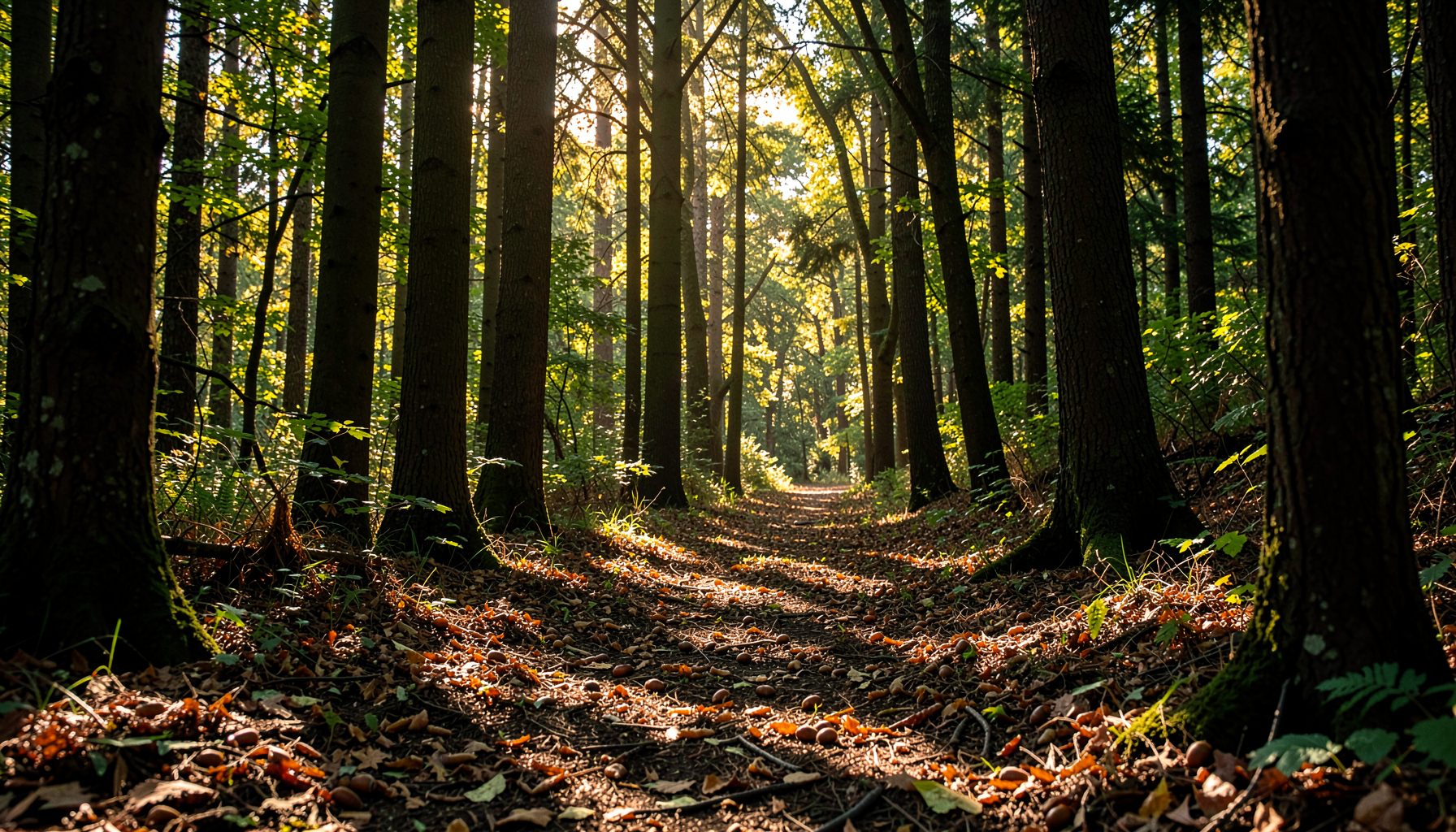
A school seed collection field trip can turn a familiar wooded area into a living classroom. Students learn how to identify native trees, observe seasonal changes, handle natural materials responsibly, and connect individual seeds with cleaner streams and healthier forests. With thoughtful preparation, the activity becomes more than a walk outdoors: it becomes a practical lesson in ecology, stewardship, and community science.
Growing Native supports this kind of learning across the Potomac River watershed. Volunteers collect native hardwood and shrub seeds, including acorns and walnuts, which are donated to state nurseries and raised into seedlings for streamside restoration. A class visit can help students see how a small action in a local forest contributes to long-term watershed health.
The strongest trips combine clear expectations, age-appropriate instruction, careful supervision, and time for reflection. Teachers do not need to turn students into expert botanists before leaving school. They need to provide enough knowledge and structure for children to make safe observations and collect the right materials without damaging the habitat.
Set A Clear Purpose Before Leaving School
Begin with a simple explanation of why seeds matter. A seed contains the potential for a future tree, but it also supports wildlife and participates in the forest’s natural renewal cycle. When students gather appropriate native seeds for a restoration program, they help provide planting material for places where forests have been reduced, streamsides need protection, or erosion has damaged soil.
Connect the activity to topics students already know. A science class may focus on plant life cycles, adaptations, food webs, or soil. A social studies or civics lesson can explore public stewardship and volunteer service. Younger students might concentrate on colors, shapes, textures, and counting, while older students can discuss native species, genetic diversity, and watershed restoration.
Set realistic learning goals in advance. For example, students might be expected to identify two or three target trees, describe one reason streamside forests are valuable, collect only viable seeds from the ground, and explain what happens after donation. Clear objectives help the field trip feel purposeful without turning it into a worksheet-heavy exercise.
Plan The Route, Timing, And Materials
Visit the site beforehand whenever possible. Look for accessible paths, likely seed-producing trees, shaded rest areas, cell service, restroom availability, and places where a large group can gather without trampling vegetation. Avoid steep slopes, unstable streambanks, poison ivy patches, heavily trafficked roads, and areas with signs of recent spraying or construction.
Seed availability changes with weather and timing. Acorns and walnuts may appear in abundance for a short period, while other native tree or shrub seeds mature later. Coordinate with Growing Native or the receiving nursery before the outing so the class knows which species are currently useful and whether collection quantities or packaging rules have changed.
Prepare field materials in labeled containers rather than relying on one large shared bag. Useful supplies include paper bags, small buckets, pencils, clipboards, hand lenses, tree identification guides, gloves, water, first-aid supplies, and hand sanitizer. Paper containers allow damp seeds to breathe and make it easier to keep species separate. Avoid plastic bags for extended storage because trapped moisture can encourage mold.
Send families a practical note several days ahead. Include clothing requirements, weather expectations, lunch and water instructions, allergy information, permission procedures, accessibility details, and the possibility of mud. Students should wear closed-toe shoes, long pants, and layers suitable for changing conditions. Bright clothing or reflective accessories can make a class easier for adults to monitor.
Teach Recognition And Responsible Collection
Students should learn to identify target species using several clues rather than a single leaf or seed. Introduce bark, leaf arrangement, fruit shape, husks, caps, habitat, and the appearance of the parent tree. A short classroom demonstration with real samples is often more effective than a long lecture. Place a correct example beside a look-alike and let students compare them carefully.
Explain that collection is selective, gentle, and limited. Students should gather mature, healthy seeds from the ground when possible, rather than pulling developing fruit from branches. They should leave some seeds for squirrels, birds, insects, and natural forest regeneration. Children also need to understand that not every attractive object is suitable for donation: cracked, hollow, moldy, insect-damaged, or badly dried seeds may need to be discarded.
Demonstrate how to keep species separate and record observations. Each group can use a collection card with the date, site name, tree or shrub species, approximate location, and collector names. Students can note whether seeds were found under one large tree or scattered across an area. These details make the activity more scientific and help adults evaluate the collection later.
Assign roles that match different abilities. A student may serve as an identifier, collector, recorder, container manager, photographer, or habitat observer. Rotating roles gives more children a meaningful responsibility and supports students who are less comfortable with direct handling. Adults should verify uncertain identifications before seeds enter a labeled bag.
Organize Supervision And Field Safety
Divide the class into small teams with a named adult leader for each group. Establish a buddy system, a visible boundary, and a meeting signal before collection begins. Students should know that they must stay with their team, ask before moving beyond the marked area, and report injuries, stings, lost items, or unfamiliar plants immediately.
A brief safety talk should cover ticks, poison ivy, thorny vegetation, slippery ground, wildlife, and hand-to-mouth habits. Students should never eat collected seeds or berries, taste plants, approach wildlife, or climb trees. Adults can check for ticks after the trip and remind families to inspect clothing, shoes, hair, and skin at home.
Accessibility planning should happen before the day of the visit. A route may need to accommodate mobility devices, sensory needs, fatigue, or students who require additional communication support. Provide seating or rest points, reduce unnecessary noise, offer visual instructions, and prepare an alternative observation role for anyone unable to reach collection areas.
Have a weather decision and emergency plan in writing. Identify the nearest road access, first-aid location, emergency contacts, and evacuation point. Cancel or modify the outing for thunderstorms, dangerous heat, flooding, high winds, or other conditions that make the site unsafe. A successful field experience depends on returning everyone safely, not on meeting a collection target.
Connect Field Tasks With Learning
A collection trip becomes more memorable when students understand the journey from forest floor to restoration site. After gathering, invite them to predict what will happen to their seeds. Some may think the seeds will be planted immediately; others may imagine them being stored, sorted, or transported. Their predictions create a natural opening for lessons about nursery operations and the time required to grow strong seedlings.
| Field Trip Activity | Student Skill | Watershed Connection | Evidence Of Learning |
|---|---|---|---|
| Compare leaves, bark, and fruits | Observation and classification | Native trees support local habitat | A labeled species sketch |
| Gather mature seeds from the ground | Careful decision-making | Healthy forests renew themselves | A collection record |
| Keep species in separate containers | Organization and accuracy | Nurseries need reliable material | Correctly labeled bags |
| Map collection areas | Spatial thinking | Forests influence nearby streams | A simple site map |
| Discuss streamside planting | Systems thinking | Tree roots reduce erosion and filter runoff | A short explanation or diagram |
| Reflect on volunteer work | Civic responsibility | Community action strengthens restoration | A journal entry or group presentation |
Use the seed nursery process to extend the lesson after the outing. Students can learn how donated material is evaluated, prepared, stored, and grown into seedlings. This helps them see that restoration is a sequence of careful steps rather than a single planting event.
A post-trip activity might ask each student to create a “seed story” showing where the seed was found, what tree produced it, how it reaches a nursery, and how a future seedling could benefit a stream. Older students can calculate collection totals, compare species representation, or discuss why native plants are important to local food webs.
Handle, Label, And Prepare The Collection
Do not leave collected seeds sealed in a warm vehicle or classroom corner. Bring them indoors promptly, spread them out for inspection, and keep species separated. Remove leaves, twigs, soil clumps, damaged shells, and visibly moldy material according to the receiving program’s instructions. Adults should oversee quality control while students assist with weighing, counting, sorting, and labeling.
Use the class’s observations as part of the processing lesson. Students can compare heavy and lightweight seeds, inspect shells with hand lenses, and record the number rejected and accepted. This reinforces that scientific work includes checking evidence and making decisions, not simply gathering the largest possible quantity.
Before cleaning or packaging, consult the current handling guidance from the program. The resource on cleaning collected seeds can help teachers understand appropriate preparation steps and avoid practices that reduce seed quality. Following those directions also protects the nursery’s workflow and makes the class’s contribution more useful.
Label every container with the species, collection date, location, school or group name, and any other requested information. Never combine unidentified seeds with a known collection. If students are unsure about a species, place those materials in a separate container for adult review rather than guessing.
Prepare Students To Reflect And Act
Reflection should happen while the experience is fresh. Ask students what surprised them, which identification clue was most useful, and what they noticed about the forest floor. Encourage them to discuss why leaving some seeds behind matters and how a restored streamside forest might look different from a damaged one.
A class display can connect the trip to the wider community. Students might create a watershed map, display labeled seed samples, write thank-you notes to volunteers, or present their findings at a school assembly. Photos should focus on learning and habitat, with family permissions followed carefully.
Teachers can also reinforce stewardship through small daily choices. Students may monitor a nearby tree through the seasons, conduct a litter survey, compare shaded and open soil, or observe how rain moves across the school grounds. These follow-up activities show that conservation is an ongoing practice rather than a single special event.
Use This Preparation Checklist
- Confirm the collection site, target species, current nursery needs, route, weather plan, and emergency procedures.
- Teach students how to recognize mature native seeds and distinguish them from damaged or unsuitable material.
- Send families clear instructions about clothing, food, water, allergies, accessibility, permissions, and tick checks.
- Pack labeled paper containers, pencils, field guides, gloves, first-aid supplies, water, and hand-cleaning materials.
- Assign small-group roles, adult leaders, boundaries, and a meeting signal before students begin collecting.
- Schedule sorting, labeling, reflection, and donation preparation so the learning continues after the field trip.
A well-prepared school group can contribute meaningful work while gaining a realistic understanding of forest restoration. Students learn that healthy waterways depend on connected habitats, careful observation, and patient community effort. Their collected seeds may eventually become streamside trees whose roots hold soil, shade water, and support wildlife across the Potomac River watershed.
Teachers, families, and youth leaders can begin by choosing a suitable site, setting a learning goal, and coordinating collection details with Growing Native. With the right preparation, a few hours outdoors can grow into a lasting lesson in native plants, watershed care, and environmental stewardship.