Planning Accessible Seed Collection Events
A seed collection event can invite people into hands-on conservation while helping restore forests and waterways across the Potomac River watershed. With thoughtful preparation, volunteers with physical, sensory, cognitive, or communication disabilities can take meaningful roles collecting acorns, walnuts, and native shrub seeds.
Planning a seed collection event that accommodates disabilities begins long before volunteers arrive. Accessibility is not an extra feature added at the end; it shapes the site, schedule, tools, instructions, transportation plan, and ways people participate.
The strongest events offer multiple ways to contribute. Some volunteers may gather seeds from the ground, while others identify trees, sort materials, record observations, welcome participants, or prepare supplies. A flexible approach allows families, schools, community groups, workplaces, and individual volunteers to work together comfortably.
Set accessibility goals early
Begin by identifying what inclusion should look like at the event. Consider the range of people likely to attend, including wheelchair users, people with limited stamina, volunteers who are blind or have low vision, people with hearing loss, and participants with intellectual, developmental, or mental health disabilities. Avoid assuming that one accommodation will meet everyone’s needs.
Invite accessibility input during planning rather than waiting for volunteers to disclose needs on the day. Registration can include optional questions such as whether someone needs firm, level ground; a quiet area; large-print materials; an interpreter; a support person; or additional rest breaks. Explain why the information is requested, protect personal details, and provide a contact method for private conversations.
Set a realistic participation target based on the site and available support. A smaller event with trained leaders, accessible tools, and enough time may be more inclusive than a large gathering with uneven supervision. Coordinate with the landowner, park staff, school, or host organization to confirm what changes are allowed and who is responsible for emergency support.
Choose and inspect the collection site
A welcoming site needs more than an accessible parking space. Inspect the complete route from arrival to registration, gathering areas, collection zones, restrooms, handwashing stations, and departure points. Look for compacted or paved paths, manageable slopes, stable surfaces, wide passageways, and places where mobility devices can turn around.
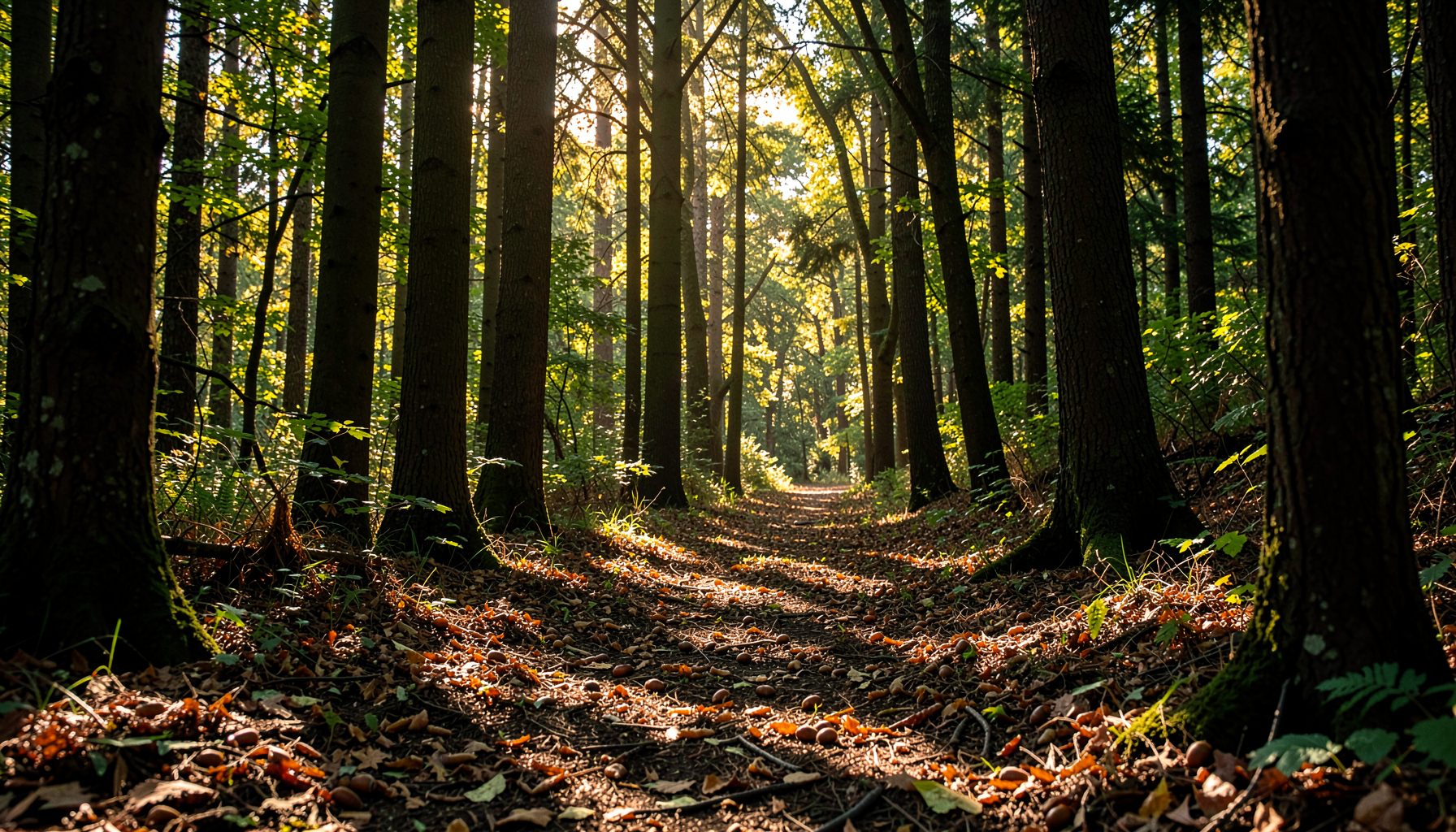
Seasonal conditions matter. Fallen leaves can conceal roots, mud can make trails impassable, and wet grass may create slipping hazards. Visit the property shortly before the event and create an alternate route if weather changes the terrain. Mark hazards clearly, but do not rely on signs alone; assign volunteers to guide participants around steep edges, exposed roots, or unstable ground.
Place collection areas close enough to reduce travel distance. A “base camp” with seating, water, shade, first-aid supplies, and sorted collection containers gives people a dependable place to pause. Accessible portable toilets should be available when permanent facilities are not nearby, and the route to them should be usable by people with mobility devices.
Communication about the site should be specific. Describe surfaces, distances, slopes, restroom access, parking, weather exposure, and expected time outdoors in advance. Photographs or a simple visual map can help participants decide what support or equipment they need.
Create flexible roles and useful tools
Seed collection includes many tasks beyond bending down to pick up nuts. Build a role menu so volunteers can choose work that matches their abilities, energy, and interests. Rotating assignments can prevent fatigue, while stable roles may benefit people who prefer predictability.
| Event role | Possible access barrier | Practical adaptation |
|---|---|---|
| Gathering seeds from the ground | Bending, uneven terrain, or long walking distances | Use raised collection zones, reachers, baskets on wheels, or seated gathering points |
| Identifying parent trees | Small print, visual complexity, or distant signs | Provide large-print and tactile materials, audio descriptions, and a guide |
| Sorting and counting seeds | Fine motor demands or crowded work areas | Use wide trays, contrasting containers, scoops, and uncluttered stations |
| Recording data | Writing, reading, or navigation barriers | Offer clipboards, tablets, voice recording, buddy support, or verbal reporting |
| Welcoming and directing volunteers | Noise, fast instructions, or social pressure | Provide scripts, quiet duties, name badges, and clear visual markers |
| Packing donations | Repetitive lifting or limited reach | Use lightweight containers, adjustable tables, and team lifting procedures |
Adapt tools rather than expecting every participant to use standard equipment. Long-handled reachers can help collect seeds without repeated bending. Lightweight buckets, shoulder bags, rolling carts, and containers with large openings reduce strain. Raised tables allow seated volunteers to sort or label collections, while nonslip mats stabilize trays.
Use color contrast and tactile distinctions on bins, signs, and tools. Large labels with plain language can support people with low vision or cognitive disabilities. An audio description of the work area, verbal announcements, and tactile markers can make orientation easier. Any modified tool should be tested before the event so staff understand its limits and can explain safe use.
Keep roles equally valued. Avoid assigning disabled volunteers only to administrative tasks unless they choose them. Tree identification, seed quality checks, data collection, education, and outreach are essential parts of conservation and should be presented as meaningful options.
Make instructions and registration accessible
Send event information in formats participants can use. An accessible digital notice should have clear headings, readable contrast, descriptive link text, and documents that work with screen readers. Offer printed large-print copies when appropriate, and provide a phone or email contact for people who need information in another format.
Instructions should be brief, concrete, and delivered in more than one way. Explain what seeds to collect, which trees are included, where to place full containers, and what materials should be left behind. Demonstrate the process slowly, then invite participants to repeat the steps or ask for clarification. Avoid giving essential directions only through a loudspeaker or only in writing.
A short orientation can include a site map, schedule, rest locations, restroom route, weather plan, and emergency procedure. Use visual symbols alongside words, but make sure symbols are clear and not the sole source of meaning. If an interpreter, captioner, or communication support professional is attending, share technical terms and the event timetable in advance.
Prepare for different sensory needs. A low-noise registration period, quiet seating area, and predictable schedule can support volunteers who become overwhelmed by crowds or sudden sounds. Let participants know whether gloves, bright clothing, or personal protective equipment are required, and allow reasonable alternatives that maintain safety.
Build safety into the schedule
An accessible event should provide enough time for people to move, understand directions, and complete tasks without pressure. Schedule frequent rest periods and avoid treating them as a sign that someone is falling behind. Work in shorter activity blocks, especially during warm weather or on sites with limited shade.
Train team leaders in respectful assistance. Ask before pushing a wheelchair, guiding a person, moving equipment, or offering physical help. Speak directly to the participant rather than only to a companion. Never move a mobility device without permission, and do not assume a support person is responsible for every accommodation.
Use a buddy system only as an option, not a requirement. A designated partner can help with navigation, carrying materials, or communication, but volunteers should retain control over their participation. Make sure leaders know how to contact emergency services, identify the nearest accessible exit, and respond to allergic reactions, falls, heat illness, and other foreseeable incidents.
Plan for weather and environmental exposure. Provide shade, drinking water, insect protection guidance, and a way to leave the site quickly. Postpone activities when storms, flooding, extreme heat, or unsafe trail conditions create unacceptable risks. Collecting near streams requires extra caution because slippery banks and changing water levels can make some areas unsuitable.
Connect collection with watershed education
Accessibility also applies to learning. Explain how native seeds become streamside seedlings, how tree roots reduce erosion, and why healthy forests support cleaner water. Educational resources can help leaders prepare activities about native species and watershed stewardship; the educational publications from Growing Native provide material that can be adapted for different ages and learning styles.
Use several ways to explore the subject. A participant might handle a labeled acorn, listen to a description of tree bark, compare seed shapes, view large photographs, or help record the number of seeds collected. These activities make the science tangible without requiring everyone to walk through the same area or read the same amount of text.
Explain that collected seeds may need careful handling and seasonal preparation before they can grow. The winter stratification guide can help organizers describe why some native seeds require a period of cold, moist conditions. This gives volunteers a clear connection between their work in autumn and future nursery production.
A story about the Potomac acorn life cycle can support an accessible group discussion. Participants can follow an acorn from parent tree to seedling and eventually to a forest that shades streams, holds soil, and provides habitat. Keep the explanation conversational and allow multiple forms of response, including speaking, pointing, drawing, or recording observations.
Prepare leaders and follow through
Accessibility works best when every leader understands the plan. Before the event, review the site map, role options, communication practices, equipment, and emergency procedures. Assign one person to handle accommodation requests and another to monitor general safety so no concern is overlooked.
Use plain language when briefing volunteers. Replace vague directions such as “gather over there” with specific instructions about landmarks, distances, and boundaries. Confirm that all leaders know which paths are accessible and where adaptive tools are stored. If a participant’s requested accommodation cannot be provided, explain that before the event and discuss a practical alternative.
After the collection, ask for feedback in more than one format. A short survey, phone call, email, or informal conversation can reveal barriers that organizers missed. Ask which roles felt comfortable, whether instructions were clear, how the site worked, and what would make another event easier. Do not request medical details that are unrelated to participation.
Record useful lessons while they are fresh. Note which tools worked, how much time people needed between activities, whether the route changed with weather, and which communication methods reached volunteers effectively. Carry those observations into the next seed collection season so access improves as part of routine conservation practice.
When organizers remove barriers thoughtfully, seed collection becomes a stronger community activity. People contribute their knowledge, labor, and enthusiasm in different ways, while the watershed benefits from a broader base of stewards.
Review each event using these practical priorities:
- Contact participants early and invite accommodation requests privately.
- Inspect every route, surface, restroom, and rest area before registration opens.
- Offer varied roles, adaptive tools, seated workstations, and flexible breaks.
- Provide instructions through clear speech, readable print, visual aids, and demonstrations.
- Train leaders to ask before assisting and to respond calmly to safety concerns.
A well-planned collection event can turn a simple walk beneath native trees into an accessible act of restoration. Organizers can begin by choosing a suitable site, preparing inclusive roles, and sharing clear event details with local volunteers. Then invite families, schools, workplaces, and community groups to collect seeds that will help grow healthier forests and cleaner waterways throughout the Potomac River watershed.