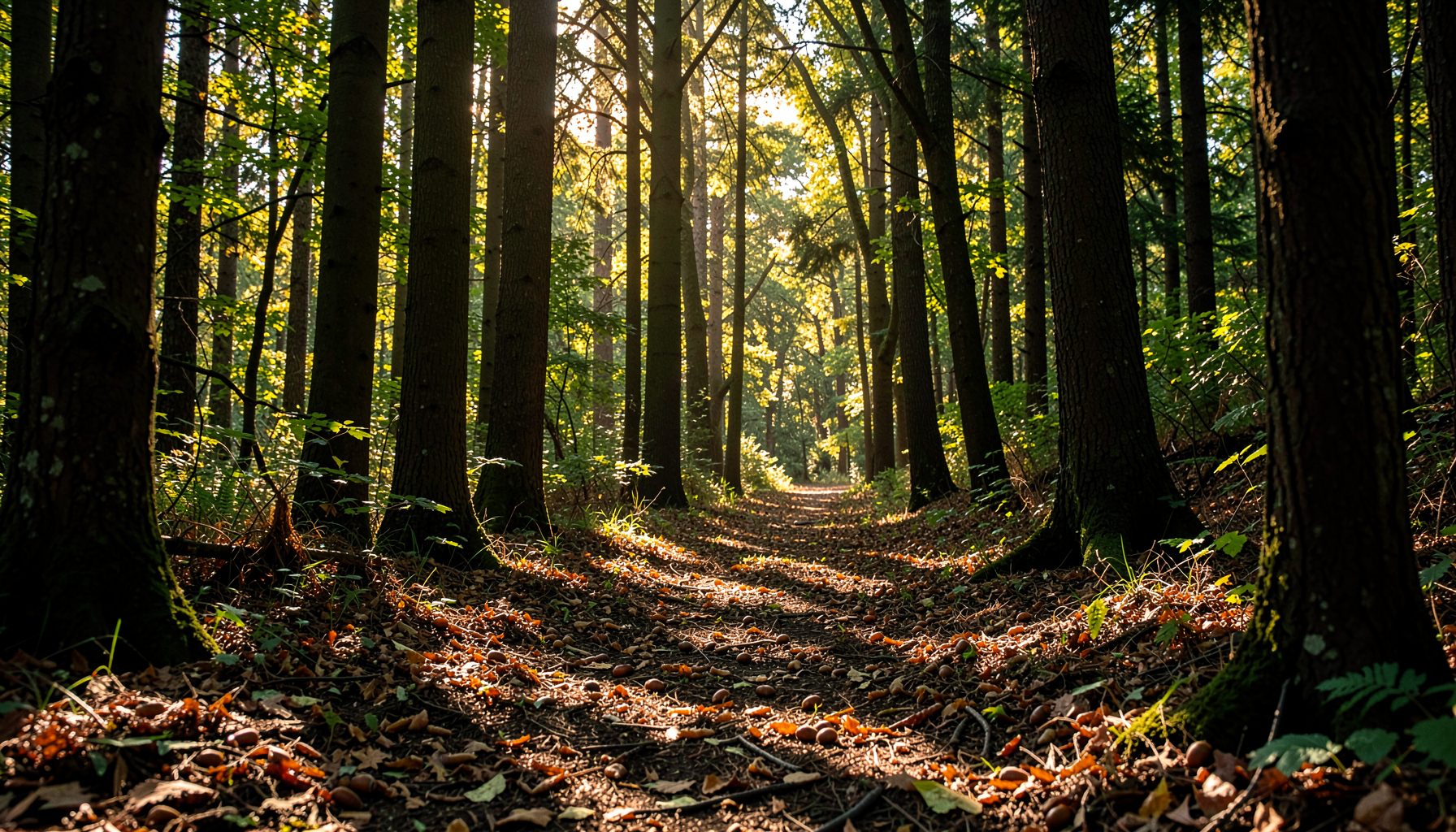
The Life Cycle Of A Potomac River Watershed Acorn
An acorn may look like a small, finished object, but it is actually the beginning of a long ecological story. From a mature oak along a Potomac tributary to a seedling planted beside a stream, each stage connects forests, wildlife, soil, and clean water.
The life cycle of a Potomac River watershed acorn depends on timing, weather, animals, and people. A healthy oak canopy produces seeds that feed wildlife, while carefully collected acorns can become future trees in forests that reduce erosion and protect waterways.
Understanding this journey helps explain why native seed collection matters. It also gives volunteers a practical way to participate in watershed restoration, whether they are working with a school group, family, workplace, or local conservation organization.
From Canopy To Forest Floor
The cycle begins in the crown of a mature oak. Oaks produce male flowers called catkins and small female flowers on the same tree. Wind carries pollen from the catkins to the female flowers, usually in spring. After successful pollination, the fertilized flowers slowly develop into acorns through the growing season.
Different oak species mature on different schedules. White oak acorns generally develop in a single growing season and often drop in early autumn. Northern red oak, black oak, and several other members of the red oak group commonly require two growing seasons. Their acorns may fall later, sometimes after the leaves have changed color or begun to drop.
When an acorn reaches the ground, the cap, or cupule, may still cling to it. Its smooth shell protects the embryo and stores carbohydrates that will fuel early growth. Color and shape vary among species, so acorn identification can help volunteers connect a seed to the oak community that produced it.
The Growing Native program uses this seasonal abundance to support native hardwood restoration. Collecting locally adapted seeds gives nurseries material suited to the climate, soils, and ecological conditions of the Potomac watershed.
Winter Tests A Seed’s Strength
An acorn on the forest floor faces immediate competition. Squirrels, deer, wild turkeys, blue jays, mice, and other animals rely on this nutritious seed. Some eat acorns immediately, while others carry them away and bury them in loose soil, leaf litter, or rotting logs. Forgotten caches can become natural planting sites.
Cold weather creates another test. An acorn must remain viable long enough to germinate, but it cannot be allowed to dry out. Moisture, temperature, and fungal activity all affect its condition. Acorns exposed to prolonged heat or severe drying may lose the ability to sprout even if they still appear intact.
The forest floor provides useful protection. Fallen leaves moderate temperature changes, retain moisture, and create contact between the seed and soil. A sound acorn often feels firm and heavy for its size. Damaged acorns may show holes, soft spots, mold, or discoloration caused by insects and decay.
For conservation collection, timing matters. Volunteers generally gather mature, healthy acorns soon after they fall, avoiding green seeds and those that have been crushed or lying in wet, contaminated places. Handling them gently preserves the embryo inside and increases the likelihood that a nursery can raise a vigorous seedling.
Spring Awakens The Embryo
When temperatures rise and moisture becomes available, the acorn begins to germinate. The first structure to emerge is usually the radicle, a small root that grows downward. It anchors the seed and begins absorbing water and minerals from the surrounding soil. A shoot then develops upward toward light.
The stored energy inside the acorn supports this first stage. Before the new leaves can make food through photosynthesis, the embryo depends on the seed’s reserves. This gives the seedling a brief advantage, but it must establish roots and foliage before those reserves run out.
A young oak may spend its first years growing slowly above ground while building a strong root system below. This strategy helps it survive dry periods and compete in a crowded forest. The seedling also depends on fungi, soil organisms, and nearby plants that influence nutrient cycling and moisture retention.
In a nursery, germination takes place under controlled conditions. Staff can monitor moisture, protect seeds from animals, and separate seedlings by species. Once the plants are large enough, they may be selected for restoration projects along streambanks, floodplains, and other areas where native tree cover is needed.
From Seed Collection To Streamside Forest
A collected acorn has a different path from one left entirely to natural forest processes. Volunteers may gather seeds under identified parent trees, keep species separate, and deliver them according to local program instructions. This work does not remove every seed from an area; it adds a carefully managed source of genetic material for future plantings.
State nurseries can clean, test, store, and germinate the collected acorns. The resulting seedlings may spend months or years developing strong root systems before they are planted in a restoration site. Their destination could be a small tributary, a wet meadow, a farm edge, or a degraded stream corridor.
| Life stage | What happens | Watershed value |
|---|---|---|
| Flower and pollination | Wind moves pollen among oak flowers in spring | Begins the production of native forest seed |
| Acorn development | The embryo and stored food mature inside the shell | Creates food for wildlife and future seedlings |
| Fall and winter | Acorns drop, are eaten, cached, or remain in leaf litter | Supports food webs and natural forest regeneration |
| Germination | A root emerges, followed by a shoot and leaves | Establishes a new tree capable of capturing carbon |
| Nursery growth | Seedlings receive protection and regular care | Increases survival for restoration plantings |
| Streamside planting | Young oaks join a riparian buffer or forest block | Stabilizes soil, shades water, and improves habitat |
| Mature canopy | The oak produces flowers, leaves, and new acorns | Restarts the cycle for another generation |
A mature riparian forest performs several jobs at once. Roots hold streambank soil in place, reducing sediment that can cloud water and cover aquatic habitat. Tree canopies provide shade that helps moderate stream temperatures. Leaf litter becomes organic matter, and woody habitat supports insects, birds, amphibians, and mammals.
Oaks also connect restoration to long-term resilience. Their deep roots and broad crowns help landscapes withstand heavy rain, summer heat, and changing seasonal patterns. One acorn cannot transform a watershed alone, but thousands of well-sited native trees can gradually rebuild ecological function.
Reading The Signs In A Living Watershed
Volunteers can observe every stage of the acorn cycle in parks, woodlots, school grounds, and stream corridors. In spring, look for oak flowers and new leaves. In late summer, inspect developing acorns without disturbing them. In autumn, note which trees produce heavily and where sound seeds collect.
Tree identification is especially useful during collection. Leaf shape, bark texture, acorn size, cap structure, and habitat clues can help distinguish white oak, swamp white oak, chestnut oak, northern red oak, and other native species. Because several oaks may grow close together, careful identification supports accurate records and appropriate nursery handling.
Collection should respect the site. Volunteers can leave plenty of acorns for wildlife and natural regeneration, avoid trampling seedlings, and follow landowner or program guidelines. Clean containers and clear labels help prevent confusion between species or collection locations.
These simple observations also reveal watershed health. A diverse forest with multiple age classes usually offers more habitat and greater stability than a stand dominated by one age or a few invasive plants. Acorn collection becomes a bridge between close attention to one seed and a broader understanding of forest ecology.
Practical Ways To Support The Next Forest
People can contribute to the acorn cycle in several useful ways. The most effective approach is consistent, careful participation rather than collecting as much as possible. A small group that identifies trees correctly and follows handling instructions can provide valuable seed for restoration.
Before going into the field, participants should learn the collection dates and accepted species for their area. They should also prepare breathable bags or containers, labels, gloves, and a way to record the location and parent tree. Plastic bags that trap moisture can encourage mold, so volunteers should use the materials recommended by the conservation program.
Useful habits include:
- Collect fresh, mature acorns from the ground rather than stripping them from branches.
- Separate seeds by species and collection site, then label them clearly.
- Reject acorns with holes, soft shells, severe mold, or signs of insect damage.
- Leave enough seeds for squirrels, birds, and natural forest regeneration.
- Keep collected acorns cool and moist, and deliver them according to program instructions.
Schools and youth groups can turn collection into a lesson about seed dispersal, food webs, native plants, and water quality. Families can pair a short autumn walk with tree identification. Workplaces and community organizations can organize a seasonal service day that links local action to a larger restoration network.
Help The Next Forest Begin
The journey from an oak flower to a mature streamside tree may take decades, yet its first visible step can fit in the palm of a hand. Each healthy acorn carries genetic material, stored energy, and the possibility of cleaner water, steadier streambanks, and richer habitat.
Find a local collection opportunity through volunteer registration, learn the seasonal guidelines, and bring others into the effort. By gathering native seeds responsibly, recording what grows in the watershed, and supporting nursery-grown seedlings, you can help turn this year’s acorn crop into tomorrow’s forest.