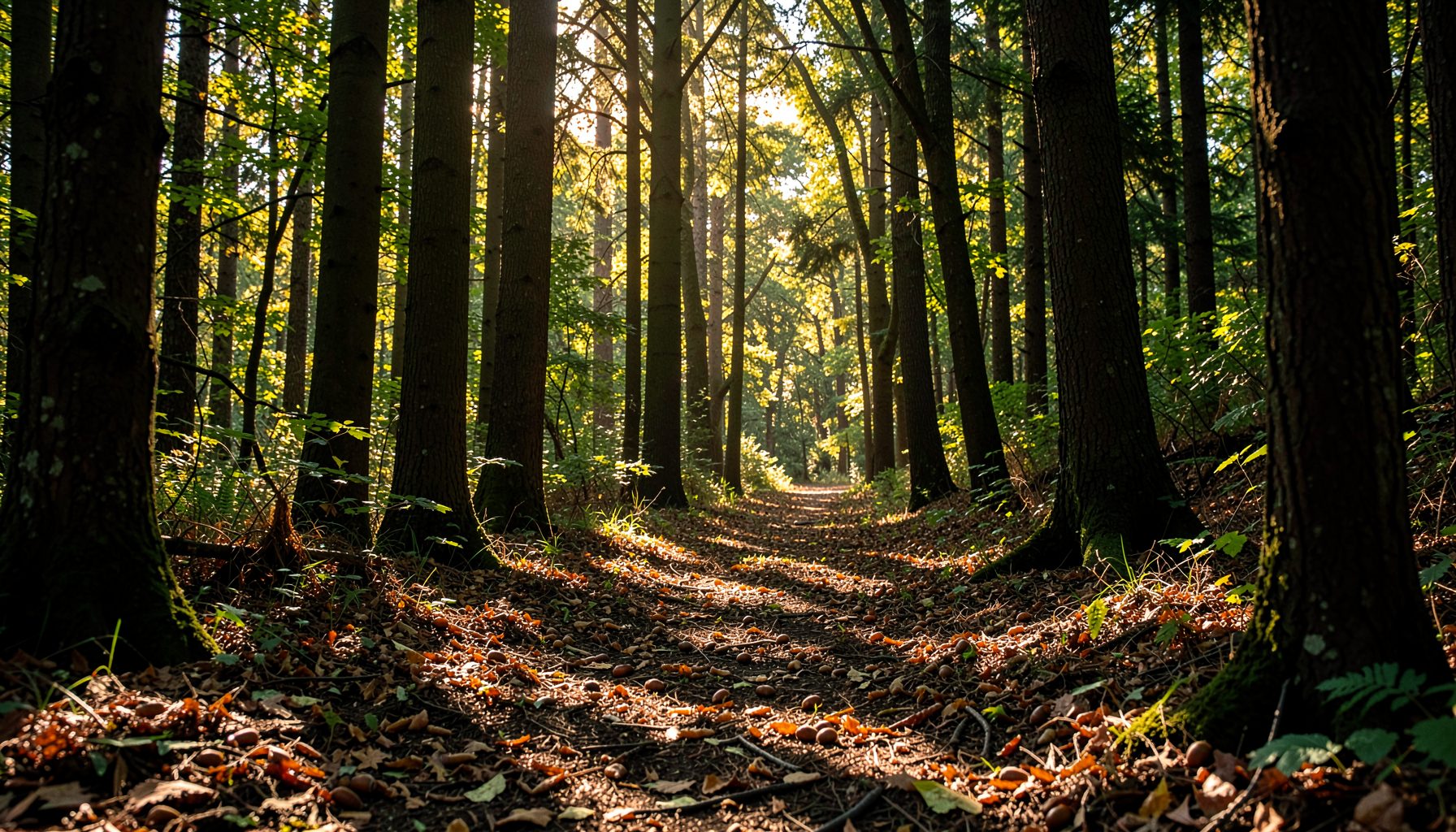
Make a family seed collecting picnic a day of discovery
Figuring out how to organize a family seed collecting picnic in the park starts with treating the outing as a shared naturalist’s workday, rather than simply a walk with a basket. Each person can have a small role: checking tree labels, gathering fallen seeds, recording locations, sorting samples, or preparing lunch. The result is a gentle blend of education, outdoor time, and practical conservation that suits children, grandparents, and mixed-age groups.
A seed collecting picnic should feel connected to a real destination for the seeds. Growing Native, a nonprofit in the Potomac River watershed, organises volunteers to collect native hardwood and shrub seeds, including acorns and walnuts. Those seeds are donated to state nurseries and grown into streamside seedlings. Australian families can adapt this cycle through nearby Landcare groups, council nurseries, and community seed banks while following local collecting laws and focusing on species suited to local conditions.
Choose the right park and check the rules
Choose a park where native trees remain and collecting is lawful. Sydney’s sandstone bushland parks, Melbourne’s urban bushland reserves, and Brisbane’s creek-side parks can all provide suitable learning settings, yet every council applies its own rules. Check the park website or contact a ranger before promising seeds. Ask which species may be collected, whether seed picking is prohibited, what quantity is allowed, and whether a permit, volunteer agreement, or insurance is required.
Select a site with several mature target trees, shade, toilets, and access to a drinking-water point, then walk the perimeter before anyone unpacks lunch. During an Australian summer, December through February can bring intense ultraviolet light, dehydration, and sudden storms, so a short morning outing is usually safer than a long afternoon picnic. Growing Native’s explanation of the value of healthy forests also illustrates why a creek-side gathering place has value beyond recreation: connected vegetation supports water quality and the wider catchment.
Choose target trees and a gentle collecting plan
Begin with two or three target trees rather than a random pile of forest finds. A local council nursery or Landcare adviser can recommend species whose seeds are needed nearby, such as suitable eucalypts, wattles, banksias, or native pittosporums in appropriate regions. Do not assume every fallen fruit should be collected. Exclude threatened plants, weed species, and trees inside fenced restoration areas, and check whether the parent tree is protected.
Look for ripe material that has fallen naturally. For larger seeds, gather from the ground beneath the canopy and take only a modest quantity. For tiny eucalypt seeds and other small fruits, an authorised collector may need to gather capsules directly into labelled paper bags. Never strip an entire branch, damage roots, or pull seeds from plants. If the ground is crowded with wildlife or the park asks visitors to leave everything in place, make the outing an observation walk instead.
Agree on limits before setting off: one small paper bag per collector, a maximum amount per species, and no collecting from other people’s patches. Some parks work with specialist seed collectors and do not welcome general collection, so permission matters as much as technique. Photographing mature trees, mapping their canopies, and recording the number of seeds on the ground can still provide useful data when taking seeds is not allowed.
Turn observation into a family activity
Make identification the heart of the day. Give each child a simple tree-identification card with spaces for leaf shape, bark, fruit, seed, and habitat, then let them compare the same features under the canopy. Adults can use hand lenses to inspect seeds and keep a running count by species. Tasks suit different ages: younger children can match seeds to pictures, while older children can sketch a tree and note whether it grows near water.
Link every observation to the life of the park. Ask families to trace the path from canopy to creek, spot eroded banks, and discuss how roots slow runoff and fallen leaves feed soil. For comparison, Growing Native’s field guide to northern red oak shows how an acorn and its cup can help identify a tree. That species is North American, so Australian participants should apply the same careful observation method to local leaves, fruit, and bark.
Pack for Australian conditions and a shared picnic
Australian picnic customs are familiar: a rug on the grass, a thermos, sandwiches, and fruit shared from containers. For supplies, many families visit a local deli or weekend farmers market before departure, choosing picnic foods that can travel. Keep chilled food in an insulated bag with an ice pack, and do not light a barbecue unless the park provides a designated fire area. Food labels should identify allergens, and every adult should carry water.
For the planning stage, bring:
- The park map, collecting permission, and a copy of local restrictions
- A charged phone, power bank, and offline map for remote reserves
- Sunscreen, a brimmed hat, insect repellent, and light long sleeves
- A small first-aid kit and any personal medication
- Drinking water and a refillable bottle for each person
For collecting and eating, pack:
- Clean paper bags, envelopes, and a clipboard for seed samples
- A blunt hand trowel for inspecting loose ground without uprooting plants
- Pencils, waterproof labels, a ruler, and a magnifying lens
- A picnic rug, washable cups, plates, cutlery, and hand sanitiser
- A rubbish bag, reusable food containers, and a tick-removal tool
Keep the two kits separate: food stays away from seeds, and used lunch wrappers never go into the forest. Before leaving the picnic area, check for ticks in clothing and skin, especially after moving through grass. In reserves where snake warnings apply, stay on paths and keep children close. If clouds build quickly, finish the seed record under shelter and leave before the storm arrives.
Collect, label, and protect each sample
Collect gently and keep the parent tree visible. Use both hands, release anything difficult to pick, and never shake a branch or climb a fence. Put each species in a separate labelled envelope with the tree’s location, date, collector’s initials, and an approximate seed count. Avoid seeds showing mould, insect tunnels, or unusual discoloration, and do not clean them with water unless the receiving nursery instructs you to do so.
Handle the seeds as living material rather than souvenirs. Follow the nursery’s storage instructions; otherwise, air-dry them in a shaded, ventilated place and keep them in paper packaging rather than airtight plastic. Keep different species apart and prevent them from mixing with bark, leaves, or soil. A simple tally sheet lets the group compare what it found without needing to bring every sample home.
Restoration works best when families can see the path from a collected seed to a shaded stream. Growing Native’s account of forests and clean water connects tree roots and soils with reduced erosion and cleaner water downstream. On a local scale, families can walk the creek after lunch, photograph any bare bank they notice, and report it to the council. Seed planting supports reforestation and erosion control, while field observations guide where restoration is most needed.
Turn one outing into ongoing stewardship
Decide where the seeds will go before the picnic ends. Some Australian councils and regional nurseries accept locally appropriate seed, although others run only scheduled collection days or prefer whole capsules rather than cleaned seed. Contact the nursery, Landcare group, or authorised program first and follow its packing, quantity, and delivery instructions. A family can become a repeat collector by taking one approved species during each authorised collection window and keeping a shared record.
Growing Native’s Potomac project demonstrates how collecting can be organised at community scale: volunteers receive clear guidance, seeds move to a nursery, and surviving seedlings are planted along waterways where they will do the most good. The Australian version might involve a neighbourhood catchments team, school garden club, or workplace group. Share photographs, species lists, and lessons with the local nursery so that good records accompany good seeds.
Make the commitment now: choose a permitted park, confirm the target species, invite the family, and arrange a collection date with the council or Landcare group. Pack the field kit, keep every sample labelled, and deliver the seeds to the approved nursery. One well-run picnic can supply useful material, teach several generations about native plants, and create a family habit of caring for the parks and waterways they enjoy.