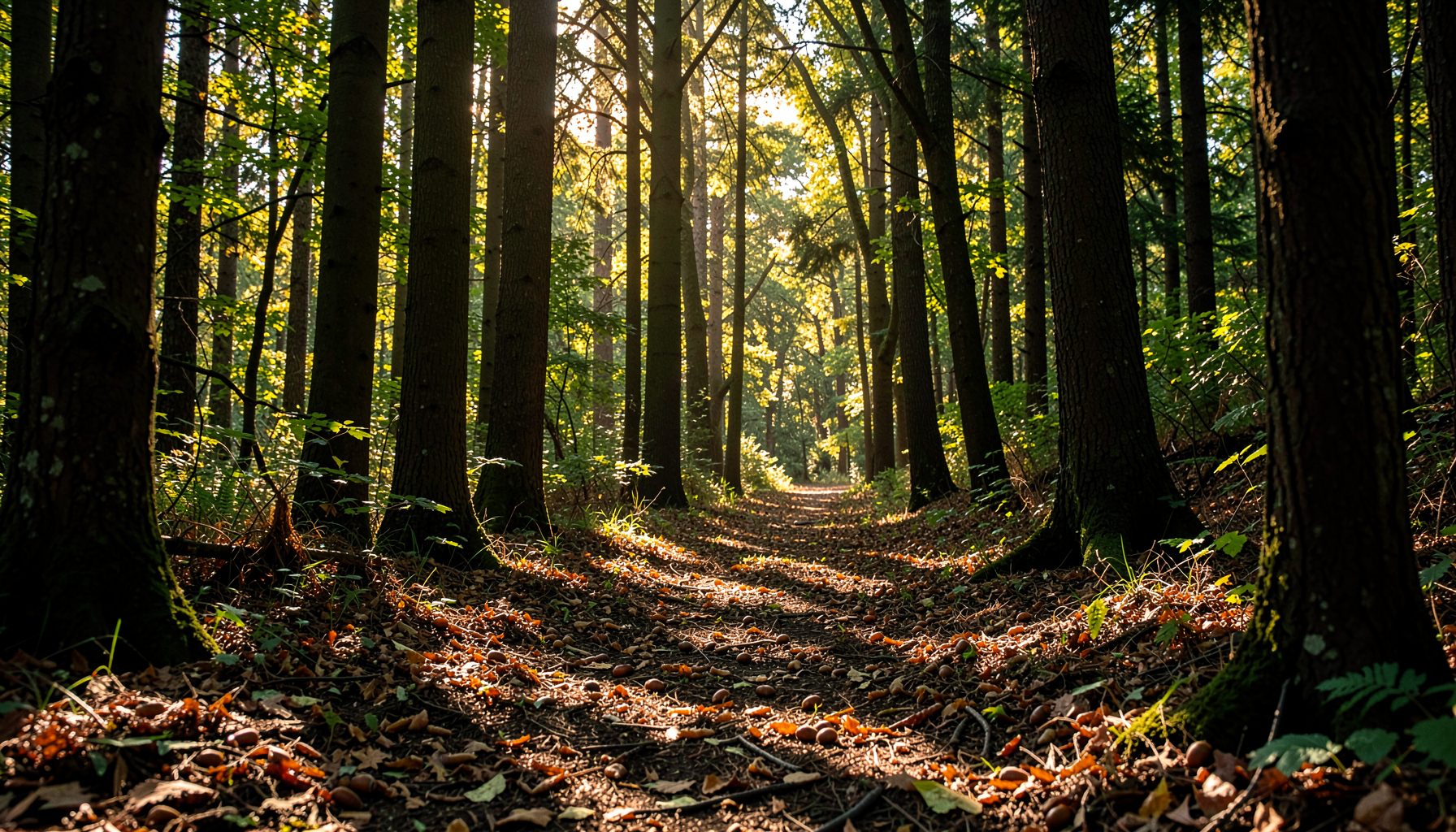
How to Organize a Family-Friendly Seed Collection Event at a Local Park
A seed collection day can turn a simple visit to the park into a practical lesson in ecology, local biodiversity and community care. Children can learn how to recognise mature fruit, families can spend time outdoors together, and collected seed can support future trees in a catchment. With thoughtful preparation, the event can be enjoyable without disturbing wildlife or damaging the plants that produce the seed.
For families in Australia, the idea needs to be adapted to local conditions. A council reserve in Brisbane, a creek corridor near Melbourne or a bushland park outside Canberra will have different species, weather risks and collection rules. The basic approach remains the same: work with the land manager, collect only approved seed, keep children safe and make sure every collection has a clear conservation purpose.
Choose A Suitable Park And Season
Start by selecting a park with a mix of mature trees, accessible paths, shade and a safe meeting area. A site beside a creek or wetland may be especially useful because native seedlings can later support streambank stabilisation and improve water quality. Avoid reserves with steep slopes, busy roads, fragile regeneration areas or known habitat for ground-nesting birds.
Contact the local council, parks authority or land manager before announcing the event. In Australia, collecting plant material from public land may require written permission, and some parks have additional rules under state conservation legislation. Ask whether the location contains threatened species, culturally significant plants, declared weeds or areas closed because of recent flooding, storms or fire.
Timing is just as important as location. Seed may mature during different months depending on rainfall, latitude and species. In many parts of Australia, hot summer conditions can make an exposed afternoon unsafe, while autumn collections may be more comfortable for families. Check the forecast, total fire ban notices and local heat warnings, then choose a morning during the school holidays or a weekend when carers can attend.
Work With The Right Native Species
Create a simple species list before the event. A local botanist, council horticultural officer, Landcare group or native plant nursery can help identify which fruits or nuts are mature and suitable for collection. The list should include common names, scientific names, identifying features, collection limits and any species that must be left untouched.
Families may recognise gum nuts, wattles, banksias, she-oaks or other local plants, but common names can vary between regions. Provide clear photographs and explain how to distinguish a mature seed from an empty capsule, insect-damaged fruit or material from an introduced plant. Never encourage children to taste seeds or fruit, since some are toxic and others may cause skin irritation.
The Growing Native programme focuses on native hardwood and shrub seed, including acorns and walnuts, for seedlings used in the Potomac River watershed. Australian organisers should not assume that those species are appropriate for local restoration. An oak or walnut growing in an Australian park may be exotic, and seed intended for a US nursery must meet the programme’s instructions and biosecurity requirements. The American beech trees resource is useful for explaining why a single tree species can have a wider role in forest food webs, shelter and habitat.
Prepare Families Before Collection Day
Send families a short information sheet several days before the event. Include the meeting point, start and finish times, clothing advice, toilet locations, accessibility information, emergency contacts and a reminder that children must remain with their supervising adult. Ask participants to wear a hat, long trousers and enclosed shoes, and to bring water, sunscreen and a small collection bag if approved.
A short briefing at the beginning can prevent most problems. Demonstrate how to handle seed gently, where to walk, which plants are off limits and how much to collect from one tree. Explain that the goal is to gather a modest quantity from many healthy plants rather than strip one heavily. Leave some fruit for birds, insects, mammals and natural regeneration.
Keep the activities varied so children of different ages stay engaged. Younger participants can match leaves to picture cards, search for fallen seed within a marked area or help record colours and textures. Older children can count samples, use a simple ruler, map collection points or record the tree’s condition. Families can also make a bark rubbing or sketch the canopy without removing any plant material.
Use plain Australian language in the briefing. “Bring a jumper” may be sensible at a cool Canberra site, while “slip, slop, slap and wrap” is a familiar reminder for sun protection. Avoid presenting bushland as a playground without risks; explain that ants, ticks, falling branches, uneven ground and sudden weather changes are all reasons to stay together.
Set Up A Safe And Organised Collection System
Divide the park into small collection zones and assign each group a leader or adult volunteer. A simple register can record the family name, zone, species, collection date and approximate amount. This information helps the receiving nursery assess the material and provides useful records for future restoration planning.
Use paper bags, breathable cloth bags or clean containers recommended by the seed partner. Avoid sealed plastic bags for damp fruit because heat and condensation can encourage mould. Keep each species and collection site separate, and label bags immediately with the common name, scientific name if known, location, date and collector.
Children should collect from the ground only unless trained adults are authorised to gather from low branches. Do not climb trees, shake branches, break twigs or use tools without approval. A family event should make safe participation easy, so establish a visible base with first-aid supplies, drinking water, hand sanitiser, spare labels and a shaded rest point.
Have a weather and emergency plan that everyone understands. In Queensland and northern New South Wales, heat and thunderstorms may develop quickly; in southern states, cold mornings can turn into bright, dry afternoons. Cancel or pause the event during extreme heat, high winds, lightning, poor air quality or fire danger. Keep a charged phone available and know the nearest vehicle access point.
Teach The Ecological Story Behind The Seeds
Collection becomes more meaningful when families understand what happens after they leave the park. Explain that seed may be cleaned, tested, stored and germinated in a nursery before seedlings are planted along waterways or in degraded forest. Healthy vegetation can shade streams, slow erosion, provide habitat and help filter sediment before it reaches a river.
Talk about genetic diversity in an accessible way. Seed gathered from several healthy parent trees can provide a broader base for restoration than material taken from one individual. At the same time, local provenance matters, so seed should be matched to the restoration region and handled according to the nursery’s requirements. A qualified partner can explain when collecting from multiple sites is helpful and when it could spread disease or mix unsuitable genetics.
Urban conditions can also affect the quality and quantity of seed. Traffic pollution, compacted soil, drought and heat can reduce tree health or alter flowering and fruiting. The research on urban air pollution provides a useful discussion point for older children: a tree may appear healthy while producing fewer viable seeds than expected. This is one reason to record collection conditions rather than judging success only by the number of bags filled.
Make the learning local by linking the park to its wider catchment. In Sydney or Melbourne, stormwater carries litter and sediment towards creeks and bays. Around Perth, sandy soils and water scarcity influence which plants can establish. In the Murray–Darling Basin, riparian vegetation has a direct relationship with bank stability and river health. These examples help children see that a seed is part of a much larger living system.
Sort, Store And Transfer The Collection
Finish the event with a careful inspection station. Remove obvious rubbish, damaged material and unapproved species, but do not wash or process seed unless the receiving nursery has provided instructions. Some seed needs to remain moist, while other types must be dried or cleaned quickly. Guessing can reduce viability, so follow the partner’s handling guide exactly.
Keep records with every bag and photograph the labels before transport. Note whether seed was collected from the ground or tree, whether it was mature, and whether the area had signs of pests, disease or heavy pollution. If the collection is for a Growing Native partner in the United States, confirm packaging, timing and import requirements well in advance. Australian biosecurity rules are strict, and material must never be sent overseas casually.
Arrange prompt delivery to the nursery, council depot or restoration group. Do not leave collected seed in a hot car or a closed shed. Once accepted, ask the partner to provide a short update that can be shared with families, such as the number of viable seeds, nursery progress or the streamside project they may support. This closes the loop and shows children that their work has a practical outcome.
If the seed is unsuitable, dispose of it according to the land manager’s advice. Do not scatter excess material in another park or creek, because it could introduce disease, weeds or plants from the wrong genetic source. Responsible collection includes knowing when not to use what has been gathered.
Build A Welcoming Community Event
A successful family day does not need expensive equipment or a large crowd. A few trained volunteers, clear signs, collection bags, field guides and a shade structure may be enough. Invite a local Landcare group, school, scout troop, workplace team or community garden to help, while keeping the activity small enough for safe supervision.
Offer roles that suit different abilities. Some people can welcome families, others can lead a species walk, manage labels, photograph the site or prepare a short talk about waterways. Provide an accessible route for prams and mobility aids where possible, and make sure participation does not depend on climbing, bending or walking long distances.
Consider adding a short litter pick-up or waterway observation activity, provided it is approved by the land manager. Families can look for signs of erosion, shade, leaf litter and wildlife without disturbing habitat. In Australia, local groups often work through Landcare networks, council environment teams and school sustainability programmes, making these useful partners for promotion and follow-up.
After the event, thank participants with a brief report. Share the species collected, the number of families involved, the destination of the seed and one practical lesson about forest or watershed health. Avoid publishing precise locations of sensitive plants or threatened species. A clear record can help secure future permission and encourage families to return for another seasonal activity.
Contact Growing Native to learn how its seed collection and education work supports forest and waterway restoration. For an Australian park event, combine that guidance with advice from the relevant council, state agency or local Landcare network, then gather carefully, label accurately and give every seed a responsible path from park to nursery.