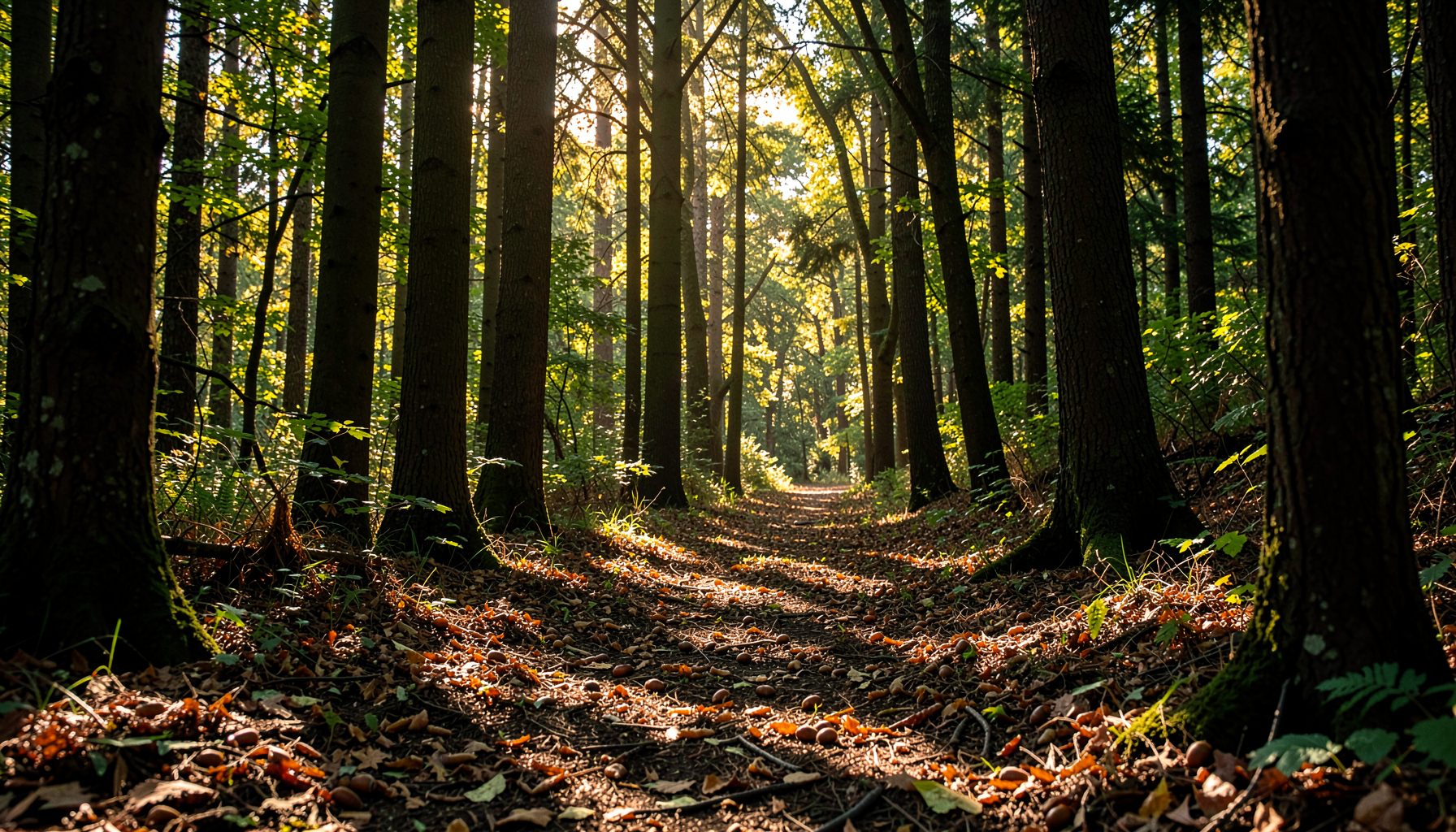
How to lead a family-friendly seed collection walk
A family seed collection walk turns an ordinary afternoon outdoors into a hands-on lesson in forest ecology. Children can learn how to recognize native trees, observe seasonal changes, and understand how a single acorn or walnut may eventually become part of a healthy streamside forest.
With a little preparation, the activity can be enjoyable for different ages and abilities. The goal is not to gather the largest possible quantity of seed. It is to collect responsibly, protect the places where trees grow, and help supply native seedlings for restoration across the Potomac River watershed.
Growing Native connects volunteers with state nurseries that raise collected hardwood and shrub seeds into trees for waterways and forests. A well-led outing can therefore link family time, outdoor education, cleaner water, erosion control, and long-term stewardship in one practical experience.
Choose a suitable collection site
Begin by selecting a location where native trees are established, seed production is likely, and your group can move safely. Public parks, school grounds, community forests, and private properties may all be appropriate, but permission should be confirmed before anyone collects. Some parks have specific rules about removing natural materials, even when gathering a small amount seems harmless.
Look for a site with several mature trees rather than a single isolated specimen. A mixed stand may offer acorns, walnuts, hickory nuts, or native shrub fruits at different times of year. Before bringing children, walk the area alone and check for steep slopes, poison ivy, busy roads, deep water, unstable branches, and places where seed is difficult to reach without climbing.
A scouting visit also helps you estimate how much walking the group can manage. Growing Native’s guidance on scouting a collection site can help families evaluate tree health, access, seed abundance, and the suitability of a location before the activity begins.
Prepare children for the purpose
A short explanation gives the walk meaning. Tell children that native seeds collected today may be cleaned, stored, and grown at a nursery before becoming seedlings planted near streams or in restoration areas. Those young trees can shade waterways, stabilize soil, create wildlife habitat, and help filter runoff before it reaches a river.
Keep the explanation simple and active. Ask children to notice which trees have leaves, bark, or fruit that look different. Explain that seeds are living plant parts and that some are ready to collect when they have fallen naturally, while others may need careful inspection before they are accepted.
It is useful to set a clear collection rule: gather only the requested native species, collect from the ground when possible, and leave plenty behind for wildlife and natural regeneration. Children often respond well to a visible shared goal, such as filling one labeled bag carefully rather than racing to fill several bags.
Give younger children jobs that involve observation and sorting rather than identification alone. They can carry a small collection pouch, count suitable seeds, look for damaged shells, photograph trees, or place markers beside a parent’s observations. Older children can compare bark, leaves, and seed shapes using a field guide.
Pack practical supplies and safety gear
A successful family outing depends on simple equipment. Bring sturdy bags or buckets, paper labels, pencils, hand sanitizer, water, snacks, and a first-aid kit. Paper or breathable containers are usually preferable to sealed plastic for temporary storage because damp seeds can heat up or develop mold.
Wear closed-toe shoes, long trousers, and clothing suitable for brush and changing weather. Adults should check children for ticks after the walk, especially when the group has traveled through tall grass, leaf litter, or woodland edges. Gloves can help with rough husks and prickly plant material, but children still need reminders not to touch unfamiliar berries, fungi, or insects.
Plan a clear meeting point and establish boundaries before collecting begins. Explain that nobody leaves the designated area without telling an adult. A buddy system works well for families with several children, while a simple head count should take place at arrival, before moving locations, and at departure.
Avoid collecting during thunderstorms, high winds, extreme heat, or icy conditions. Never encourage children to climb trees, shake branches, or reach beneath fallen limbs. If a desirable seed is inaccessible, leave it in place and find another safe sample.
Match the walk to the season
Seed collection changes throughout the year, so a family walk should be scheduled around the species available in the region. Oaks often produce acorns in fall, while walnuts and hickories may mature on a different timetable. Native shrubs can offer additional collection opportunities, though their seeds may require different handling and identification.
The condition of the seed matters as much as its appearance. Choose mature, well-formed specimens without obvious holes, soft spots, mold, or insect damage. A freshly fallen seed is often a better choice than one that has been exposed on a path for many days, though local program instructions should guide final decisions.
| Seed type | What children can observe | Signs of a useful sample | Collection reminder |
|---|---|---|---|
| Acorns | Cap shape, size, oak leaves, bark texture | Firm body, intact shell, little discoloration | Gather several from the ground and leave a generous share for wildlife |
| Walnuts | Green husk, ridged shell, compound leaves | Heavy, uncracked shell without mold | Wear gloves if husks are wet or staining |
| Hickory nuts | Thick shell, husk pattern, leaf clusters | Solid shell and mature color | Compare shape with a guide before collecting |
| Native shrub seeds | Fruit color, branching form, habitat | Species-appropriate maturity and firmness | Collect only identified species approved by the program |
Oak identification deserves special care because different species produce seeds at different times and in different forms. Before the outing, review red and white oak acorns so children can see that an acorn is not simply an interchangeable “oak seed.” Learning these distinctions makes the activity more accurate and helps volunteers collect what a nursery can use.
Make identification a group activity
Children learn tree identification best when they use several clues together. Encourage them to examine leaves, bark, twigs, fruit, overall shape, and the surrounding habitat. A single feature can be misleading, especially when leaves are changing color or have been damaged by weather.
Create a field notebook page for each likely parent tree. Record the date, location, species, approximate number of seeds, and notable observations. A quick drawing of a leaf or acorn cap can be more memorable than a long explanation. If the family uses a phone for photographs, take one image of the seed and another of the entire tree or its leaves.
Turn the walk into a series of small challenges rather than a test. Ask children to find two different bark textures, locate a tree with compound leaves, or explain why seeds near a stream may be carried downhill. Invite them to predict which seeds might float, which might be moved by squirrels, and which might stay beneath the parent tree.
Adults should verify uncertain identifications before placing seeds in a collection bag. Mixing species or gathering a nonnative plant can reduce the usefulness of the donation. When in doubt, photograph the tree, keep the questionable sample separate, and ask the program coordinator for guidance.
Collect with care and respect
Responsible gathering protects the forest that supplies the seed. Take a modest portion from a healthy population and spread collection across multiple trees. Avoid stripping one tree, removing every visible seed, or disturbing seedlings and leaf litter. Wildlife depends on nuts and fruits for food, and many seeds are needed for the forest’s own regeneration.
Stay on durable surfaces where possible, especially near streams and wet soils. Do not trample young plants to reach a seed beneath a tree. Keep children from pulling attached fruit or breaking twigs. A family can model conservation by leaving the site looking as undisturbed as it did at the beginning.
Separate collections by species and location when practical. Label every container immediately rather than relying on memory at home. Include the collector’s name or group, collection date, species, and site details requested by Growing Native or the receiving nursery.
A brief closing ritual can reinforce the lesson. Invite each child to return one seed to the ground, describe one tree they learned to identify, or explain how a future seedling could help a stream. This turns careful collection into a visible act of gratitude toward the habitat.
Finish the process after returning home
Seed collection continues after the walk ends. Follow the receiving program’s instructions for cleaning, drying, storage, and delivery. Do not wash, freeze, crack, or plant donated seed unless the program specifically requests that treatment. Different species have different dormancy and handling requirements.
Inspect the collection again in good light. Remove obvious debris and set aside damaged specimens according to program guidance. Never discard material into a natural area if it could spread disease or belong to a nonnative species; place it with household waste when appropriate.
Families can use the follow-up stage to create a simple record of their contribution. Children might count the accepted seeds, map the collection site, draw the parent tree, or write a short note about what they noticed. Schools and community groups can display these records beside watershed maps or photographs from the outing.
The experience can also lead to future stewardship. A family that begins with seed gathering may later join a tree planting, stream cleanup, invasive plant removal day, or native tree identification workshop. Each activity strengthens the connection between local forests and the health of the Potomac watershed.
Keep the outing welcoming for every age
A family-friendly walk should offer several ways to participate. Some children will want to move constantly and search for seeds, while others may prefer drawing, photographing, sorting, or listening. Build in short pauses, provide water, and choose a route with a reasonable distance rather than trying to cover the entire site.
Use clear language and avoid turning mistakes into embarrassment. Misidentifying a tree is a natural part of learning; the important response is to look again and check the evidence. Adults can demonstrate curiosity by saying, “Let’s compare this sample with the guide,” instead of presenting themselves as experts on every species.
These practices help the event remain educational, safe, and enjoyable:
- Confirm landowner permission and program requirements before collecting.
- Choose a short, accessible route with shade, safe footing, and a reliable meeting point.
- Assign children observation, counting, labeling, and sorting roles suited to their ages.
- Collect modestly from healthy trees and leave abundant seed for wildlife and regeneration.
- Label and deliver the material promptly according to nursery or program instructions.
A carefully led seed collection walk gives children a direct role in conservation. They can see where a future tree begins, understand why native species matter, and recognize that healthy waterways depend on choices made far upstream. Families can support Growing Native by organizing a seasonal outing, sharing accurate observations, and contributing responsibly collected seed to the restoration effort. Begin by choosing a safe site, checking the collection calendar, and planning a walk that leaves both the forest and the young participants stronger.