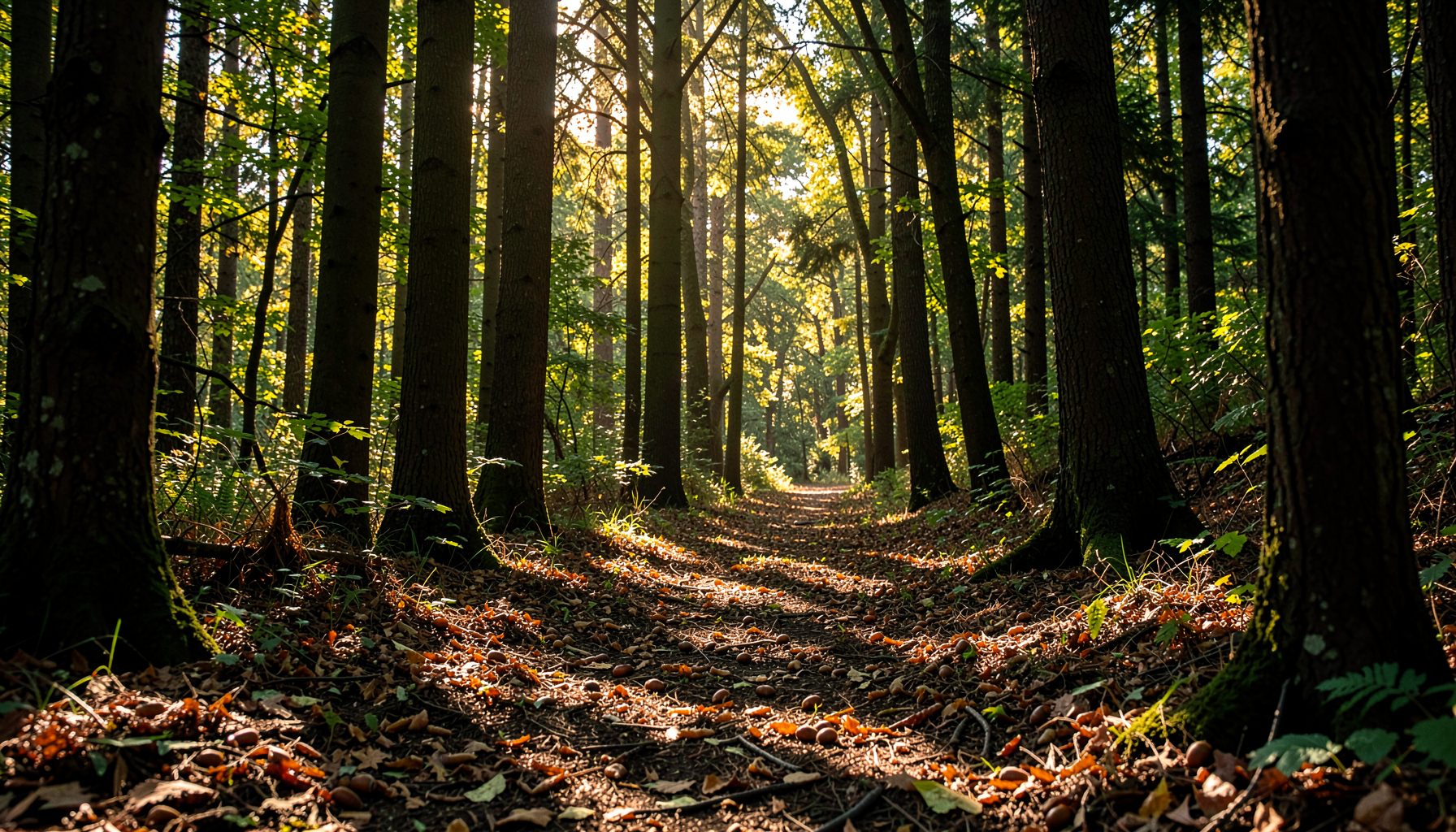
How to Identify Bitternut Hickory by Buds and Nut Shells
Bitternut hickory (Carya cordiformis) is a valuable eastern North American hardwood, especially in moist forests and streamside corridors. Its name comes from the unpleasant taste of its nut, but the tree is easier to recognise through a combination of yellow buds, compound leaves, ridged bark and a thin, four-sectioned husk. Learning those features helps volunteers sort hickory seed accurately before it reaches a nursery.
For Australian readers, the species may be unfamiliar because it is not a natural part of forests around Sydney, Melbourne, Brisbane or Canberra. It belongs to the Potomac River watershed and other regions of the eastern United States. Its identification is still useful for anyone studying North American trees, supporting overseas conservation projects or comparing seed-collection methods with Australia’s own native seed work.
Bitternut hickory also demonstrates why careful identification matters. A seed that looks broadly like a walnut or another hickory can have different germination needs, wildlife value and planting outcomes. In restoration programs, correct labelling protects genetic records and helps nurseries grow the right species for the right soil, climate and catchment.
The most reliable approach is to inspect the whole twig rather than relying on one feature. Look at the terminal bud first, then check the side buds, leaf scars and nut husk. Bark, leaves and habitat can confirm the result, while the nut’s flavour should never be the primary test.
Recognising The Yellow Buds
Bitternut hickory has distinctive terminal buds that are usually yellow to yellow-brown. They are narrow, pointed and often shaped like a small cone or egg, with overlapping scales that can appear almost golden in good light. The terminal bud sits at the end of the twig and is generally larger and more noticeable than the lateral buds along the sides.
The colour becomes especially useful in winter, when leaves have fallen and many tree species look similar. A twig carrying bright sulphur-yellow buds is a strong clue, particularly when the tree is growing in a damp bottomland, floodplain or rich woodland. Bud colour can fade with age, weather and handling, so it should be matched with the nut and bark.
Side buds are arranged alternately rather than directly opposite one another. The twigs are slender and may be grey, brown or reddish-brown, with small leaf scars beneath each bud. When collecting fallen material, examine several twigs from the same tree because one damaged or weathered bud can create a misleading impression.
Reading The Nut Husk And Shell
The fruit is a small hickory nut enclosed in a thin husk. The husk is usually smooth or only faintly ridged and divides into four sections as it matures. It is commonly yellow-green before falling, then turns brown. Unlike the thick, deeply textured husk of a shagbark hickory, bitternut’s covering looks relatively neat and shallow.
The nut itself is often heart-shaped, slightly flattened or rounded, with a thin shell and a sharp, bitter kernel. The shell is not as heavy or strongly ridged as that of many other hickories. A mature husk may split along clear seams, allowing the nut to drop free, although squirrels and other animals frequently remove or damage the fruit first.
Do not taste an unknown nut collected in the field. Bitterness is a recognised characteristic of bitternut hickory, but tasting wild material is unnecessary and unsafe when fungi, chemicals or mixed species may be present. Instead, record the husk shape, shell thickness, colour, size and the tree’s other features.
Separating Similar Hickories
Shagbark hickory is one of the easiest comparisons. Its mature bark peels away in long, loose strips, while bitternut hickory usually develops tight, shallow ridges and does not produce shaggy plates. Shagbark nuts have a thicker, more heavily sculptured husk and are generally considered edible, with a sweeter flavour.
Pignut and mockernut hickories can create more difficult comparisons because their bark and nuts vary with age and site. Pignut fruits are often pear-shaped or more elongated, and their husks may be less clearly four-winged. Mockernut nuts tend to have a thicker shell and a larger, more textured husk. The yellow bud is particularly helpful when fruit characters are ambiguous.
Walnut trees are another common source of confusion. Black walnut fruits are usually enclosed in a round, green husk that does not split into the same clean four-part pattern. Their twigs have large chambered piths, while hickories generally have solid pith. If a fallen fruit is round and thick-skinned rather than a small, shallow-husked nut, investigate walnut before calling it bitternut hickory.
Checking The Whole Tree
Buds and nut shells work best when supported by leaves and bark. Bitternut hickory leaves are compound, usually with several narrow, pointed leaflets arranged along a central stalk. The terminal leaflet is often present and larger than the side leaflets. In summer, the foliage has a fine, airy appearance compared with the broader leaves of some other hickories.
The bark is grey-brown and becomes more ridged as the tree ages. It generally lacks the dramatic peeling strips of shagbark hickory. The tree favours moist, fertile ground, including floodplains, low slopes and stream margins, although it can occur on drier sites. That habitat information is useful, but it should confirm a specimen rather than replace close examination.
Understanding the landscape around the tree adds value to identification. The Potomac forest history provides context for the forest communities and waterways where species such as bitternut hickory developed. For volunteers, this broader view connects an individual nut with soil stability, shade, wildlife habitat and water quality.
Collecting And Recording Seed
Collect mature nuts from the ground soon after they fall, choosing sound examples with intact husks or shells. Avoid fruit that is soft, mouldy, insect-riddled or mixed with other species. Keep collections from separate trees apart where possible, and write down the date, location, habitat and approximate number of parent trees.
The timing will feel unfamiliar in Australia because North American hickory seed is generally collected in autumn, while Australian seasons are reversed. A volunteer in Canberra or Melbourne may associate autumn with cool-weather planting, yet a Potomac seed collection project will follow local American conditions. Clear dates and locations prevent confusion when records are shared across countries.
Never gather seed from protected land or transport plant material across borders without checking the rules. Australia has strict biosecurity requirements, and imported nuts, soil and plant matter may require permits, inspection or treatment. For Australian supporters, the safest contribution is often education, digital volunteering, fundraising or participation through an approved local organisation rather than bringing hickory seed home.
Growing Native’s site information can help volunteers understand where its conservation activities are organised and how seed collection connects with restoration. A properly identified nut is more useful when it arrives with reliable provenance and a clear chain of custody.
Using A Simple Field Checklist
A phone photograph can support identification, but take close images of the bud, twig, leaf scar, bark and complete husk. Place a ruler or familiar object beside the nut for scale, and photograph the tree in its setting. Notes made at the site are usually more dependable than trying to reconstruct details later from a handful of mixed nuts.
For schools, families and workplace groups, a short observation routine makes the activity safer and more consistent. One person can inspect buds, another can examine fruit, and a third can record the habitat. In Australia, this approach fits well with citizen-science habits used by Landcare groups, school gardening clubs and weekend bushcare teams, even when the target species is overseas.
Use this compact checklist before accepting an identification:
- Terminal buds are noticeably yellow, narrow and pointed.
- Side buds occur alternately along a slender twig.
- The nut has a thin shell and a bitter kernel, but it is not tasted.
- The husk is relatively smooth and separates into four sections.
- Bark is ridged rather than peeling in long shagbark strips.
- The tree record includes location, date, habitat and parent-tree details.
A checklist is a screening tool, not a substitute for a regional field guide or expert review. If the features disagree, label the sample as uncertain and keep it separate. A doubtful identification is far easier to correct than a confidently mislabelled seed lot.
Connecting Identification With Restoration
Bitternut hickory is part of a forest system rather than an isolated specimen. Its nuts feed wildlife, its roots help hold soil, and mature trees contribute shade and leaf litter to waterways. In a Potomac tributary, maintaining a varied native canopy can reduce erosion and support cooler, cleaner stream conditions.
That ecological connection is useful for Australian audiences because local restoration projects face comparable concerns. Along waterways near Brisbane, Melbourne’s creeks or Sydney’s urban catchments, volunteers also manage erosion, invasive plants, declining canopy cover and poor water quality. The species differ, but the practical lessons—collect carefully, preserve provenance and match plants to habitat—remain relevant.
New volunteers can build identification confidence by studying the forest ecology guide before joining a collection day. Learning how trees interact with soils, streams and wildlife makes a bud or nut easier to interpret and gives each seed a clear conservation purpose.
Whether a group is working in a community garden in Adelaide or supporting a North American watershed from afar, accurate observation is a form of stewardship. It turns a small brown nut into dependable information for nurseries, restoration planners and future forest communities.
Join a recognised seed-collection or bushcare group, practise identifying buds and nut husks with a regional guide, and record every specimen carefully. When volunteers slow down to observe before collecting, they help ensure that restoration projects receive healthy, correctly identified seed and that waterways gain forests suited to their place.