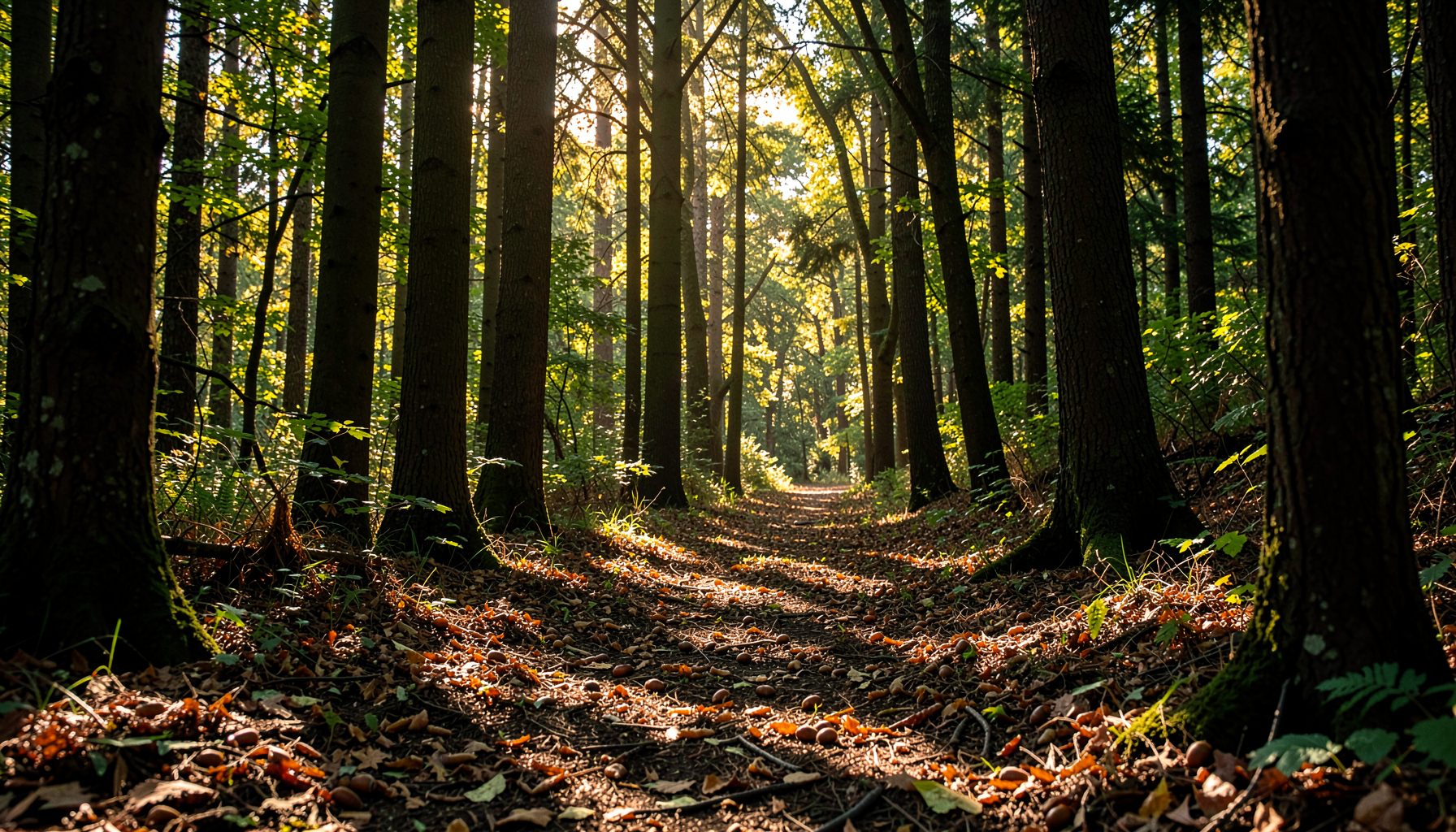
How to Collect Seeds from Trees Growing on Slopes and Hillsides
Collecting seeds from trees on slopes requires more care than gathering from level ground. Uneven terrain affects footing, drainage, access, and the way seeds move downhill after they fall. A careful collector must protect personal safety, avoid disturbing soil, and select mature seeds that can help restore healthy forests.
In the Potomac River watershed, native hardwood and shrub seeds may become future streamside seedlings. Acorns, walnuts, hickory nuts, and other locally adapted seeds support reforestation, erosion control, cleaner water, and stronger habitat. The quality of each collection begins with thoughtful decisions in the field.
A successful outing combines tree identification, seasonal timing, responsible harvesting, and accurate records. Whether volunteers work alone, with a family, or as part of a school or workplace group, hillside collection can become a practical lesson in forest ecology and watershed stewardship.
Choosing Safe Collection Sites
Begin by selecting a site where collection is permitted. Obtain landowner approval when needed, follow park or preserve regulations, and check whether the area has restrictions on removing plant material. Avoid protected research plots, restoration plantings, and locations where wildlife depends heavily on the available mast.
Slope angle matters. Gentle hillsides with stable ground are easier to work on than steep banks, exposed ridges, or slopes above cliffs and streams. Look for firm paths, broad benches, and areas with plenty of room to stand. Wet leaves, loose stones, mud, and hidden roots can make an apparently short walk hazardous.
Weather can quickly change a safe site into a dangerous one. Postpone collection during heavy rain, high winds, thunderstorms, or periods when the ground is frozen and slippery. After a storm, inspect trees for hanging branches and avoid working beneath damaged limbs. A small amount of planning is preferable to rushing through unsafe conditions.
Reading Trees And Hillsides
Before picking up seeds, identify the parent tree and examine its health. Learn the distinguishing features of target species, such as leaf shape, bark, fruit coverings, nut form, and branching pattern. Acorns from an oak, for example, should be separated by species when possible because different oaks can have different maturation periods and habitat associations.
Seeds usually gather in predictable places on a slope. Gravity moves acorns, nuts, and winged seeds toward the lower side of a tree, where they may collect behind roots, fallen branches, rocks, or small vegetation barriers. Search downslope from the canopy, while remembering that water can carry seeds much farther during rain.
Do not assume every seed beneath a tree came from that tree. Squirrels, birds, deer, runoff, and wind all redistribute seed. Check the canopy, nearby trunks, and surrounding vegetation before recording the source. When several species grow together, keeping collections separate preserves useful information for nurseries and restoration teams.
Gathering Mature Seeds Without Harm
Collect seeds from the ground when they are fully developed and naturally released. Mature acorns and nuts generally feel firm, show their normal species color, and separate readily from caps or husks. Avoid green, shriveled, cracked, moldy, insect-damaged, or foul-smelling specimens. A small sample can be cut open later to check whether the interior is sound, but do not waste large quantities.
Hand collection is usually the gentlest method on a slope. Move slowly, keep one hand free for balance, and place collected material into breathable bags or shallow containers. Never pull branches, strip bark, break twigs, or climb unstable trees to reach seeds. If a few seeds remain in the canopy, wildlife and natural regeneration may benefit from leaving them behind.
Gather broadly within the site rather than taking every seed from one location. Collections from several healthy trees can represent more of the local genetic variation. This matters because restoration plantings need trees that can respond to changing conditions, pests, drought, and disease. Growing Native explains the role of genetic diversity guidance in responsible seed sourcing.
Matching Collection Methods To Conditions
The best method depends on slope stability, seed type, weather, and the size of the group. The following comparisons can help volunteers choose a practical approach before leaving the trailhead.
| Site or seed condition | Preferred approach | Main risk | Helpful response |
|---|---|---|---|
| Gentle, dry slope with loose acorns | Hand pick from the ground | Slipping on leaves | Work across the slope, not straight downhill |
| Steep or eroding bank | Collect only from a safe edge or skip the site | Soil disturbance and falls | Do not climb; choose a safer nearby tree |
| Seeds gathered behind roots or logs | Lift surface debris carefully | Unstable footing and hidden wildlife | Wear gloves and leave rooted plants undisturbed |
| Wet ground after rain | Delay collection | Mud, runoff, and slick rocks | Return when the surface is firm |
| Large family or school group | Use small teams with assigned zones | Crowding and loss of supervision | Set boundaries and establish a meeting point |
| Mixed tree species | Sort into labeled bags | Incorrect identification | Record parent tree, location, and date |
A slope should never be reshaped to make collection easier. Do not rake away leaf litter across a wide area, dig into soil, or remove logs that are holding sediment in place. These materials slow erosion, shelter insects and fungi, and help new seedlings establish. Collect only what can be reached without changing the forest floor.
Handling, Labeling, And Transport
Use breathable paper bags, mesh sacks, or ventilated containers rather than sealed plastic bags. Moisture trapped around acorns and nuts encourages mold, especially when the collection remains in a vehicle or warm room. Keep bags out of direct sunlight and avoid piling heavy material on top of delicate seeds.
Every collection should have a clear label. Include the date, county or general site, tree species, collector or group name, and any details requested by the receiving nursery or conservation program. If seeds came from multiple trees, record that information when practical. Separate species and collection sites so the material remains traceable.
Remove obvious debris, damaged seeds, and excess leaves, but avoid washing seeds unless the receiving organization provides specific instructions. Do not allow seeds to dry out completely or freeze without guidance. Prompt delivery is important because many native tree seeds are living material with narrow storage requirements.
A short field record also improves future restoration work. Note slope position, elevation if known, soil moisture, canopy condition, and signs of disease or insect damage. These observations help conservation staff understand where seed was collected and whether a particular source may be suitable for stream buffers, upland forests, or other planting sites.
Organizing A Responsible Collection Event
Group leaders should inspect the site before bringing volunteers. Mark safe access routes, identify steep drop-offs, choose collection boundaries, and set a meeting location. Explain how to recognize target species and demonstrate how to move across a slope with short steps and stable footing.
Children and first-time volunteers should work with an adult or experienced leader. Schools can connect seed collection with lessons about watersheds, plant reproduction, erosion, and local biodiversity. A well-designed field experience can include observation and mapping when conditions are unsuitable for extensive picking. Planning resources such as this school field trip guide can help educators prepare students for meaningful outdoor work.
Groups should carry water, first-aid supplies, charged phones or radios, weather-appropriate clothing, sturdy footwear, and gloves. Long pants protect against thorny plants and ticks, while bright clothing makes participants easier to monitor. Establish a check-in system so leaders know which teams are working in each area.
Collection should end before fatigue causes careless movement. Count bags, review labels, inspect the site for litter, and return tools or signs used during the event. The goal is a clean, low-impact visit that leaves the hillside stable and the surrounding habitat intact.
Connecting Seeds To Watershed Restoration
Seeds gathered from local trees can support nurseries that raise native seedlings for streamside and forest restoration. Along waterways, young trees stabilize banks, shade streams, filter runoff, and provide habitat. On hillsides, rooted vegetation helps slow the movement of soil and water toward creeks and rivers.
The connection between a single acorn and watershed health may take years to become visible. A seed must be viable, grown under suitable conditions, planted in an appropriate location, and protected while it establishes. Careful collection improves the chance that each stage of this process begins with healthy, well-documented material.
Volunteers can deepen their knowledge through tree identification and forest ecology resources available in the Growing Native publications. Learning to recognize native species, understand seasonal cycles, and observe changing watershed conditions makes future fieldwork more accurate and rewarding.
Practical Habits For Every Collection
Use these recommendations to make hillside seed gathering safer and more useful:
- Choose firm, permitted sites and avoid steep, wet, eroding, or storm-damaged slopes.
- Collect mature seeds from several healthy trees without climbing, breaking branches, or disturbing leaf litter.
- Keep species and collection locations separate in breathable, clearly labeled bags.
- Record the date, site, tree identity, and any observations requested by the receiving nursery.
- Deliver seeds promptly and follow the nursery’s instructions for cleaning, storage, and transport.
Every careful collection contributes to a larger restoration effort. Select a safe local site, gather responsibly during the proper season, and connect with Growing Native or a regional nursery so native seeds can become healthy trees for the Potomac watershed.