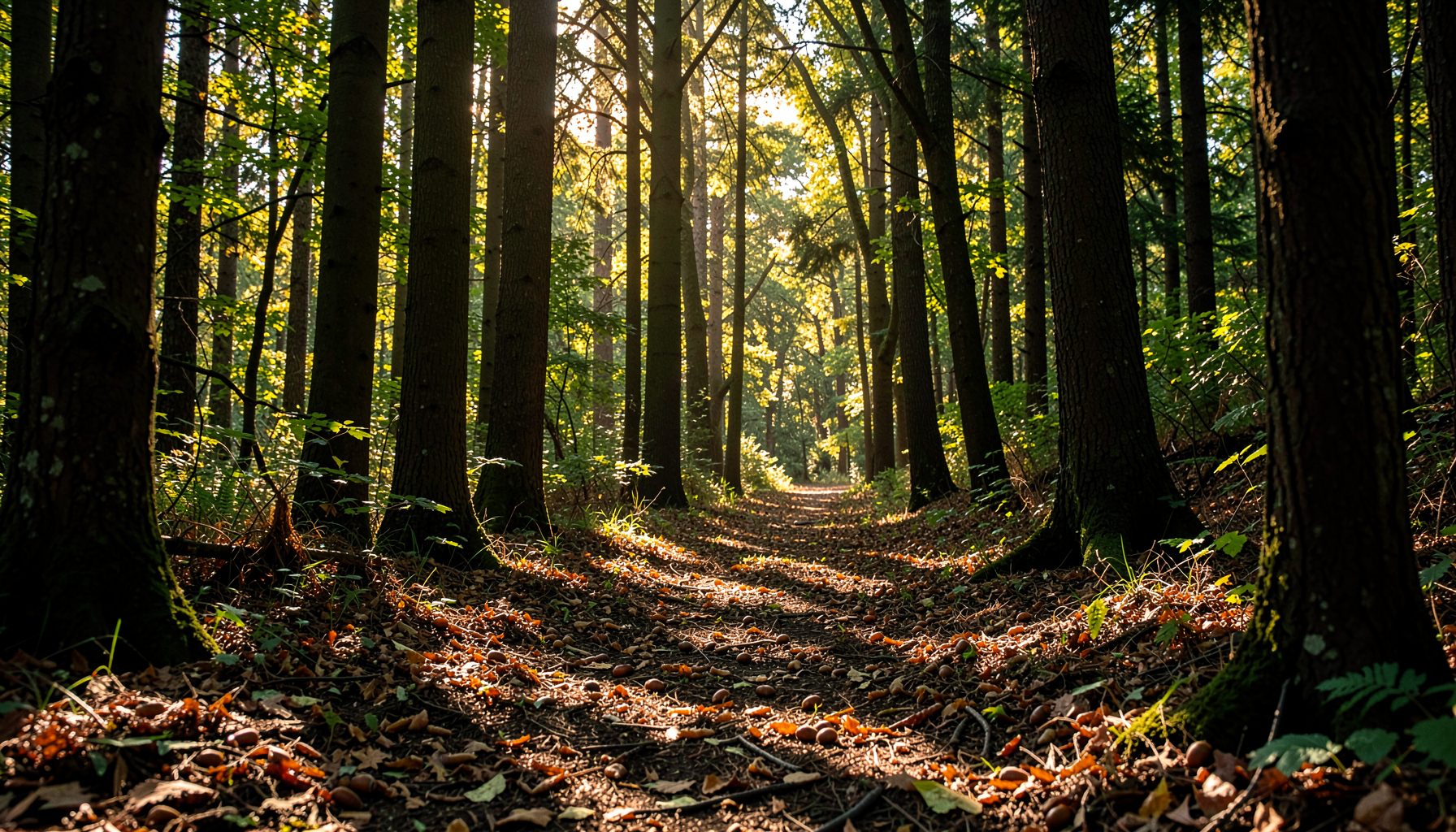
Why the Potomac watershed deserves our restoration efforts
The Potomac River watershed is more than a single river. It is a connected network of streams, forests, wetlands, farms, towns, and cities spread across Maryland, Virginia, West Virginia, Pennsylvania, and the District of Columbia. Water that begins in a small headwater eventually moves through this living system toward the Chesapeake Bay.
That connection explains why local conservation work can have effects far beyond the place where it begins. A healthy streamside forest can reduce erosion, shade the water, shelter wildlife, and help protect downstream communities from excess sediment and pollutants. A damaged hillside or bare streambank can create the opposite chain of impacts.
Growing Native focuses on this watershed because restoring native trees and shrubs addresses several environmental needs at once. By collecting locally adapted seeds and helping state nurseries grow them into seedlings, volunteers support a long-term cycle of reforestation, water-quality protection, and community stewardship.
A watershed links every conservation action
Rain does not follow political boundaries. It falls on rooftops, roads, fields, and forests before flowing into roadside channels, small creeks, and larger tributaries. Those tributaries join the Potomac, carrying both the benefits and the damage produced across the landscape.
This makes watershed restoration a practical way to understand environmental responsibility. Planting a native tree beside a tributary may seem like a small act, yet its roots can stabilize soil, its canopy can cool the water, and its fallen leaves can provide habitat and nutrients. Repeated across thousands of stream miles, these actions can improve the condition of an entire river system.
The Potomac also connects rural and urban communities. Agricultural areas, public lands, suburbs, and dense neighborhoods all contribute water to the same network. A shared watershed gives people with different daily experiences a common reason to protect forests, wetlands, and waterways.
Native trees protect streams and soil
Streamside forests, often called riparian buffers, are among the most valuable features in a watershed. Their roots hold banks in place during storms, while trunks and leaf litter slow runoff before it reaches the channel. This helps keep loose soil out of the water, where sediment can cover aquatic habitat and carry nutrients or pollutants downstream.
Trees also influence stream temperature. Branches and leaves shade shallow water during hot weather, creating better conditions for fish, insects, amphibians, and other organisms. A stable, vegetated streambank can support a more complex food web than a bare bank exposed to repeated flooding.
Native species are especially important because they evolved within regional soils, seasons, and ecological relationships. Oaks, walnuts, hickories, shrubs, and other local plants offer food and shelter to wildlife adapted to them. They can also contribute to a diverse forest that is better equipped to support watershed health over time.
Seed collection turns volunteers into restoration partners
Growing Native begins its work before a seedling reaches a restoration site. Volunteers gather mature native hardwood and shrub seeds, including acorns and walnuts, from appropriate locations. Those seeds are donated to state nurseries, where they can be grown into seedlings for future planting projects.
This approach creates a direct connection between people and the forest around them. A family collecting acorns, a school studying tree identification, or a workplace organizing a volunteer day can participate in a restoration process that unfolds over several years. The activity offers a tangible lesson in forest ecology: seeds become trees, trees shape streams, and streams belong to a larger watershed.
A successful event requires attention to timing, species identification, seed quality, and safe collection practices. Organizers can use this seed collection guide to prepare volunteers and make the experience productive. Careful collection helps ensure that donated seeds have the best chance of becoming healthy planting stock.
| Watershed feature | Why it matters | How native plants help |
|---|---|---|
| Headwater streams | Begin the flow network and are sensitive to disturbance | Roots stabilize small channels and shade shallow water |
| Streamside forests | Filter runoff and provide aquatic habitat | Vegetation slows water, traps sediment, and supports wildlife |
| Upland forests | Absorb rainfall and reduce rapid runoff | Leaf litter and roots improve soil structure and infiltration |
| Tributaries | Carry water, nutrients, and sediment toward the Potomac | Connected vegetation improves conditions before water travels downstream |
| Community green spaces | Offer accessible places for learning and stewardship | Native plantings demonstrate restoration close to home |
The watershed needs connected forests
Individual trees matter, but the greatest benefits often emerge when trees form continuous or strategically placed forest corridors. Connected vegetation allows wildlife to move between habitats, protects streambanks along longer stretches, and reduces the number of exposed gaps where runoff can accelerate.
Forest connectivity is also important because watersheds face many pressures at once. Development can replace absorbent soil with pavement. Severe storms can wash sediment from disturbed ground. Invasive plants may crowd out native regeneration, while changing temperatures and rainfall patterns place additional stress on forests and streams.
Seed collection supports the renewal of these landscapes at the beginning of the process. By supplying native plant material suited to the region, volunteers help expand the pool of trees available for streamside buffers, reforestation projects, and habitat restoration. The work is patient by nature, but its value grows as seedlings mature and become part of a functioning forest.
Local action builds lasting environmental knowledge
Conservation is stronger when people understand why a practice matters. Learning to identify an oak or walnut, recognizing signs of healthy forest regeneration, and observing how water moves after a storm can turn abstract environmental concerns into visible relationships.
Educational experiences also help younger volunteers see themselves as caretakers rather than observers. Schools can connect seed collection with lessons in biology, geography, climate, and civic responsibility. Families and community groups can use a collection event to explore nearby parks or woodland edges while contributing to a regional restoration effort.
This knowledge can influence everyday decisions. People who understand the role of riparian buffers may value wooded stream corridors, support native landscaping, and recognize why preventing erosion matters. Stewardship becomes more durable when it is rooted in place and shared across generations.
Small collections contribute to a regional strategy
The Potomac watershed is large, and no single organization or volunteer event can restore it alone. That is precisely why distributed participation matters. Many modest collections, coordinated through a reliable system, can provide a meaningful supply of seeds for nursery production and future planting.
This model also makes conservation accessible. Volunteers do not need specialized equipment or extensive field experience to contribute. They need guidance, attention to safety, and a willingness to learn the trees growing around them. People who cannot participate in a collection event can still support awareness, education, or local habitat care.
Those interested in joining an upcoming effort can contact Growing Native to learn about volunteer opportunities for individuals, families, schools, community groups, and workplaces. Participation can be tailored to different ages, schedules, and levels of experience while remaining connected to the same watershed goal.
Ways to make your contribution count
A thoughtful collection protects both the volunteers and the quality of the seed donation. Before heading outdoors, organizers should identify suitable collection sites, confirm which species are appropriate, and understand how to handle seeds after gathering them. The collection instructions provide practical direction for this preparation.
The strongest events combine hands-on work with observation and reflection. Volunteers can record the trees they find, notice differences between upland and streamside habitats, and discuss where the collected seeds may eventually be planted. These details help participants see the relationship between a local forest and the broader Potomac River ecosystem.
- Choose native trees and shrubs that are properly identified before collecting.
- Gather mature, healthy seeds from suitable locations and avoid damaged material.
- Organize clear roles for safety, sorting, labeling, and storage.
- Use the event to teach participants about erosion, forest habitat, and clean water.
- Share what you learned so more people understand the value of watershed restoration.
Help grow a healthier Potomac
Focusing on the Potomac River watershed means recognizing that clean water begins far from the river’s main channel. It begins in forests that absorb rainfall, streambanks held together by roots, tributaries protected from excessive sediment, and communities willing to care for the places where water starts its journey.
Every native seed collected is part of that larger effort. It represents future shade, habitat, soil stability, and cleaner water. Join Growing Native through a seed collection event, bring a school or workplace group into the work, or help your community learn why native forests are essential to the watershed. Your contribution today can become part of a healthier Potomac for decades to come.