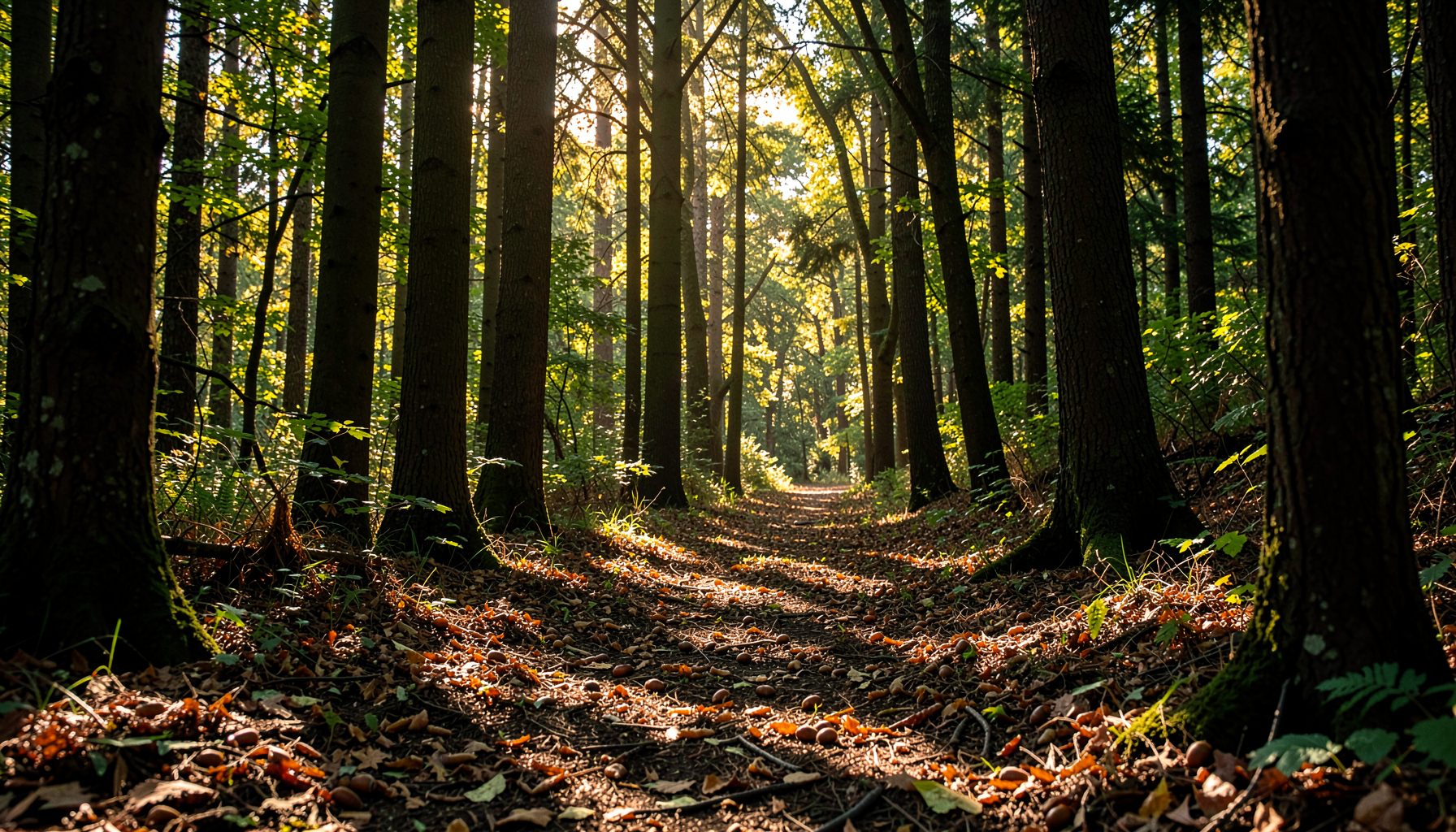
Why spotting invasive plants matters during seed collection
Collecting native seeds can feel like a simple act of helping forests regenerate: find mature trees, gather healthy acorns or nuts, and pass them on for propagation. Yet every collection site is also an ecological community. Native seedlings may grow beside weeds that smother groundcover, alter fire behaviour, poison waterways, or spread rapidly through disturbed soil.
For Australian volunteers, this awareness is especially valuable. Bushland often sits close to homes, roads, parks and farms, while everyday activities such as moving firewood, dumping garden clippings or carrying muddy boots can transport weed seeds. A careful collector protects the quality of the seed harvest and avoids becoming an accidental pathway for invasive plants.
Growing Native works in the Potomac River watershed, where volunteers collect native hardwood and shrub seed for streamside restoration. The same habits support responsible conservation in Australia: observe carefully, collect selectively, clean equipment and report unfamiliar plants before moving through a new site.
Seed collection is an ecological survey
A seed-collecting outing gives volunteers a close look at several layers of vegetation. The parent tree, its fallen crop, nearby shrubs, grasses, leaf litter and exposed soil all provide clues about the health of the site. Spotting invasive plants turns a narrow collecting task into a small ecological survey.
Some weeds are obvious when flowering, but much harder to recognise as seedlings. Others resemble local native plants, particularly when they are young or growing in poor light. Learning leaf arrangement, stem texture, flower structure, fruit, seed pods and growth habit improves identification and reduces the chance of overlooking a new infestation.
This knowledge also helps volunteers choose collection points wisely. A site dominated by aggressive vines or invasive grasses may produce seed that is genetically valuable, but it may also be vulnerable to further disturbance. Recording the location and condition of the area allows restoration groups to plan weed control alongside planting.
Invasive plants can compromise restoration
Seeds and plant material can carry unwanted passengers. Weed seeds may cling to boots, bags, vehicle mats, gloves or collection tarpaulins. Mud can contain tiny fragments of rhizomes, while fleshy fruit may be eaten or moved by birds and mammals. If equipment travels directly from an infested patch to a clean one, a volunteer can extend the weed’s range without intending to.
The risk is significant near waterways. Invasive plants can form dense stands along creek banks, displace native vegetation and leave bare soil when floods, drought or maintenance remove them. Their spread can increase erosion and sediment entering streams, reducing water quality and damaging habitat for aquatic insects, fish and frogs.
A clean seed batch matters as well. Native seed sent to a nursery must be correctly identified and separated from other collections. A careful volunteer checks bags, tubs and gloves before packing material, and keeps each species and collection area clearly labelled. These small controls protect the nursery process and the credibility of the restoration program.
Australian landscapes require local awareness
Australian volunteers may work in urban reserves around Sydney, Melbourne, Brisbane, Canberra or Perth, where remnant bushland meets gardens and heavily used paths. Common weeds vary by region, but examples include lantana, blackberry, bridal creeper, privet, bitou bush and invasive pasture grasses. Recognition should always be based on current local guidance rather than a generic national list.
Local conditions also shape the way weeds spread. Summer heat and drought can leave disturbed ground exposed, while intense rainfall can move seed and plant fragments downstream. Bushfire may open the canopy and trigger rapid weed growth. A collector who understands recent weather, flood history and site disturbance can interpret what they see more accurately.
Australian biosecurity rules matter too. Permission may be required to collect plant material on public land, in national parks or on council reserves, and rules differ between states and territories. The Biosecurity Act 2015 applies in New South Wales, while other jurisdictions have their own legislation, weed declarations and movement controls. Volunteers should follow land-manager instructions, avoid transporting suspect material and use official weed-reporting channels when required.
Identification begins before the outing
Preparation reduces mistakes. Before visiting a site, volunteers can study local weed profiles, seasonal photographs and identification keys, then compare them with reputable herbarium or government resources. It helps to learn a few high-risk species well rather than memorise a long list superficially.
A field notebook or phone record can capture leaf shape, plant height, habitat, flowering stage and nearby native species. Photographs should include the whole plant, a close view of leaves or flowers, and a location reference. Unknown plants should be photographed and flagged rather than pulled up casually, especially where removal could disturb soil or breach land-management rules.
The seed collection guidance provided by Growing Native offers a useful model for thinking about timing, handling and source records. Australian groups can adapt those principles to local species, permissions and biosecurity requirements while keeping accurate notes about where every collection came from.
Collect carefully around parent trees
A healthy parent tree is more than a source of seed. It may provide nesting cavities, flowers for pollinators, bark habitat, fallen timber and food for wildlife. Volunteers should avoid trampling regeneration, breaking branches or stripping every available fruit and nut. Leaving a portion for birds, mammals and natural regeneration keeps the site functioning.
The ecological value of a native tree may be easy to underestimate. Oaks, for example, support a remarkable range of insects and food webs; Growing Native explains the oak wildlife value in detail. In Australia, the equivalent lesson applies to locally important eucalypts, wattles, casuarinas, banksias and rainforest trees: collecting should fit within the wider needs of the habitat.
Avoid gathering fallen material from areas where invasive fruit or seed is mixed through the leaf litter. Use a clean sheet or container, and inspect each item before it enters the collection bag. If a native seed crop cannot be separated confidently from weed material, leaving it behind is safer than contaminating a larger batch.
Clean equipment and protect provenance
Cleaning is a practical biosecurity habit, not an optional extra. Shake soil from boots at the site where it was collected, brush off bags and mats, and remove plant fragments from gloves, secateurs and tarpaulins. Where a land manager specifies washing or disinfecting procedures, follow them carefully and allow equipment to dry before moving on.
Volunteers should work from the cleanest area to the most affected area where possible. If the itinerary includes several reserves, plan the order so an infested site is visited last. Keep collected seed separate from personal food, camping equipment and garden materials, and never place wild-collected material in a household compost bin unless the relevant authority approves it.
Good labels preserve provenance. Record the species, collection date, approximate location, land manager, habitat, parent tree details and any signs of weeds or disease. In Australia’s native plant market, demand for local provenance and ethically sourced seed is growing, but traceability remains essential. A bag with vague origins is less useful for restoration and may create legal or ecological problems.
Build confidence through shared observation
New volunteers do not need to become botanists before joining a collection day. They need a system for pausing, checking and asking for help. A short briefing can cover priority weeds, hygiene stations, collection boundaries, reporting procedures and the difference between an unfamiliar native plant and a declared pest.
Families, schools, workplaces and community groups can turn identification into a practical learning activity. One team can map mature parent trees, another can inspect the ground layer, and a third can check equipment before departure. Children can compare leaf shapes and habitats under supervision without handling unknown plants or entering unsafe areas.
A useful field routine is:
- Review the local weed list and land-access requirements before travelling.
- Photograph unfamiliar plants and record their location instead of guessing.
- Collect only from approved species and healthy parent trees.
- Keep native seed, tools and personal gear separate from suspect plant material.
- Clean boots, bags, gloves and vehicle areas before moving between sites.
- Leave enough fruit, nuts and fallen material for wildlife and natural regeneration.
- Report significant infestations to the site manager or relevant Australian authority.
These steps also make volunteer programs easier to manage. Coordinators can identify recurring weed hotspots, schedule follow-up control and explain why certain collections were accepted or declined. Over time, volunteers become more observant, and the group builds a shared record of seasonal changes across the watershed or local catchment.
Make every collection support long-term recovery
Seed collection is one part of restoration, not the complete solution. Native seedlings need suitable planting locations, weed control, protection from browsing, follow-up watering where appropriate and monitoring across several seasons. Recognising invasive plants helps teams match each intervention to the condition of the site.
The benefits extend beyond planting numbers. Restoring native vegetation can stabilise stream banks, shade waterways, reduce sediment movement and provide shelter and food for wildlife. In urban Australia, healthy corridors can connect isolated reserves and give residents a practical relationship with local biodiversity. Choosing native species suited to the area also reduces reliance on garden plants that may escape into bushland.
Volunteers who learn weed identification become more effective stewards. They can explain why a garden escapee is risky, discourage the dumping of green waste, and support nurseries and councils that are trying to protect local genetic diversity. That knowledge is especially important as climate shifts, extreme weather and development create new opportunities for invasive species to establish.
When you join a Growing Native collection activity, bring the same careful attention you would bring to any restoration work: learn the target species, understand the site, inspect what you gather and leave the landscape healthier than you found it. Share these habits with your school, workplace or community group, and help turn each seed collection into a stronger step towards thriving forests and cleaner waterways.