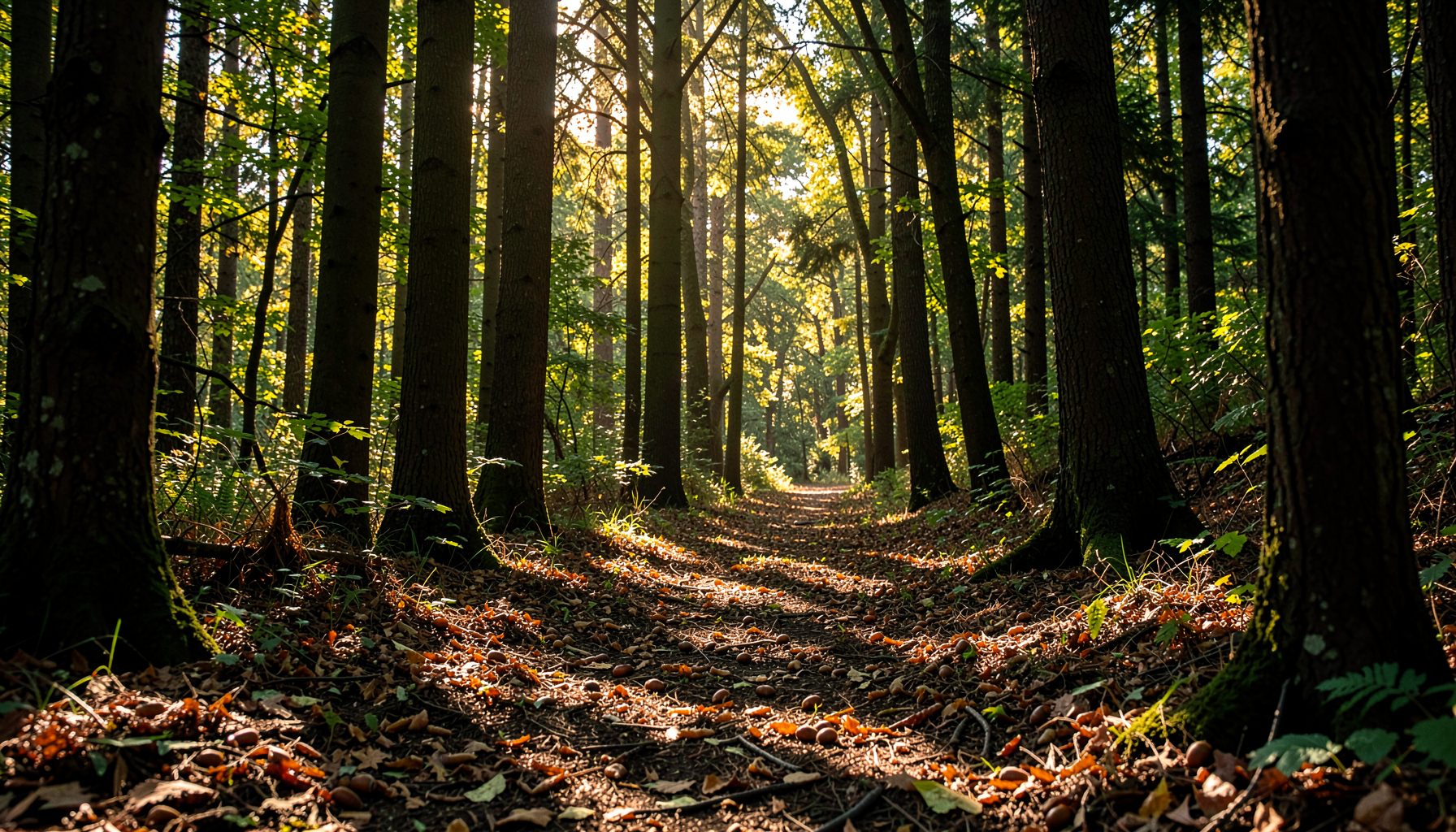
Why Sweetgum Trees Matter To Wildlife All Year
Sweetgum trees are familiar sights across the eastern United States, especially in moist forests, floodplains, old fields, and streamside corridors. Their star-shaped leaves and spiny seed capsules make them easy to recognize, but their value extends well beyond appearance. A mature sweetgum can provide food, nesting opportunities, cover, and habitat structure through every season.
Known scientifically as Liquidambar styraciflua, sweetgum is a native hardwood that fits naturally into the forests of the Potomac River watershed. Its role is especially important where forest restoration reconnects fragmented habitat, stabilizes streambanks, and creates layers of vegetation for birds, mammals, insects, and other wildlife.
Wildlife benefits are strongest when sweetgum grows as part of a diverse native plant community. Oaks, hickories, walnuts, shrubs, vines, and understory plants each support different species. Together, they create a functioning forest rather than a landscape dependent on a single tree.
A Native Tree With Many Ecological Roles
Sweetgum begins supporting wildlife in spring, when its small flowers appear among newly developing leaves. The flowers are not showy, but they provide pollen and nectar for a range of insects. Bees, flies, beetles, and other pollinators may visit them while moving between early-season food sources.
Those insects matter beyond pollination. Sweetgum foliage can support caterpillars and other herbivorous insects, which become food for songbirds during the nesting season. Many young birds require soft-bodied insects to grow, so a tree that feeds insects can indirectly help sustain the next generation of birds.
Sweetgum also contributes to forest structure. Its trunk, branches, bark, and canopy create perches, escape cover, and travel routes. As trees mature, dead limbs and cavities may become useful to woodpeckers, owls, chickadees, squirrels, and other cavity-using wildlife, while fallen wood returns nutrients and moisture to the forest floor.
Food From Spring Through Winter
By summer, a sweetgum canopy offers shade and shelter while its leaves continue to host insects. Birds may search the foliage for caterpillars, leafhoppers, and other small prey. The dense crown can also provide nesting cover, particularly when sweetgums grow beside other native trees and shrubs that offer additional materials and protection.
In autumn, sweetgum produces distinctive spherical fruiting structures often called gumballs. Each structure contains many small winged seeds. These seeds are not as valuable to wildlife as acorns or some nut crops, but finches, sparrows, Carolina chickadees, and other seed-eating birds may use them when available. Small mammals can also forage among fallen fruits and leaf litter.
The tree’s seasonal value becomes clearer when it is considered alongside other native hardwoods. A forest containing sweetgum, white oak, hickory, and walnut offers a broader sequence of fruits, nuts, insects, and cover than a stand dominated by one species. For help recognizing another important watershed tree, the guide to white oak acorns can help volunteers distinguish valuable mast-producing trees during seed collection.
Winter Cover And Forest Structure
After sweetgum leaves fall, the tree still provides habitat. Its branching form can break winter winds, offer lookout perches, and provide concealment for birds and small mammals. Groups of mature trees may also create a more stable local climate than exposed ground, reducing temperature swings near the forest floor.
The rough bark and crevices of older trunks give insects places to shelter during cold weather. Those insects can become food for birds that forage on bark, including creepers, nuthatches, and woodpeckers. Loose bark, branch intersections, and natural cavities may also be used for resting or nesting, depending on the tree’s age and condition.
Sweetgum is particularly useful in recovering forests because it can grow quickly in open or disturbed areas. Its presence helps establish canopy cover while slower-growing hardwoods develop. As the forest becomes taller and more layered, wildlife gains a wider range of feeding and shelter opportunities.
Sweetgum In Streamside Forests
Streamside forests, known as riparian buffers, perform several jobs at once. Their roots hold soil in place, their foliage shades the water, and their leaf litter supports aquatic food webs. Sweetgum can be part of these buffers, especially on moist sites where periodic flooding and wet soils shape plant growth.
Branches and fallen trunks can add complexity along stream margins. They may provide perches for kingfishers and flycatchers, hiding places for amphibians, and pathways for mammals moving beside the water. Roots can slow erosion and help keep sediment from entering streams, although a healthy buffer should include many plant species with different root patterns and growth habits.
A diverse riparian planting is more resilient than a single-species row. Sweetgum may occupy the canopy while dogwood, spicebush, elderberry, grasses, sedges, and other native plants fill lower layers. This layered arrangement improves habitat for pollinators and birds while strengthening the watershed’s ability to absorb rainfall.
How Sweetgum Compares With Other Native Trees
Every native tree has a particular wildlife profile. Sweetgum excels at providing canopy, insect habitat, seasonal cover, and rapid growth on suitable sites. Other trees may produce more energy-rich nuts, support a different collection of caterpillars, or tolerate drier soils. Conservation planning works best when these strengths are combined.
| Native tree | Main wildlife resources | Seasonal importance | Common restoration role |
|---|---|---|---|
| Sweetgum | Insects, small seeds, canopy cover, cavities, bark habitat | Spring through winter | Fast-growing canopy and riparian structure |
| White oak | Acorns, caterpillars, nesting sites, mature canopy | Especially fall and winter | Long-lived mast tree and forest anchor |
| Black walnut | Nuts, insects, canopy, coarse woody habitat | Late summer through winter | Diverse hardwood and wildlife food source |
| River birch | Seeds, insects, streamside cover, stabilizing roots | Year-round structure | Moist-soil and streambank restoration |
| Red maple | Seeds, insects, early flowers, nesting cover | Late winter through fall | Broad site adaptability and canopy diversity |
Black walnut is another valuable hardwood for watershed restoration, but its fruits have a different shape and husk than butternuts. Volunteers collecting native seeds can use this guide to identify black walnuts accurately, helping state nurseries receive the right material for future plantings.
Planting For A Complete Wildlife Calendar
The strongest wildlife habitat includes food and shelter at different heights and times of year. Sweetgum can contribute to that calendar, but it should be planted with other native species rather than treated as a complete habitat by itself. Oaks and hickories provide important mast, while shrubs and vines offer berries, nesting sites, and low cover.
Site selection also matters. Sweetgum generally performs well in moist, fertile soils, though established trees can tolerate a range of conditions. It may become large, so planting plans should account for mature canopy width, utility lines, buildings, roads, and future maintenance. Local ecotypes are often preferable because they are adapted to regional climate and soil conditions.
For restoration projects, naturally regenerating sweetgum can be retained when it appears in the right location and alongside a varied mix of native trees. Young trees should be protected from browsing and competition during establishment. Invasive plants should be managed carefully so that native seedlings can develop into a multilayered forest.
Practical Ways To Support Sweetgum Habitat
- Protect mature sweetgums and other native hardwoods when planning development or trail work.
- Plant sweetgum with oaks, hickories, walnuts, shrubs, and streamside grasses for greater habitat diversity.
- Leave suitable snags and downed wood where safety allows, since dead wood supports insects and cavity users.
- Avoid removing natural leaf litter from forest edges and restoration sites.
- Record flowering, fruiting, nesting, and wildlife activity to help track seasonal habitat value.
Community participation can extend this work beyond individual properties. Volunteers can learn to identify native seeds, collect them responsibly, and support nurseries that grow trees for future restoration. The Growing Native’s work connects seed collection with healthier forests, cleaner waterways, erosion control, and long-term stewardship across the Potomac watershed.
When sweetgum grows in a diverse, connected forest, its value is visible in every season: insects in spring, nesting cover in summer, seeds and leaf litter in fall, and shelter in winter. Protecting existing trees and adding well-chosen native hardwoods to restoration projects helps wildlife today while building stronger watershed forests for decades to come. Join a local seed collection or restoration effort through Growing Native and help return native trees to the places where wildlife and communities depend on them.