How Streamside Trees Improve Property Values
A healthy stand of trees beside a creek, drainage channel, or river can be one of the most valuable features on a property. Streamside vegetation, often called a riparian buffer, protects the land while improving its appearance, privacy, comfort, and long-term usability. These benefits influence how buyers, renters, and appraisers perceive a home or commercial site.
The relationship between trees and property value is not based on greenery alone. Native hardwoods and shrubs stabilize stream banks, filter runoff, reduce flooding pressure, create wildlife habitat, and make outdoor spaces more attractive. When these environmental services are visible and well maintained, they can strengthen a property’s market appeal.
In the Potomac River watershed, restoration programs help communities establish the native plants best suited to local soil, weather, and water conditions. Growing Native supports this work by collecting seeds such as acorns and walnuts, which are grown into streamside seedlings for future forests. The result is a long-term investment in both watershed health and the places people call home.
Natural Beauty That Shapes Buyer Perception
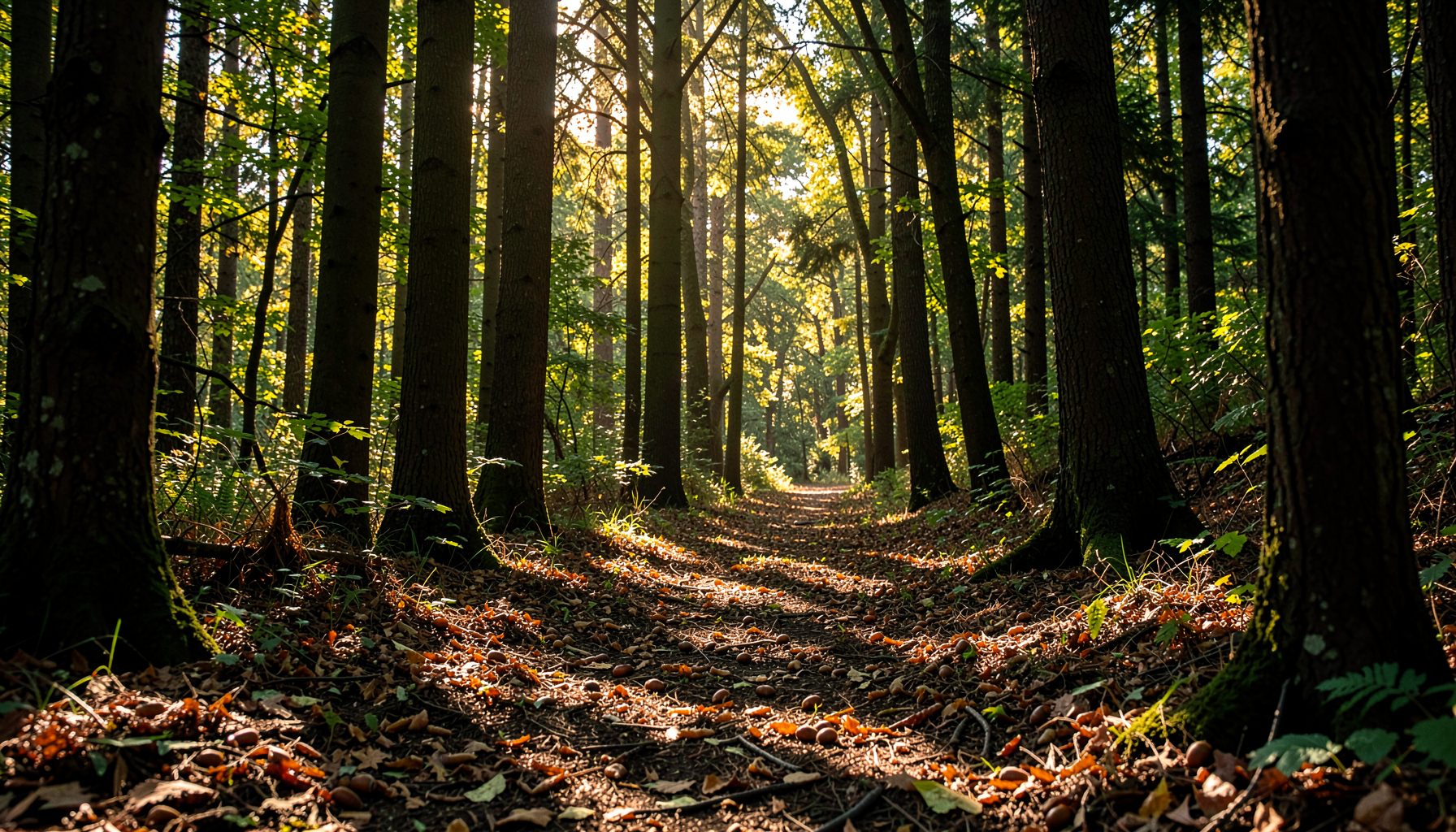
Trees near water create a distinctive landscape character that can make a property feel established and peaceful. A mature canopy frames views, softens hard building lines, and gives yards a sense of depth. Native shrubs add seasonal color, while grasses and understory plants create a more natural transition between the lawn and the waterway.
These visual qualities can influence a buyer before a formal inspection begins. A property with a healthy riparian buffer may appear more private, cared for, and connected to its surroundings. Trees can also hide nearby roads, utility structures, or neighboring buildings, making the land feel larger and quieter without requiring expensive fencing.
Landscape appeal has practical value as well as emotional value. Shade from streamside trees can make patios, paths, and gardens more comfortable during hot weather. A well-designed buffer may reduce the need for intensive mowing along the water’s edge, replacing a difficult maintenance zone with a stable, attractive native landscape.
Protection From Erosion And Runoff
Stream banks are vulnerable to fast-moving water, especially after intense storms. Tree roots hold soil in place, while trunks, leaf litter, grasses, and shrubs slow the movement of runoff. This plant community helps prevent gullies, collapsing banks, exposed roots, and the gradual loss of usable land.
Erosion control protects property value by reducing the likelihood of expensive repairs. A failing bank may threaten lawns, sheds, driveways, fences, septic systems, or building foundations. It can also carry sediment into the stream, where it harms aquatic habitat and contributes to clogged channels downstream.
Riparian buffers act as living filters. Their roots and soil absorb some nutrients, sediment, and pollutants before those materials reach the water. Cleaner water improves the appearance and ecological health of a creek, which can make waterfront or water-adjacent property more appealing. It also demonstrates responsible land management to future buyers and neighboring owners.
Lower Flood Risk And Greater Resilience
Trees cannot prevent every flood, but a healthy streamside forest can help a landscape handle heavy rainfall. Deep roots improve soil structure and infiltration, while organic matter increases the ground’s capacity to hold water. Vegetation also slows surface flow, giving rainfall more time to soak into the soil rather than rushing directly into the channel.
This buffering effect may reduce localized ponding and the amount of sediment carried toward culverts and drainage systems. Properties with stable banks and functioning drainage are generally better positioned to withstand storms than those with bare soil beside a waterway. A resilient landscape can therefore reduce maintenance interruptions and protect the condition of outdoor improvements.
Risk perception matters in real estate. Buyers often examine flood maps, drainage patterns, retaining walls, and signs of past erosion before making an offer. A mature buffer does not remove floodplain rules or eliminate insurance considerations, but it can signal that the property has natural protections and has been managed with future weather conditions in mind.
| Property feature | Effect on the site | Potential value benefit |
|---|---|---|
| Native streamside trees | Stabilize banks and shade the water | Fewer erosion concerns and stronger landscape appeal |
| Layered shrubs and grasses | Filter runoff and slow stormwater | Lower maintenance pressure and cleaner drainage |
| Mature canopy | Provides shade, privacy, and visual structure | Greater comfort and buyer interest |
| Diverse native planting | Supports habitat and seasonal interest | More attractive, distinctive outdoor space |
| Healthy soil and leaf litter | Improves infiltration and moisture retention | Better resilience during heavy rain and heat |
| Unmanaged invasive growth | Can weaken habitat and obstruct access | Possible maintenance costs and reduced appeal |
A Stronger Sense Of Privacy And Comfort
Privacy is a major factor in residential property decisions, particularly in neighborhoods where lots are close together. Stream corridors often provide natural space between homes, and trees can make that separation feel more substantial. Evergreen and deciduous plantings, when combined thoughtfully, can screen views without creating the severe visual barrier of a tall fence.
The cooling effect of trees can also improve daily enjoyment. Canopy shade lowers surface temperatures on patios, walkways, and nearby walls. By reducing direct sunlight, trees may help outdoor living areas remain usable for more hours of the day and may lessen heat exposure around the home.
A wooded edge can support quiet recreation, including walking, birdwatching, photography, and nature study. These features are especially valuable when they are accessible but not overdeveloped. Buyers may see a streamside corridor as an extension of the property’s living space, even when the area remains primarily dedicated to conservation.
Native Plant Diversity Supports Lasting Value
The long-term performance of a streamside landscape depends on choosing plants adapted to local conditions. Native trees and shrubs are more likely to support regional insects, birds, and other wildlife, while their established root systems can perform important soil and water functions. Species diversity also reduces the risk that one pest, disease, or weather event will damage the entire buffer.
A layered planting design usually works better than a row of isolated trees. Canopy trees provide height and shade, smaller trees occupy the middle layer, and shrubs, grasses, and herbaceous plants protect the soil near the ground. This structure creates stronger habitat and more continuous bank coverage than turf grass alone.
The path from collected seed to a planted seedling shows why restoration requires patience. Growing Native describes the single acorn journey, from the forest floor through nursery production and toward a future streamside forest. That process reflects the timeline of property stewardship: small actions today can produce shade, stability, and ecological value many years from now.
Practical Ways To Strengthen A Property’s Buffer
A property owner does not need to transform an entire yard at once. The most effective approach is usually to assess the stream bank, identify existing native plants, and address urgent problems before adding new trees. Removing invasive plants, redirecting concentrated runoff, and protecting young seedlings from mowing or browsing can give a restoration project a solid start.
Maintenance should focus on supporting a stable plant community rather than keeping every area manicured. Some fallen leaves, woody material, and low-growing vegetation are useful because they protect soil and provide habitat. At the same time, access paths, sightlines, and hazardous dead branches should be managed so the area remains safe and functional.
Useful actions for improving streamside environmental value include:
- Plant native trees and shrubs in groups that reflect the site’s moisture and sunlight conditions.
- Keep mowers, vehicles, and heavy equipment away from fragile banks and young roots.
- Use native groundcover and deep-rooted plants where turf grass is thin or eroding.
- Inspect drainage outlets after major storms and stabilize areas where water concentrates.
- Record planting dates and species so future owners understand the buffer’s purpose.
Community participation can make restoration more practical and affordable. Individuals, families, schools, workplaces, and neighborhood groups can help collect locally appropriate seeds and learn how forests develop. People interested in participating can explore regional volunteer sites to find opportunities connected with watershed restoration.
Environmental Stewardship As A Market Signal
A healthy streamside forest communicates care that extends beyond the home’s walls. It shows that the owner has considered drainage, habitat, soil protection, and the condition of shared waterways. In areas where buyers increasingly value energy efficiency, outdoor living, and environmental responsibility, that signal can help a property stand apart.
The benefits may also reach beyond a single parcel. When several neighboring properties maintain connected buffers, wildlife movement improves and runoff impacts can be reduced across the watershed. A continuous corridor is usually more effective than isolated plantings because water, soil, and habitat processes operate across property boundaries.
Property value is shaped by location, building condition, comparable sales, infrastructure, and market timing, so trees should not be treated as a guaranteed price increase. Their contribution is often expressed through stronger first impressions, lower perceived risk, better outdoor comfort, and reduced exposure to erosion-related costs. Those advantages can make a property more competitive and more enjoyable over its useful life.
Maintaining or restoring a streamside buffer is a decision with benefits that grow over time. To learn how to support native seed collection, watershed education, or local restoration work, contact the program team. Each protected bank and planted seedling helps create healthier waterways, stronger landscapes, and properties prepared to retain their appeal for generations.