How seed collection events strengthen community watershed stewardship
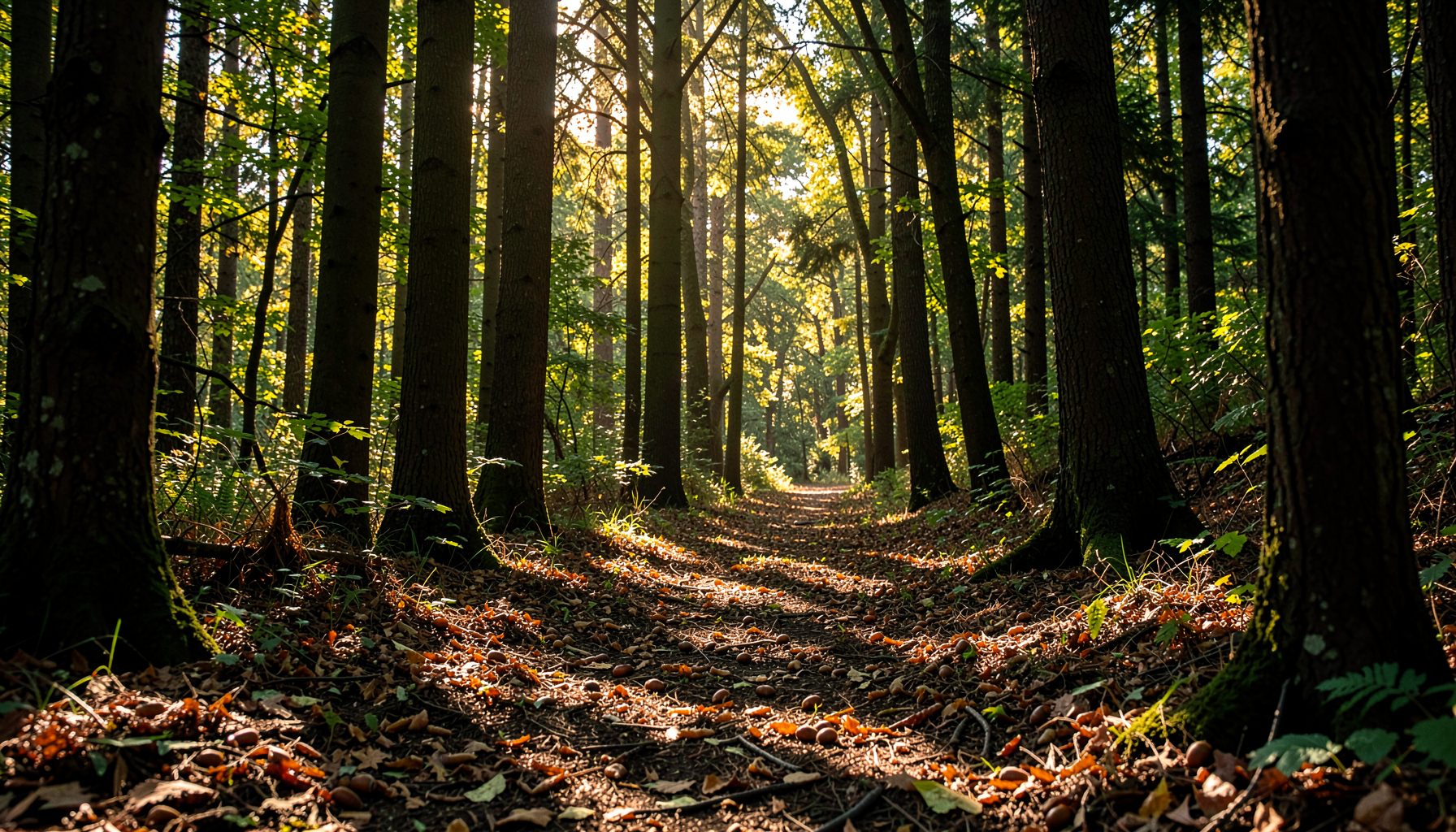
Every autumn, volunteers gather along creeks with hessian sacks and paper bags. They crouch beneath oak and walnut trees, scoop up fallen acorns, and pack them for the long journey to a nursery. To a passer-by it might look like a quaint weekend pastime, but the work stitches together neighbours, school groups, tradies and retirees. Programs such as Growing Native in the Potomac watershed turn these sessions into the first year of a decades-long tree. The harvest becomes seedlings, the seedlings become streamside forests, and those forests do the slow work of stabilising banks, shading rivers and filtering the pollutants cities wash downstream.
Australia has its own long lineage of this kind of work. Bushcare and Landcare networks have been turning up on weekends for reveg work since the late 1980s. Many of today's volunteers first learnt which seed to pick by helping out as kids. Along the Yarra at Melbourne's edge, along the Maribyrnong further upstream, and along creeks threading through Sydney's Hills District, similar rhythms play out each autumn. Today's seed collection gatherings are a quiet continuation of that tradition, scaled up and tied more deliberately to catchment goals.
What makes these events more than a tree-planting day is the way they rewire who feels ownership of the water. When someone picks acorns in autumn, sorts them at a kitchen table, and watches the same seeds germinate at a nursery twelve months later, the river downstream stops being an abstraction. It becomes the river that grows out of their own backyard. That shift, from detached well-wisher to invested caretaker, is the heart of community stewardship for local watersheds, and one of the most reliable ways to spark it.
A volunteer tradition rooted in the bush
The Australian volunteer conservation scene grew out of a particular moment. The late 1980s saw Landcare groups spring up across rural shires to tackle salinity and erosion. In cities, Bushcare branches took hold along urban creeks, removing willows and Paterson's curse and replacing them with locally native species. National Tree Day, run by Planet Ark since 1996, mobilised hundreds of thousands to plant tubestock on a single Sunday each year. Underpinning all of this was the practical Aussie belief that a few hours on the weekend, with the right guidance, can shift the dial.
Programs such as Growing Native borrow from that same well. They organise small groups, brief them on target species, and ensure seeds are dispatched to accredited nurseries rather than left to rot. The model is small but durable, asking little of any one volunteer while depending on a great many.
There is also a hard-headed economic logic. Catchment restoration is expensive, and supply of native seedlings is often the bottleneck. When volunteers take on the seed collection step, professional nurseries can focus on growing and councils can stretch their reveg budgets further. The maths is straightforward, but relies on a steady pipeline of willing hands.
What happens at a seed collection day
A typical morning starts with a short walk, an introduction to target species, and a quick lesson on how to spot viable seed. In Australia, that might mean sorting Eucalyptus capsules from a healthy stand, or filling paper bags with Allocasuarina cones. Volunteers learn to leave weedy patches alone, since collecting from olive, ash or privet infestations risks contaminating nursery stock.
After the briefing, the group spreads out. There is usually a parent with two kids who want to see who can find the biggest acorn. There is a sparky who came along because his old man always talked about the bush. There is a recent migrant who joined through a local environment centre and now turns up every Saturday. Sorting and bagging is slow enough that conversations happen naturally, the way they do at a working bee.
Things worth bringing along:
- Sturdy closed-in shoes, long sleeves and a hat
- A pair of gardening gloves and a small hand trowel
- Paper bags or a hessian sack for collections
- A water bottle and a sense of what is growing locally
The session closes with a weigh-in, a few photos, and a quiet thank-you. Each person leaves with a clearer idea of which species grow where, how seed falls and germinates, and what their catchment looks like up close. That knowledge travels, and does more for long-term behaviour shift than any glossy brochure.
From acorn to tubestock: a quiet journey
Once collected, seeds move through a chain that mirrors what Australian nurseries do with their own locally native species. Acorns and walnuts are cleaned, sorted by size, and either sown directly into deep tubes or cold-stratified to break dormancy. Within a year, the strongest seedlings are graded by the nursery team and earmarked for reveg projects. A small but meaningful proportion are kept back for community planting along riparian corridors.
This is also where the work intersects with broader concerns. Healthy streamside forests are not just a tree planting project; they are a defence against invasive species that crowd out regeneration and alter stream flows. why-invasive-species-threaten-streamside-reforestation-84c4 walks through how a single unmanaged infestation can erase a decade of careful planting in a single season, especially where flood events disperse seed downstream.
In Australia, similar dynamics play out along Murray-Darling systems and on coastal catchments draining to the Reef. Volunteer seed collection focused on resilient local species helps fill the pipeline needed to out-plant invasives, and gives local groups a reason to keep returning to the same patch.
Connecting suburbs to catchments in practice
What surprises new volunteers is how closely their suburb sits to its catchment. A kid in the Hills District might be twenty minutes from a creek feeding into the Hawkesbury-Nepean, which runs into the estuaries that shape oyster farming on the Central Coast. In Brisbane, a session at Berrinba Wetlands pulls in families from Logan who have never really thought about where their stormwater ends up. In Melbourne, a reveg morning on the Yarra at Warrandyte brings together people from Eltham and Ringwood who assume the river is someone else's patch. The seed collection day quietly redraws that mental map.
Catchment Management Authorities and Natural Resource Management regions have long worked on this same principle, breaking huge downstream goals into small, place-based actions that volunteers can actually do. Seed collection is one of the most accessible of those actions. It does not require a four-wheel-drive or a chainsaw ticket. It does require sturdy gloves, a working knowledge of which seeds are worth taking, and a willingness to turn up. That makes it ideal for newcomers, school groups and weekend revs.
Comparing volunteer approaches side by side
Not all volunteer models deliver the same kind of value. Some are built for speed and scale, others for depth and continuity. The table below sets out how seed collection events compare with direct seeding weekends, tubestock planting days and fenced natural regeneration projects.
| Approach | Best suited to | Time to ecological maturity | Volunteer skill required | Typical cost per hectare |
|---|---|---|---|---|
| Seed collection events | Building long-term stewardship and nursery supply | 3–5 years for seedling supply | Low; species ID and sorting | Low |
| Direct seeding weekends | Large rural sites with good access | 5–10 years | Medium; species and timing knowledge | Medium |
| Tubestock planting days | Urban creeks and high-visibility sites | 1–3 years | Low to medium | Higher |
| Fenced natural regeneration | Protected bushland with intact seedbank | Variable, often 5+ years | Low; mainly site protection | Low |
Seed collection stands out as the entry-level option that scales without losing depth. It is also the option most likely to leave a volunteer with a changed sense of place, rather than just a tired back.
Building pipelines through schools, families and tradies
Sustained stewardship depends on new people turning up each season. Programs such as Growing Native design their days around this reality, with school excursions booked well in advance, workplace volunteering arranged through HR, and weekend sessions pitched at families. Each group gets the same brief, but tailored to the time they have.
Who typically turns up at a seed collection day:
- School groups on a half-day excursion linked to a science unit
- Tradies on a rostered arvo, arranged through workplace volunteering
- Parents with prams or toddlers in carriers, looking for a low-key Saturday
- Recent migrants connected through a local environment centre
- Retirees keen to keep their hands in the soil
For school kids, the day is often the first time they have handled a real seed from a real tree. For tradies, it is a chance to use a rostered day off and get the team off-site. For parents with prams, it is a low-fuss way to spend a Saturday morning. None of these groups are a stretch for a seed collection day to host.
For the program itself, the goal is not just to fill a sack. It is to keep enough people engaged that next autumn's roster is not built from scratch. A dad who had a good arvo will tell two mates. A teacher who saw her class light up will book another excursion.
Long-term outcomes for streams and riverbanks
The case for these events is not sentimental. Streamside forests do measurable work. They lower water temperatures, hold banks together during freshes, and slow the sediment and nutrients that smother seagrass and stress inshore reefs. Work on the Bellinger and Richmond catchments has tracked how replanted riparian zones reduce sediment loads into estuaries. In the Potomac watershed, similar findings are shaping how future reforestation efforts can be planned across the broader catchment.
The downstream effects are what councils care about. A shaded creek is a cooler creek, and cooler creeks support more fish. A stable bank is cheaper than a rock wall. None of these gains happen in a single planting season, but each one is banked on the steady work of people who turn up at the same patch year after year.
Volunteer seed collection is the upstream step that makes all of this possible. Without a reliable supply of locally adapted seedlings, even the best planting schedule stalls. With it, reveg becomes a routine rather than a heroic effort. That is what community stewardship of local watersheds looks like in practice.
A seed collection day is worth a Saturday morning. Pick a local group running one near you, register, and turn up. Bring a friend, bring the kids, bring your old man if he's game. The seeds you collect today will be shading a creek long after you've moved on.