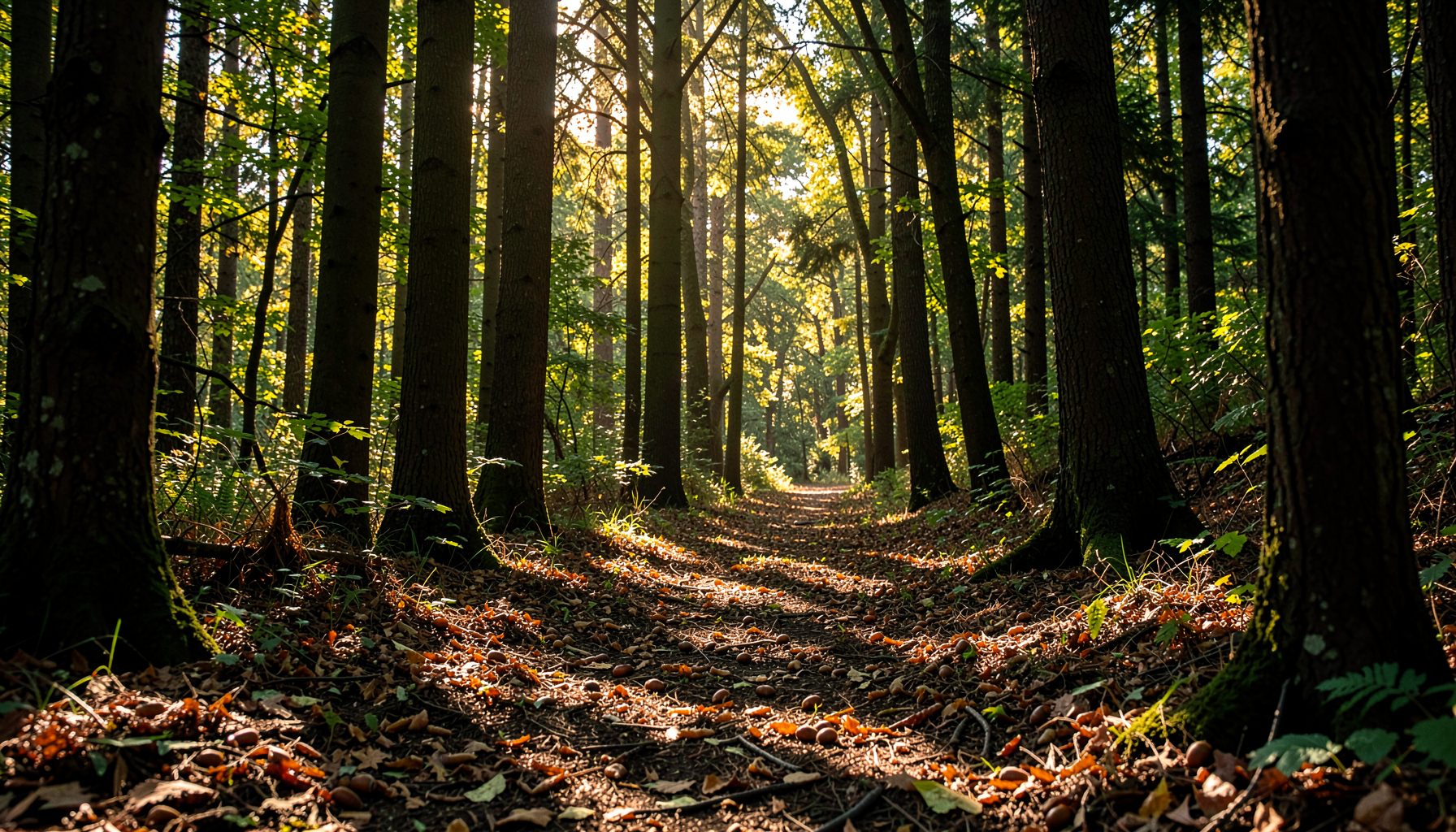
The Future of Reforestation in the Potomac Watershed
The Potomac watershed is shaped by forests. Woodlands filter rainfall, stabilize streambanks, provide wildlife habitat, store carbon, and help communities rely on cleaner rivers and drinking water. As development, invasive plants, extreme weather, and changing temperatures place new pressure on the landscape, restoring native trees will become an increasingly important part of watershed protection.
Reforestation in this region is moving beyond the simple goal of planting as many trees as possible. The strongest projects match native species to local conditions, protect young seedlings, reconnect fragmented forests, and measure whether restored sites remain healthy over time. Success depends on ecological knowledge as well as sustained public participation.
Growing Native contributes to that future by connecting volunteers with the earliest stage of forest recovery: collecting viable seeds. Acorns, walnuts, and other native hardwood and shrub seeds can become streamside trees years later, helping state nurseries and restoration partners build a reliable supply of locally appropriate plants.
A Watershed Built On Native Forests
The Potomac River watershed crosses a large and varied landscape, from mountain forests and agricultural valleys to suburban corridors and urban shorelines. Each area has different soils, slopes, moisture levels, and pressures, yet native forests provide similar benefits throughout the basin. Their roots hold soil in place, leaf litter helps rainfall enter the ground, and shaded streams stay cooler for aquatic life.
Streamside forests, often called riparian buffers, are especially valuable. A healthy buffer can intercept nutrients and sediment before they reach a creek, reduce bank erosion, and create corridors for birds, mammals, and pollinators. Trees also slow stormwater, which matters as intense rainfall becomes more common and compacted surfaces send water rapidly into local streams.
Reforestation cannot replace every mature forest or repair every watershed problem by itself. It works best as part of a broader strategy that includes careful land-use planning, invasive species control, wetland protection, responsible farming, and protection of existing trees. Preserving established forests is usually more efficient than recreating their ecological functions after clearing.
From Seed Collection To Forest Recovery
The future of restoration begins with dependable native seed. Collecting local seeds can preserve genetic traits suited to regional conditions, including seasonal timing, soil characteristics, and weather patterns. Volunteers who gather healthy seeds also strengthen the connection between residents and the landscapes they are helping to restore.
Accurate identification is essential. Seeds collected from the wrong species, gathered before they mature, or stored in unsuitable conditions may fail to produce strong seedlings. Educational resources such as native tree identification help volunteers recognize parent trees and understand the differences among leaves, bark, fruit, and growth forms.
Timing also matters. Different species release seeds in different seasons, and a successful collection requires attention to weather, wildlife use, and ground conditions. Acorns may need to be gathered soon after falling, while some fruits remain on branches longer. Volunteers can improve results by following collection guidelines, keeping species separate, labeling materials carefully, and delivering them promptly.
Technology And Ecological Knowledge
Technology will make restoration planning more precise without replacing local observation. Geographic information systems can identify eroding streambanks, disconnected forest patches, and areas where tree cover would provide the greatest water-quality benefit. Satellite imagery and aerial photography can show changes in canopy cover, while field surveys reveal conditions that images cannot capture.
Restoration teams may also use climate projections to select a diverse mix of species likely to remain resilient under warmer temperatures, shifting rainfall, and new pest pressures. Diversity is a form of insurance: a forest with several native species is less vulnerable to a single disease, insect, drought, or storm.
Data collection becomes especially useful after planting. Survival rates, growth, browsing damage, invasive plant coverage, and stream conditions can guide maintenance decisions. A site that loses many seedlings may need protective tubing, better weed control, different species, or a revised planting schedule. Monitoring turns reforestation from a one-time event into an adaptive process.
The most useful technology will support people working on the ground. A volunteer who notices compacted soil, deer damage, or a previously unrecorded seed source contributes information that a remote sensor may miss. Combining community knowledge with scientific tools creates a clearer picture of what each restoration site needs.
Restoration Approaches For A Changing Climate
Future projects will need to account for both local history and future conditions. Native species should remain the foundation, but restoration planners may favor a wider range of species and genetic diversity within planting areas. Layered forests containing canopy trees, understory plants, shrubs, and ground cover can provide more habitat and recover more effectively after disturbance.
Assisted natural regeneration is another promising approach. Where nearby seed sources remain and invasive plants are manageable, protecting natural seedlings may be more efficient than planting every tree. Fencing, invasive plant removal, and control of excessive browsing can allow a recovering forest to develop with less soil disturbance and lower costs.
Some sites will still require intensive planting. Former fields, heavily eroded banks, and places cut off from mature forests may have too few natural seedlings to recover on their own. In these locations, nursery-grown trees provide the structure needed to begin rebuilding ecological functions. Careful site preparation and follow-up maintenance are just as important as the initial planting.
| Restoration Priority | Key Action | Long-Term Benefit |
|---|---|---|
| Streambank stability | Plant native trees, shrubs, and deep-rooted grasses | Less erosion and sediment in waterways |
| Forest connectivity | Restore gaps between existing woodlands | Safer movement corridors for wildlife |
| Climate resilience | Use diverse native species and local seed sources | Greater ability to withstand heat, pests, and storms |
| Seed supply | Collect, label, and deliver viable native seeds | More reliable nursery production |
| Community stewardship | Involve schools, families, and local groups | Continued care and environmental awareness |
Community Participation At A Larger Scale
The number of trees restored across the watershed will depend partly on how many people take part. Seed collection is accessible because it can fit into family outings, school activities, workplace service days, and neighborhood events. Participants do not need to be professional botanists to make a meaningful contribution; they need clear guidance and a commitment to careful collection.
Volunteer programs also provide a practical way to teach forest ecology. A student who learns to distinguish an oak from a hickory is beginning to understand how species occupy different habitats. A family gathering walnuts can discuss wildlife food sources, seasonal cycles, and why a wooded stream corridor matters downstream.
Community involvement creates stewardship that continues after a project ends. People are more likely to notice invasive plants, report damaged trees, protect small natural areas, and support sound land-management decisions when they have participated in restoration themselves. These everyday actions add strength to formal conservation programs.
Partnerships can expand that impact. Schools, municipalities, watershed associations, land trusts, nurseries, and employers each bring different resources. A school may provide a learning setting, a local government may identify a restoration site, and a nursery may turn collected seeds into healthy seedlings. Coordinated work reduces duplication and helps restoration reach more places.
Building A Durable Restoration Network
Long-term progress requires continuity from seed collection through planting and maintenance. A seed gathered by a volunteer may spend months in storage, move through nursery production, and eventually be planted beside a stream. Keeping accurate records of species, collection location, date, and handling conditions allows restoration partners to understand which sources perform best.
Local nurseries will remain important because they can grow species suited to regional landscapes and provide plants when restoration windows open. A stronger native seed network could help reduce shortages, increase species diversity, and make it easier to respond after floods, storms, or large-scale tree loss.
Landowners are central to this network. Many important restoration sites lie on private property, where riparian buffers and forest patches can be protected for decades through voluntary agreements, technical assistance, and thoughtful maintenance. Clear information about costs, benefits, and available support can encourage more landowners to participate.
Funding must also reflect the timescale of forest recovery. A young tree may take years to provide shade and decades to develop mature habitat. Programs that support follow-up visits, invasive plant management, replacement planting, and monitoring are more likely to produce lasting results than efforts focused only on a single planting day.
Practical Ways To Support Forest Renewal
People can contribute at many levels, whether they have access to wooded land or simply want to learn more about local ecosystems. The most useful actions are consistent, careful, and connected to established conservation efforts.
- Join a native seed collection event during the appropriate harvest season.
- Learn local tree species before gathering acorns, nuts, or fruits.
- Keep collected seeds separated, labeled, and protected from heat or drying.
- Encourage schools, workplaces, and community groups to host restoration activities.
- Support streamside forest protection and maintenance after trees are planted.
The American hornbeam seeds resource offers a practical example of the detailed knowledge volunteers can develop. Learning the characteristics of one species at a time builds confidence and helps prevent accidental collection of unsuitable or nonnative material.
Participation can also extend beyond fieldwork. Residents can share information about native plants, support conservation organizations, attend local planning meetings, and reduce pressure on waterways through responsible yard care. Small decisions across thousands of homes and properties can complement larger restoration projects.
A healthier Potomac watershed will be shaped by many connected efforts: protected forests, well-managed farms, restored stream buffers, stronger native seed supplies, and communities that understand how their choices affect water downstream. Growing Native gives people a direct role in that system by turning seasonal seed collection into future habitat.
Join a local collection effort, bring a school or community group into the work, and help gather the native seeds that will become tomorrow’s streamside forests. Each carefully collected acorn or walnut is a small investment in cleaner water, steadier soil, richer wildlife habitat, and a more resilient Potomac watershed.