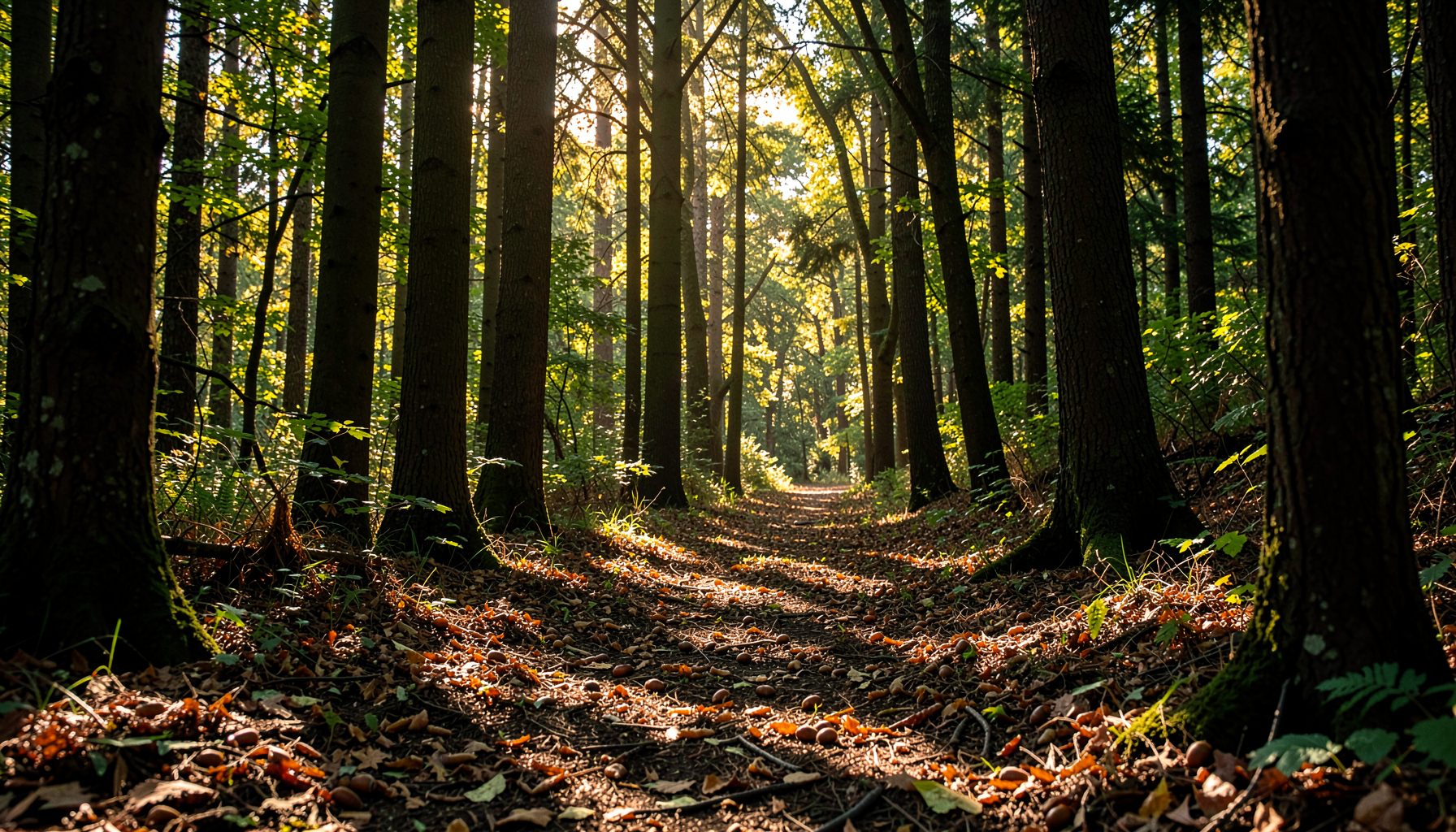
Why planting tree seeds in fall mimics nature’s own growing cycle
A forest rarely relies on a perfectly timed human planting day. Native trees release their seeds when seasonal conditions make survival more likely, allowing wind, rain, animals and gravity to place them in suitable ground. The seed then waits through an unfavourable period before germinating when warmth, moisture and light begin to align.
That is why planting tree seeds in fall can be so effective. Autumn sowing follows the rhythm of many woodland species: mature seeds settle into the soil, experience cooler conditions, and remain protected until spring brings the signals needed for growth. This natural timing can produce stronger, better-adapted seedlings than forcing germination at the wrong point in the year.
The approach is especially valuable for community conservation. Growing Native collects native hardwood and shrub seeds, including acorns and walnuts, and supplies them to state nurseries for streamside restoration across the Potomac River watershed. For Australian readers, the same principles connect with familiar bush regeneration practices, from revegetating a creek line near Canberra to restoring woodland edges in the Blue Mountains.
Autumn gives seeds time to settle
Freshly fallen seeds need contact with the ground, stable moisture and protection from harsh weather. When seeds are planted in autumn, they have time to settle into small spaces in the soil rather than being exposed on the surface. Leaf litter can provide a natural mulch, reducing temperature swings and helping the seed avoid drying out too quickly.
This timing also reduces the need to keep seedlings growing during the hottest or driest part of the year. In many temperate regions, winter slows activity without stopping the seed’s development. The seed remains dormant while its outer coat gradually responds to cold, moisture and microbial activity in the soil.
In Australia, “autumn” is not the same everywhere. A cool Canberra garden may offer a long, damp settling period, while a site near Brisbane can remain warm enough for germination much earlier. Local rainfall, frost, soil type and the specific native species should guide the sowing date rather than relying on a calendar alone.
Dormancy is a useful survival strategy
Many tree seeds are dormant when they leave the parent plant. Dormancy prevents them from sprouting during a brief warm spell in late autumn, when a new root could be damaged by frost, drought or a return to severe weather. Cold, moist conditions can gradually break this dormancy, a process often called cold stratification.
Acorns and walnuts illustrate why timing matters. Their seeds contain living tissue that can lose viability if allowed to dry out for too long. Planting them soon after collection helps preserve moisture and gives them a chance to experience the seasonal conditions that would occur on a forest floor.
Other species have different requirements. Some have hard coats that need weathering, while others depend on fire, animal digestion or a particular level of soil moisture before they can germinate. Successful restoration therefore begins with identifying the species and understanding its seed biology, rather than treating every seed as though it follows the same script.
Winter prepares the seed beneath the soil
A seed planted in fall is not simply inactive. Moisture can enter the seed coat, enzymes can become active and the embryo can begin preparing for root growth. These changes happen slowly in cool weather, reducing the risk that a sudden warm day will trigger fragile growth too soon.
Soil also provides physical protection. Buried seeds are less visible to birds and rodents than seeds left on the surface, although some wildlife will still find them. A suitable planting depth, firm soil contact and a light layer of leaf litter can create conditions similar to those found beneath established trees.
This is one reason natural regeneration often looks untidy compared with a garden bed. Fallen leaves, twigs and decomposing organic matter are part of the growing system. In an Australian revegetation project, clearing every leaf from around a planted seed may remove useful insulation and reduce the soil’s ability to hold moisture.
Spring warmth supplies the final signal
As days lengthen and the soil warms, dormant seeds receive a combination of signals that encourage germination. Moisture activates the embryo, temperature supports cell division and increasing light helps the new plant begin photosynthesis once its shoot reaches the surface.
The first structure to emerge is usually the radicle, which becomes the primary root. It anchors the seedling and begins searching for water and nutrients before the shoot is fully exposed. This sequence improves the plant’s chances of coping with changing conditions because the root system starts developing early.
Spring germination also gives a young tree access to a longer period of moderate growth before the next summer. A seedling can build roots, leaves and stored energy before facing heat or water stress. In areas with unreliable rainfall, however, supplementary watering may still be needed during establishment, particularly on exposed sites or compacted urban soils.
Native seeds support healthier waterways
Tree planting is often discussed as a way to increase canopy, but the benefits extend below ground and downstream. Roots hold stream banks together, slow runoff and create channels where water can infiltrate the soil. Fallen leaves feed aquatic food webs, while shade helps moderate water temperature for insects, fish and other organisms.
These functions matter throughout the Potomac River watershed, where streamside forests can reduce erosion and intercept pollutants before they reach waterways. Growing Native’s volunteer model turns seasonal seed collection into practical restoration, connecting community effort with state nursery production and long-term planting projects.
The work also has a clear relevance to Australia. Revegetated riparian corridors along the Yarra, the Murrumbidgee or smaller suburban creeks can reduce sediment movement and improve habitat. Local councils, Landcare groups and “friends of” waterway organisations often depend on volunteers who understand that a handful of correctly collected seeds can contribute to a much larger ecological recovery.
Careful collection protects future forests
Mimicking nature does not mean collecting every seed available. Wildlife needs food, and parent trees need enough seed to support natural regeneration. Responsible collection takes a modest proportion from healthy trees, avoids contaminated or damaged material and records the species, location and collection date.
Clean equipment, suitable containers and prompt handling help preserve seed quality. Acorns should be checked for insect damage and excessive dryness, while other species may need different storage or sowing methods. Volunteers can learn practical details through this seed collection guidance, which explains how to gather native tree seeds in a way that supports restoration.
The collection site matters as well. Seeds from a local or climatically similar population may be better suited to the conditions where they will eventually be planted. That does not remove the need for nursery testing and expert advice, but it helps conservation programs maintain genetic diversity and avoid careless movement of plant material between unsuitable regions.
Community planting turns seasons into action
Autumn seed work offers an accessible entry point for families, schools, workplaces and community groups. People can learn to identify trees, compare seed shapes, inspect woodland floors and understand how seasonal cycles affect forests. The activity can be rewarding without requiring specialist equipment or a large block of land.
Long-running volunteer programs also create information that improves future restoration. Records can show which species produce well, how collection numbers vary between years and where environmental pressures are affecting seed supply. Growing Native’s decade of volunteer data demonstrates how repeated community participation can build a meaningful picture of conservation impact over time.
Healthy seed production depends on healthy parent trees. Urban heat, drought, pests and air pollution can all interfere with flowering, fruiting or seed development. Research on urban air pollution shows why protecting mature trees near roads and built-up areas is part of the restoration task, not an unrelated concern.
Planting seeds in fall therefore reflects more than a convenient gardening schedule. It respects the biological timing that trees have evolved over generations: release, dispersal, dormancy, gradual activation and spring growth. When people work with that sequence, they give native seedlings a better start and strengthen the links between forests, soil and clean water.
Join a local seed collection or restoration activity, learn which native species are ready in your area, and share the experience with a school, family group or workplace. Each carefully gathered seed can become part of a living corridor that supports wildlife, stabilises waterways and carries today’s community effort into the forests of the future.