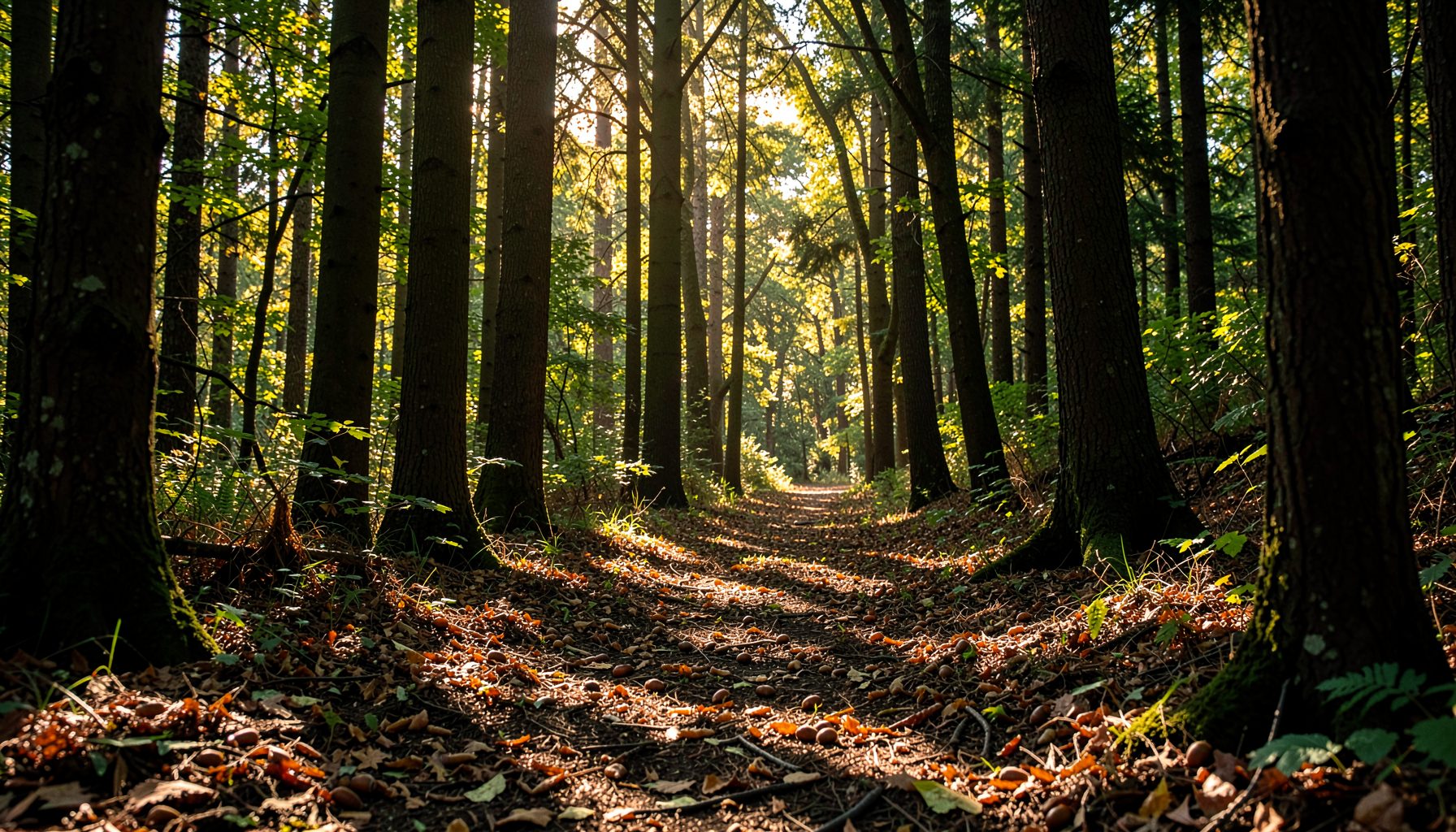
Thank-You Notes for Trees That Build Team Morale
The reason why giving each tree a personalized thank you note boosts team morale is easy to see on a volunteer planting day. A handwritten card turns a routine task into a shared acknowledgement: the crew has placed a living native tree in the landscape and can name the work that brought it there. The gesture is small, but it gives each volunteer a visible part in a result that will unfold for years.
Each note should feel personal rather than mass-produced. It can identify the tree species, planting site, seed source, crew name and one hoped-for benefit, such as cooler streambanks, better habitat or cleaner runoff. Volunteers can write on recycled card, fasten it beside the sapling with loose natural twine and avoid tape against bark. Keep it clear of the trunk so the note never becomes a constraint as the tree grows.
Growing Native already connects many unseen stages: volunteers collect native hardwood and shrub seeds across the Potomac River watershed, state nurseries grow the seedlings, and streamside plantings restore forests and waterways. A thank-you note can make that wider chain tangible. When a nursery team receives donated seed, it can record the collector’s dedication; when a planting crew sets out a seedling, it can acknowledge the seed, the site and the people who prepared the path. Tree-identification walks and forest-ecology education also give volunteers the vocabulary to describe that role accurately.
Although Growing Native operates in the United States, the practice fits Australian traditions of National Tree Day and Landcare. A crew could use it beside a Melbourne urban creek, a Brisbane subtropical gully or a Perth water-wise planting. The familiar volunteer-day rhythm—morning tea, gloves, a group photo and sometimes a sausage sizzle—offers a natural place for a note-writing moment that feels communal rather than ceremonial.
Personal recognition makes effort feel worthwhile
Planting can be physically demanding and visually repetitive: dig, position, backfill, mulch, water. A personal note interrupts that sequence by allowing the crew to slow down and recognise what has changed. Each card states that a particular person was present for a particular act of care. That specificity supports dignity, meaning and pride in work.
For morale, the effect is greater when recognition is shared. At the start, volunteers exchange thanks for the digging, carrying, watering or administration that usually disappears into the overall job. At the end, two or three volunteers can read their tree’s card aloud. The tree becomes a symbol of the whole group’s effort, while the handwritten names keep individual contributions visible.
The note should acknowledge effort rather than promise instant results. A new sapling may look modest beside established forest, and ecological recovery takes years. Saying “thank you for helping this tree survive its first summer” is honest and meaningful. It links today’s small action to long-term stewardship without pretending that one card can replace sound ecological practice.
Build the note into the volunteer day
The best timing is before planting. Give each volunteer a card at the briefing and pair them with a tree or planting position. Ask them to write the species, site, team name and a sentence of appreciation. A marker and recycled card are enough, but teams can obtain natural twine and sustainable stationery from a local hardware or garden centre rather than using plastic ribbons or plastic-coated labels.
Keep the ritual brief. Ten minutes of writing can produce a stronger memory than a long speech, especially when volunteers arrive at different times or need a slower task. Participants who prefer not to speak publicly can still make their mark privately. Teams can use large-print templates, short sentences and plain language, ensuring the activity welcomes children, older volunteers and people with different levels of writing confidence.
Then connect the card to the action. Read one line from a volunteer as they settle the seedling, or ask each team to place its note on a nearby stake after watering. This creates a visible connection between intention and care. It also makes photographs richer: volunteers are documenting a living project, not merely completing a task, which can help sustain momentum when weather, funding or future replanting demands extra effort.
Tie every card to ecological purpose
A thank-you note becomes useful field documentation when it records why the tree belongs at that site. Native trees and shrubs can stabilise streambanks, intercept sediment, provide shade and host insects, birds and small mammals. The card can name one of those roles and invite the crew to return and check whether the plant is establishing. This turns gratitude into a practical promise.
Seed provenance deserves a place on the card. The ecological value of a planting can depend on using suitable local genetic material, and drier upland seed collection explains why diversity matters when seeds come from drier sites. A volunteer collector and a streamside planting crew can then understand that their work is part of a deliberate effort to protect varied, resilient populations rather than create a uniform green belt.
In Australia, the same card can acknowledge locally appropriate outcomes: summer shade in a Melbourne street planting, riparian recovery around Brisbane after heavy rain, or drought-wise survival in Perth. It can also invite seasonal care—watering during a dry spell, checking ties after wind, replacing a failed seedling and recording survival. Each follow-up offers another reason for the original team to feel that its effort mattered.
A useful format for every tree note
Start with a simple card that can be completed in a few minutes and understood without extra explanation. The wording should be warm, specific and connected to the work already happening at the site. Avoid vague praise such as “good job”; explain the action, the place and the future contribution.
- Name the tree species and planting site so the card can support monitoring.
- Credit every person who collected, carried, planted, watered or cared for the seedling.
- State one ecological benefit, such as shade, erosion control, habitat or improved water quality.
- Add a concrete promise, such as checking establishment through the first summer.
- Use recycled paper, non-toxic ink and loose natural twine, keeping all materials clear of the trunk.
After the event, ask volunteers to sign the project record or share a photograph of the card and tree. Retain the information in a digital scrapbook, while removing temporary tags when they could damage growth or degrade into litter. The note may leave the field, but its message can remain visible through monitoring, education and the crew’s shared sense of accomplishment.
Turn gratitude into continued stewardship
A thank-you note works best as the beginning of a relationship, not a disposable souvenir. Build the planting plan so the same people return after a month, a season or a year. Invite them to compare survival rates, photograph canopy growth and add observations to the tree record. Recognition then becomes an ongoing practice of noticing contribution, and repeated contact gives volunteers both purpose and evidence that their work produced a living result.
Access matters at every stage. A crew member unable to kneel at the bed can map positions, prepare cards, refill water or monitor tagged saplings from a path. The same principle applies to seed collection, where route design, rest points and adaptable roles can make participation possible. Accessible seed collection planning offers a practical guide to those choices, helping Growing Native include more people from the outset rather than adding accommodations after an event.
The next step is simple: explore Growing Native’s volunteer opportunities for families, schools, community groups and workplaces, choose a planting date, and prepare one recycled card and marker per seedling. Before the dig begins, invite each volunteer to write what they hope the tree will contribute to the creek, habitat or neighbourhood. Then plant it, attach the card safely, and plan the first return visit. Every thank-you note becomes a small public record of shared care, and every returning crew gives the note lasting force.