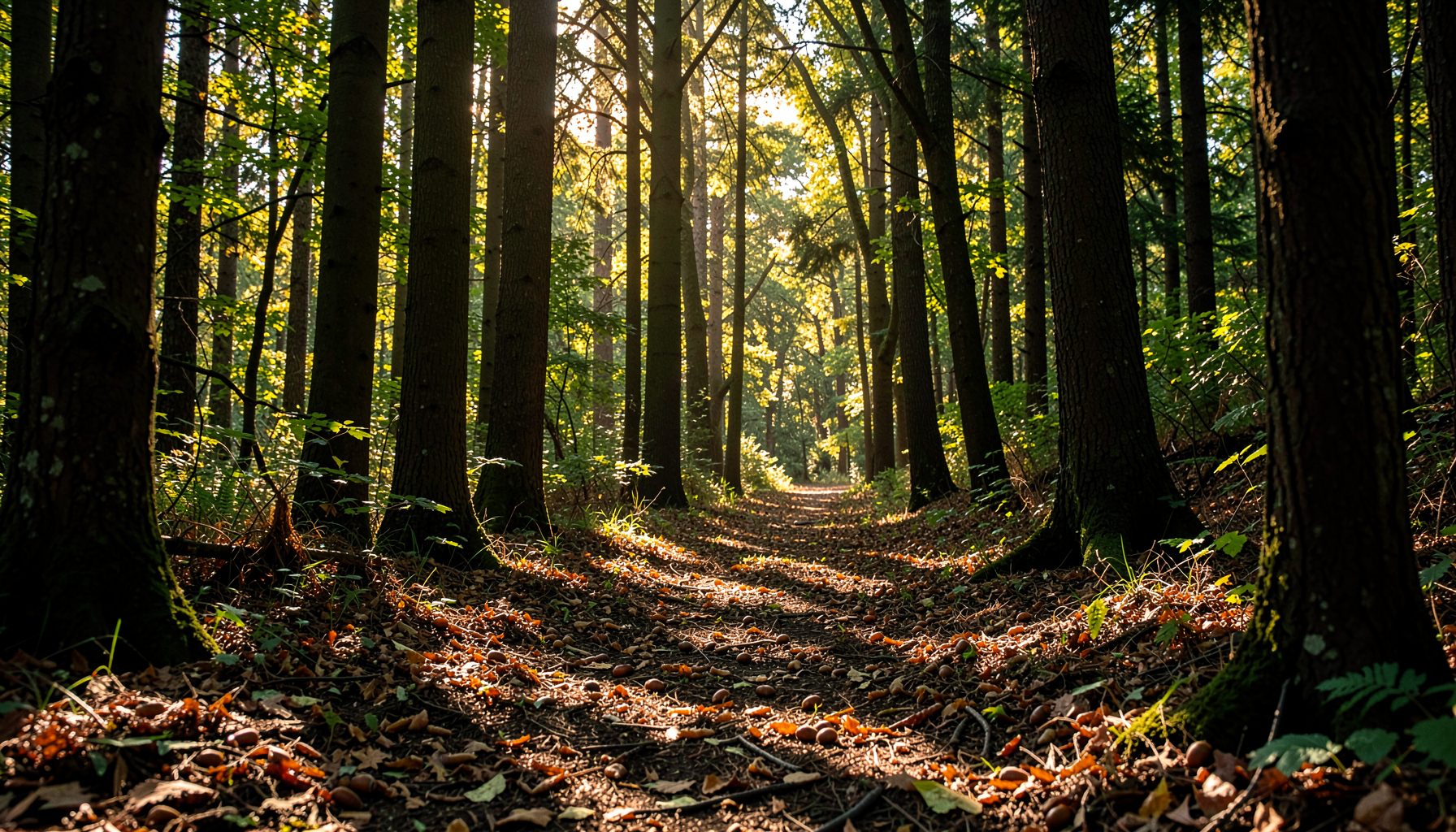
Why Eastern Hemlocks Matter to Forests and Streams
Eastern hemlock trees are among the most valuable native evergreens in the Appalachian region. Their dense, year-round foliage creates deep shade, while their roots stabilize streambanks and their fallen needles contribute organic matter to forest soil. In the Potomac River watershed, healthy hemlock stands can shape the temperature, structure, and biological health of entire stream corridors.
These trees occupy cool ravines, steep slopes, rocky coves, and streamside forests from southern Canada through the eastern United States. Their ecological importance extends well beyond their appearance. A mature hemlock can influence water quality, wildlife habitat, erosion patterns, and the ability of a watershed to withstand hot, dry weather.
Protecting existing trees and restoring native forest cover are connected efforts. Seed collection, native plant propagation, volunteer stewardship, and careful management can help communities maintain the shaded waterways that support both people and wildlife.
A Natural Shade Provider
Eastern hemlock is exceptionally tolerant of low light. Its broad, layered branches form a thick evergreen canopy that filters sunlight throughout the year. Along narrow streams, this shade can keep water temperatures lower than they would be beneath a sparse or deciduous canopy, especially during the hottest part of summer.
Cold-water species such as brook trout depend on suitable temperatures and well-oxygenated water. Aquatic insects, salamanders, and other stream organisms also respond to changes in temperature and moisture. When hemlock branches shade the channel and nearby soil, they help preserve the cool, damp conditions associated with healthy headwater habitats.
The effect is strongest where hemlocks grow in clusters or occupy steep stream valleys. Their foliage can shade the stream from several angles, while trunks and exposed roots add structure to the forest floor. Even a single mature tree contributes to a cooler, more stable microclimate beneath its canopy.
How Hemlocks Protect Waterways
Hemlock roots help hold soil in place along banks and slopes. Their root systems bind loose material, reducing the amount of sediment that washes into the channel during heavy rain. Stable banks protect aquatic habitat, maintain clearer water, and reduce the need for costly restoration work downstream.
The trees also intercept rainfall before it reaches the ground. Branches and needles slow the movement of water, giving soil more time to absorb it. This can moderate runoff on steep terrain and reduce the sudden surges that scour streambeds and carry pollutants toward the Potomac River.
Leaf litter and woody debris provide another important connection. Needles, twigs, and fallen branches become habitat and food resources for decomposers and aquatic insects. Healthy leaf litter supports stream processes in many forest types, as explained in this guide to fallen leaves, which describes how organic material fuels aquatic food webs and helps regulate soil moisture.
Wildlife Habitat Across The Seasons
A mature hemlock forest offers shelter during every season. Its evergreen branches provide nesting cover, escape habitat, and protection from wind, snow, and temperature swings. Birds such as black-throated green warblers, dark-eyed juncos, and winter wrens may use hemlock-dominated forests, while mammals find cover beneath the low, overlapping boughs.
The shaded understory can support plants and animals that struggle in hotter, brighter environments. Mosses, ferns, liverworts, and shade-loving wildflowers often thrive where humidity remains high and the forest floor is protected from direct sun. These plant communities contribute to soil stability and create additional habitat for insects, amphibians, and small woodland animals.
Hemlocks also contribute large woody material as they age and fall. Downed logs create shelter, retain moisture, and slowly return nutrients to the soil. Snags and fallen trunks can form pools, deflect flow, and increase the physical variety of a stream corridor when they enter the channel naturally.
The Threat Of Hemlock Woolly Adelgid
Eastern hemlock faces a serious threat from hemlock woolly adelgid, an invasive insect first detected in the eastern United States in the twentieth century. The tiny insects feed at the bases of needles, disrupting the tree’s ability to transport water and nutrients. White, wool-like ovisacs on young branches are a common sign of infestation.
Infested trees may develop thinning crowns, gray or faded foliage, and premature needle loss. Some decline over several years, while others die more quickly under drought, heat, or additional stress. The loss of mature hemlocks can open the canopy, raise stream temperatures, accelerate understory changes, and expose banks to greater erosion.
Conservation responses include monitoring, targeted insecticide treatments, biological control research, and protection of surviving trees. Treatments may be appropriate for high-value trees near streams, trails, parks, or important wildlife habitat, but they require careful planning to protect water quality and avoid unnecessary chemical use.
When hemlocks disappear, replacement with any fast-growing tree is not an equivalent solution. A mixed native forest can restore shade and structural diversity, yet the ecological functions of an evergreen canopy may take decades to return. Protecting established trees is therefore a critical part of watershed stewardship.
Choosing Native Trees For Restoration
Eastern hemlock should be considered within a larger planting strategy rather than as a single answer for every site. It prefers moist, well-drained soils and cool conditions, often growing on slopes, ravines, and stream margins. Young trees need protection from browsing, competition, drought, and mechanical damage while their roots become established.
Site conditions matter. Soil texture, drainage, slope, sunlight, deer pressure, and flood frequency should guide species selection. A useful resource on native clay-soil trees can help landowners match planting choices to difficult ground conditions instead of forcing one species into an unsuitable location.
A resilient streamside planting may include hemlock alongside river birch, sycamore, red maple, black gum, spicebush, winterberry, and other locally appropriate native trees and shrubs. Diversity spreads risk. If one species experiences disease, pests, or climate stress, other plants can continue to provide shade, roots, flowers, fruit, and cover.
| Restoration need | Contribution of Eastern Hemlock | Helpful companion plants or practices |
|---|---|---|
| Cool stream water | Dense evergreen shade reduces direct solar heating | Layered native canopy and understory |
| Bank stability | Roots reinforce soil on slopes and stream margins | Deep-rooted trees, shrubs, and live stakes |
| Wildlife cover | Year-round branches provide shelter and nesting structure | Native evergreens, shrubs, snags, and logs |
| Runoff control | Canopy and litter slow rainfall and surface flow | Leaf litter retention and undisturbed soil |
| Long-term resilience | Adds a distinctive cool-forest habitat type | Diverse native species and regular monitoring |
Practical Care For Hemlock Landscapes
Landowners and volunteers can begin by mapping existing hemlocks and checking them each year for thinning foliage or woolly adelgid signs. Monitoring is especially valuable near streams, where the ecological consequences of canopy loss can be substantial. Photographs taken from the same locations over time can reveal gradual decline that might otherwise go unnoticed.
Avoid disturbing roots, compacting soil, or clearing the entire understory around mature trees. A natural layer of leaves, needles, and woody debris helps conserve moisture and supports decomposers. Paths, utility work, and construction should be routed away from critical root zones whenever possible.
Useful stewardship actions include:
- Inspect hemlock branches for white woolly masses in late winter and spring.
- Report significant infestations to local forestry or conservation professionals.
- Keep streamside soils covered with native vegetation and leaf litter.
- Control invasive vines and shrubs that compete with young trees.
- Plant a diverse mix of locally suitable native trees and shrubs.
Community groups can support restoration by collecting approved native seeds, learning tree identification, and helping nurseries raise plants for future streamside projects. Schools and workplaces can connect volunteer events with lessons about forest ecology, erosion control, and watershed health. These activities turn an individual tree into part of a broader conservation network.
Shade, Water, And Community Stewardship
Healthy forested streams depend on relationships among canopy, soil, roots, leaves, and flowing water. Eastern hemlocks are especially important because they maintain shade when many other trees have lost their leaves. Their presence helps preserve cool refuges for aquatic life and damp forest conditions for plants and wildlife.
The benefits also extend beyond the stream channel. Stable banks reduce sediment pollution, forest cover slows runoff, and native vegetation supports pollinators and birds. Together, these functions improve the resilience of watersheds that provide drinking water, recreation, and habitat across the Potomac region.
Growing Native’s conservation model reflects this connected approach. Volunteers can contribute through native seed collection, educational programs, and community restoration efforts that support state nurseries and future planting projects. While hemlock restoration requires specialized planning, every healthy native tree added to a watershed strengthens its capacity to filter water, hold soil, and endure environmental stress.
Help Protect The Potomac Watershed
Eastern hemlocks deserve attention because their value is measured in living systems: cooler streams, steadier banks, richer forest floors, and safer habitat through every season. Protecting mature trees, monitoring threats, and planting diverse native vegetation can preserve these benefits for generations.
Join Growing Native’s volunteer network to learn local tree identification, collect native seeds, and support restoration across the Potomac River watershed. Whether you participate as an individual, family, school, community group, or workplace, your time can help grow the forests that keep waterways healthy.