Why Wetland Tree Seeds Matter for Riparian Restoration
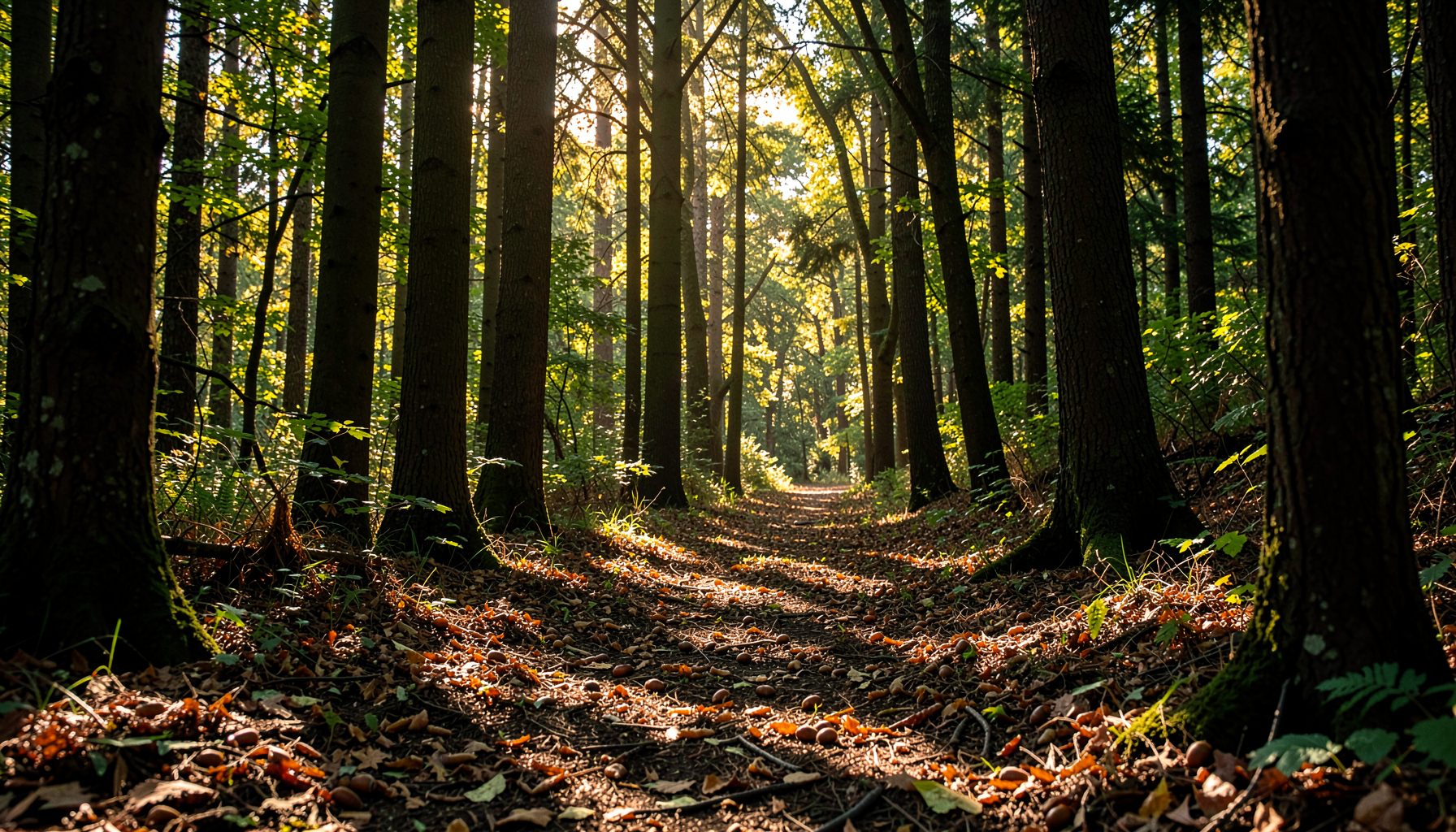
Healthy streamside forests begin long before a seedling is planted beside a river. They begin when native trees produce acorns, walnuts, samaras, berries, and other seeds that can become the next generation of roots, trunks, and branches. Collecting those seeds from wetland and floodplain trees connects local ecosystems with restoration projects that need well-adapted planting material.
Riparian buffers are bands of trees, shrubs, and grasses along streams, wetlands, and rivers. They filter runoff, stabilize soil, cool the water, provide wildlife habitat, and help slow floodwater. When these buffers are damaged by development, agriculture, invasive plants, or severe storms, native seed collection offers a practical way for communities to help rebuild them.
Across the Potomac River watershed, volunteer-collected seeds can be sent to nurseries, grown into healthy seedlings, and returned to restoration sites. The process turns a seasonal outdoor activity into long-term watershed stewardship, with benefits that may continue for decades after the original acorn or walnut was gathered.
Why wetland trees matter to waterways
Trees growing near wetlands and streams are adapted to conditions that can be difficult for many upland species. Their roots tolerate periodic flooding, saturated soils, shifting sediments, and changing water levels. Species such as sycamore, river birch, black walnut, swamp white oak, red maple, and various willows can establish in places where less suitable trees would struggle.
A mature riparian tree performs several jobs at once. Its roots hold streambanks together and reduce erosion during heavy rain. Fallen leaves feed aquatic insects and microorganisms, while branches and trunks create cover for fish, amphibians, and small mammals. Overhead foliage shades the water, helping maintain cooler temperatures that support sensitive aquatic life.
Wetland forests also improve water quality by slowing the movement of stormwater across the landscape. Nutrients and sediment can be captured by vegetation and soil before they reach a stream. As a result, restoring a tree buffer can help reduce muddy water, excess nutrients, and the loss of valuable topsoil downstream.
From a local seed to a living forest
Seed collection preserves a direct connection between restoration plantings and the region where they will grow. Local or regionally appropriate seed sources may be better suited to the area’s climate, seasonal cycles, soil types, and hydrology than plants selected without regard to geography. This does not guarantee that every seedling will survive, but it gives restoration programs useful biological information and stronger local relevance.
An acorn may appear simple, yet it contains the beginnings of a root, stem, and leaf system. Its journey includes pollination, fruit development, fall dispersal, dormancy, germination, nursery cultivation, planting, and years of growth. The acorn life cycle shows how a brief collection season fits into the much longer renewal of a watershed.
Timing and handling influence whether collected seeds become viable nursery stock. Volunteers generally gather mature, healthy seeds from approved native trees, avoid damaged or moldy specimens, and follow instructions for labeling and delivery. Nurseries can then clean, sort, store, and germinate the seeds under controlled conditions before distributing young trees for streamside projects.
What seed collection contributes to restoration
Seed gathering helps address a basic supply issue in reforestation: restoration projects require large numbers of native plants, and nurseries need dependable sources of seed. A single community collection event may produce hundreds or thousands of viable seeds. Repeated across a season and a watershed, these contributions can support a substantial pipeline of future seedlings.
The impact extends beyond the number of trees eventually planted. Gathering seeds raises awareness of native species and gives people a close look at forest reproduction, food webs, and seasonal change. Participants learn to recognize trees, understand why some seeds ripen earlier than others, and see how forests regenerate naturally.
| Restoration benefit | How wetland tree seeds help | Long-term effect |
|---|---|---|
| Streambank stability | Produce trees with deep, spreading root systems | Less erosion and sediment loss |
| Cleaner water | Support dense vegetation that slows runoff | Fewer nutrients and pollutants entering streams |
| Flood resilience | Establish woody plants that intercept rainfall and floodwater | Reduced flow energy in vulnerable areas |
| Wildlife habitat | Grow native trees that provide food, cover, and nesting sites | Greater habitat continuity |
| Climate adaptation | Preserve seed from regionally suitable species | More informed, locally grounded planting |
| Community stewardship | Involve residents in seasonal restoration work | Stronger care for watershed resources |
A restored buffer also becomes a source of future ecological renewal. Once trees mature, they can produce their own seeds, create shade for younger plants, and expand habitat along the waterway. This succession makes restoration a living process rather than a one-time landscaping project.
How seed collection supports riparian buffers
A successful riparian buffer usually contains several layers of vegetation. Groundcovers and grasses protect the soil surface, shrubs occupy the lower layer, and trees form a canopy over time. Seeds from wetland trees help provide the upper layer that anchors the structure and creates conditions for other native plants to thrive.
Canopy development is especially important along warm, exposed streams. As branches spread, they shade the channel and reduce the amount of sunlight reaching the water. Cooler water can hold more dissolved oxygen and may offer better conditions for aquatic organisms. Leaf litter and woody debris also add organic matter, supporting the small organisms that form the foundation of stream food webs.
Tree roots can improve the physical structure of a floodplain as well. They bind soil particles, create channels for water movement, and increase the ground’s ability to absorb rainfall. During high flows, a wooded buffer can slow water and trap sediment across a broader area. These functions help protect both the stream and nearby communities from the effects of rapid runoff.
Collecting responsibly and safely
Responsible collection begins with identification. Volunteers should gather only the species requested by the restoration program and avoid collecting from trees that may be planted in unsuitable conditions. A field guide, educational workshop, or program coordinator can help distinguish native wetland trees from invasive or ornamental species.
The health of the parent tree matters as well. Seeds should come from vigorous trees that show no obvious signs of disease, severe insect damage, or environmental stress. Collectors should leave enough fruit for wildlife and natural regeneration. Taking every seed from a tree can reduce food availability for birds, squirrels, deer, and other animals that depend on seasonal mast.
Collection should also respect land ownership and site rules. Public parks, private properties, conservation areas, and municipal lands may have different permissions. Volunteers can reduce damage by collecting fallen seeds where appropriate, avoiding broken branches, and using clean containers that allow air circulation. Prompt delivery and accurate labeling help nurseries maintain seed quality and track its origin.
Turning participation into watershed stewardship
Seed collection is accessible because it can fit many schedules and group sizes. Individuals may gather during a walk, families can make it a seasonal outdoor activity, and schools can connect fieldwork with lessons in biology, geography, and climate. Workplaces and civic groups can use collection events to combine service with environmental education.
Programs such as Growing Native coordinate these efforts by connecting volunteers with seed needs, collection guidance, and broader restoration goals. Their work across the Potomac River watershed helps transform locally gathered acorns, walnuts, and other native seeds into streamside seedlings for future planting.
Participants can deepen the experience by recording the tree species, collection date, general location, and habitat conditions. These observations help people notice how flowering, fruiting, rainfall, and temperature vary from year to year. Over time, community involvement can contribute to a stronger understanding of seasonal patterns and changing forest conditions.
The educational value continues after the collection event. A seed can prompt conversations about watershed boundaries, groundwater, erosion, invasive species, carbon storage, and the relationship between forests and clean drinking water. When people understand those connections, they are more likely to support maintenance, invasive plant removal, and protection of existing buffers.
Practical ways to make collection count
- Learn the requested native species before entering the field, using a reliable identification guide or program materials.
- Collect mature, healthy seeds in clean containers and keep species and locations clearly separated.
- Leave a reasonable share of seeds for wildlife and natural forest regeneration.
- Follow permission, safety, weather, and access requirements for every collection site.
- Deliver seeds promptly according to the restoration program’s instructions.
The strongest results come from consistency. One collection day may feel small compared with the scale of watershed degradation, yet repeated efforts build a dependable source of planting material and a wider network of informed volunteers. Each seed represents a potential tree, and each tree can eventually support cleaner water, steadier streambanks, and richer habitat.
Riparian restoration also requires care after planting. Seedlings need protection from browsing, competition from invasive plants, drought, and flooding while their root systems develop. Volunteers who begin with seed collection may later contribute to planting days, monitoring, watering, or educational outreach, creating a continuous connection between forest regeneration and community action.
Collecting seeds from wetland trees is a direct investment in the future health of the Potomac River watershed. Gather native seeds responsibly, learn from the trees around local waterways, and take part in the work that carries those seeds from forest floor to restored riparian buffer. Explore the program at Growing Native and help provide the next generation of streamside forests.