How collecting black cherry seeds supports migrating birds
Black cherry trees (Prunus serotina) stand quietly along the edges of forests and streams, yet each autumn their small dark drupes feed countless migratory birds preparing for long journeys south. Across the Potomac River watershed, where Growing Native has spent years rebuilding streamside habitat, these trees are a cornerstone species that ties forest regeneration directly to bird survival. The act of gathering fallen fruit and donating the seeds to community nurseries multiplies that impact far beyond what a single tree could do on its own.
For readers in Australia, the same biological principles apply wherever native fruiting trees meet migratory pathways. Volunteer networks from Melbourne to Brisbane have long partnered with Landcare and bushcare groups to restore indigenous vegetation, and many of the lessons learned on the Appalachian slopes translate directly to eucalypt woodlands and eastern watercourses. This article explores the science behind black cherry as a migratory fuel source, the practical mechanics of volunteer-led seed collection, and the ways ordinary people on either side of the Pacific can play a role in keeping migration routes alive.
The ecological role of black cherry in bird migration
Black cherry is considered a keystone fruiting species across much of eastern North America, and ornithologists have documented more than eighty bird species feeding on its fruit. Thrushes, vireos, tanagers, orioles, and several warbler species rely on the high-sugar, moderate-fat drupes during the late-summer and early-autumn window when they need to build energy reserves for migration. The fruit clusters form in late July and mature through August and September, perfectly coinciding with the southbound push of many Neotropical migrants that pass through the mid-Atlantic region.
Beyond simply providing calories, black cherry trees structure the forest understory in ways that benefit ground-foraging migrants. Their drooping branches create dense leaf litter, attracting invertebrates that supplement the diets of birds refuelling between flights. The trees also grow well in disturbed riparian zones, where their roots stabilise soil and their canopies shade streams, indirectly supporting aquatic food webs that feed shorebirds and waterfowl.
Why seed gathering from black cherry multiplies habitat value
A mature black cherry can drop thousands of seeds in a single season, but most of those seeds are eaten by rodents, crushed underfoot, or lost to flooding before they ever germinate. When volunteers gather fruit directly from the forest floor, they redirect a portion of that seed rain into controlled nursery conditions where germination rates climb dramatically. The resulting seedlings are then planted back into degraded streamside buffers, where they establish quickly and begin producing fruit within five to ten years.
This is the model that Growing Native has refined along the Potomac: small crews of trained volunteers collect seed in autumn, the material is cleaned and stratified through winter, and bare-root seedlings leave state nurseries the following spring for restoration projects. Each donated kilogram of seed translates into hundreds of new trees, and each new tree becomes a future feeding station for the next generation of migrants. The mathematics of restoration turn a casual walk in the woods into measurable habitat gain.
How migration timing aligns with cherry fruiting
Southbound migration is not a single event but a staggered procession, with different species moving through at different weeks depending on their distance to travel. Black cherries fruit during a specific window that overlaps with some of the hungriest travellers: juveniles making their first migration, late-nesting warblers that missed earlier food pulses, and thrushes that rely heavily on fruit during the final leg of their journey to the tropics.
Fat content in black cherry drupes sits around four to six percent by weight, higher than many earlier-ripening native fruits and substantially higher than ornamental cherries planted in suburban gardens. For a Swainson's thrush adding grams of fat before an eighteen-hour overwater flight, that extra energy density can be the difference between reaching the Caribbean and falling short. Removing black cherry from the landscape effectively shortens the runway for these birds.
Native fruit-bearing trees versus ornamental substitutes
Land managers sometimes wonder whether ornamental fruit trees in parks and gardens can substitute for natives like black cherry. The summary below highlights key differences between the two categories.
| Feature | Black cherry (native) | Ornamental cherry (non-native) |
|---|---|---|
| Fruit fat content | 4–6 percent | 1–2 percent |
| Typical ripening window | Late August to early October | May to early July |
| Documented bird species feeding | 80+ | 10–15 |
| Root depth and soil stabilisation | Deep taproot, 4–6 m | Shallow, often surface roots |
| Long-term site suitability | Thrives in riparian zones | Struggles in wet soils |
| Maintenance once established | Low | Moderate to high |
The contrast is stark. Ornamental cherries bloom beautifully in spring but offer little when migrants need fuel most. Investing volunteer hours in native species like black cherry delivers benefits that compound across decades.
The path from forest floor to state nursery
Volunteers participating in Growing Native's seed network typically receive training on species identification, ethical harvest limits, and basic seed handling before their first outing. Most groups meet on weekend mornings in autumn, walking designated sections of public land or permitted private property with collection bags, hand pruners, and field guides. The collected material is weighed, labelled by location, and transported to a regional processing facility.
Australian readers will recognise the structure. Bushcare groups around Sydney Harbour, the Yarra River in Melbourne, and the Brisbane River corridor run analogous programmes for species like bangalay palm, lilly pilly, and various native figs. The institutional model, from volunteer training to nursery partnerships, transfers easily. What matters is matching the right local species to the right migration or dispersal pathway.
Responsible seed harvesting practices
Sustainable harvest means taking no more than twenty percent of available seed from any given tree or stand, leaving the remainder for wildlife and natural regeneration. Collectors should spread their efforts across multiple trees to preserve genetic diversity and avoid selecting only the most accessible individuals. Fruits should be fully ripe, indicated by dark purple-black colour and slight softness, rather than picked green for easier transport.
Once fruit is gathered, the next step is cleaning and preparation, a stage where many well-intentioned collections go wrong. Detailed protocols for removing pulp, drying, and stratifying black cherry seeds are available in the seed preparation guide developed by experienced restoration practitioners. Following these steps prevents mould, maintains viability, and ensures the receiving nursery receives material that will actually grow.
Practical guidance for healthy seed donations
Seed viability drops quickly if fruit is left in plastic bags for more than a few days. Volunteers are encouraged to process material within forty-eight hours or to spread it thinly on screens in a cool, ventilated space. Labelling matters: each bag should record species, collection date, county or shire, and the collector's name. That metadata helps nurseries match seedlings to appropriate planting sites and tracks the geographic origin of restored populations.
Educational resources for new volunteers, including identification videos, printable field cards, and seasonal calendars, are available through Growing Native's volunteer education portal. In Australia, the Australian Native Plants Society runs similar programmes through state branches, and many botanic gardens in Adelaide and Perth host seed-collecting workshops during their autumn months. The skills overlap is greater than people assume, and learning one system often accelerates comfort with the other.
Recommendations for volunteer seed collectors
- Identify at least three target native fruiting species in your region before the season starts, and learn their ripening cues
- Coordinate with a local nursery or Landcare group to confirm species demand before collecting
- Harvest on dry days after dew has evaporated to reduce mould risk during transport
- Label every bag with species, date, location, and collector details at the point of collection
- Process fruit within forty-eight hours, or set up a screened drying area in advance
- Keep a field notebook comparing observed wildlife use across different stands from year to year
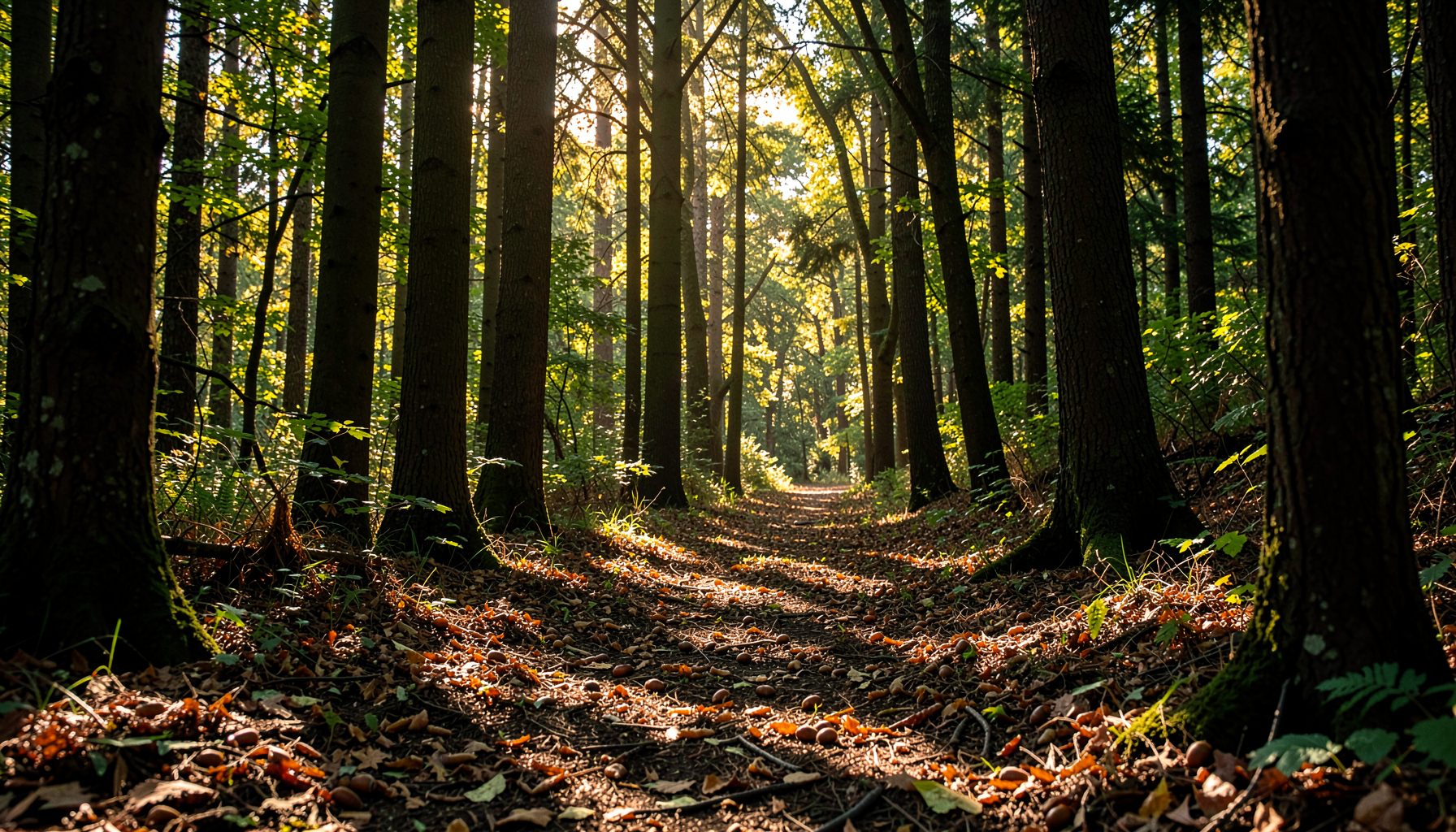
As autumn light slants through the canopy and black cherry drupes darken along the forest edge, the season opens for one of the most rewarding forms of conservation work available to ordinary people. Each seed lifted from the leaf litter carries the potential to become a future feeding stop, a shaded stream, and a roosting site for migrants that have flown thousands of kilometres. The chain from a volunteer's gloved hand to a thrush refuelling on a frosty morning is longer than it looks, yet it runs through nurseries, planting sites, and growing forests built one seedling at a time.
If you live near the Potomac watershed, sign up for a collection day, gather a few friends or colleagues, and bring a pair of gloves. If you live in Australia, reach out to a bushcare coordinator or native plant society branch and ask which local species need supporting. Migration connects hemispheres, and the work of keeping it aloft is something anyone with sturdy boots and a reusable bag can join.