Productive Native Trees for Fall Seed Collection
Fall is one of the most rewarding seasons for gathering native tree seed in the Potomac River watershed. Acorns drop under mature oaks, winged nuts loosen from hickories, and black walnuts begin to fall into leaf litter and roadside edges. These seeds can become the next generation of trees planted along streams, on forest edges, and across degraded watershed land.
The most useful seed trees are productive, locally adapted, and suited to the growing conditions where seedlings will eventually be planted. A healthy native tree that produces abundant, viable seed can support restoration far beyond its own canopy. Collection is especially valuable when the seed is donated to a nursery that grows trees for conservation projects.
Understanding when each species ripens makes collection more efficient. It also helps volunteers avoid gathering immature, damaged, or poorly stored seed. The strongest fall collection efforts combine careful observation, species identification, responsible harvesting, and a clear destination for every seed.
Why Fall Is An Important Collection Season
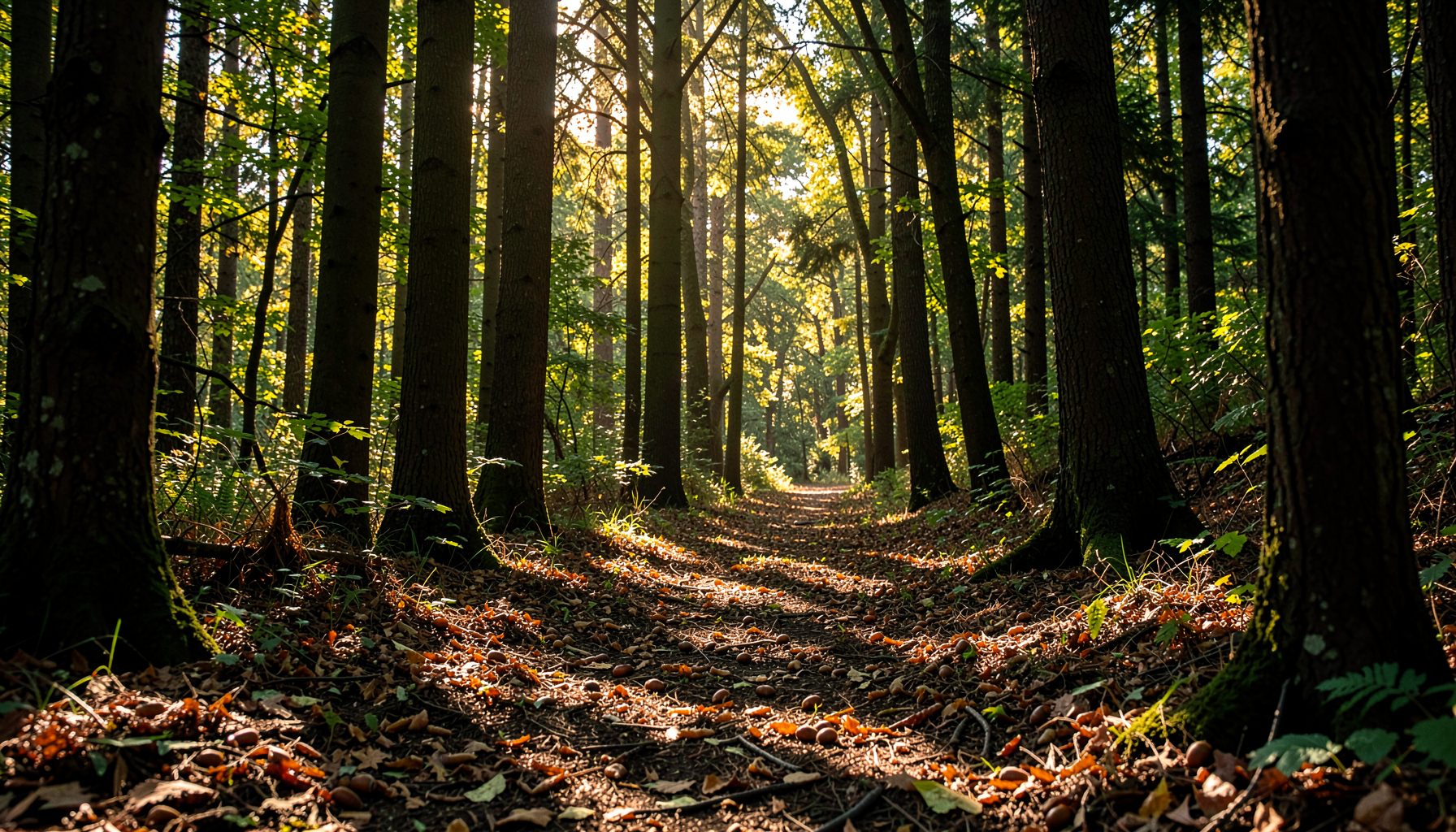
Many native hardwoods release seed as the growing season ends. Cooler weather makes outdoor work more comfortable, while fallen leaves can make large seeds easier to spot. In mast years, a single mature tree may produce hundreds or thousands of acorns or nuts, creating a valuable source of planting material.
Seed production varies from year to year. Oaks and hickories may produce a heavy crop after favorable spring weather, adequate summer moisture, and successful pollination. A tree that appears sparse one autumn may be highly productive the next, so recording productive individuals over several seasons helps build a reliable collection network.
The best collection sites are free from contamination, easily accessible, and representative of local forest conditions. Seed gathered near the Potomac and its tributaries can preserve regional adaptations to soil, rainfall, seasonal temperatures, and flooding. Volunteers should always ask permission before collecting on private property or protected land.
Oaks Provide Abundant, High-Value Acorns
Oaks are among the most productive native trees for fall seed collection. White oak, swamp white oak, chestnut oak, northern red oak, scarlet oak, and black oak all contribute valuable acorns, though their ripening schedules differ. Oak seedlings support forest structure and provide food for wildlife, making these trees important for both restoration and biodiversity.
White oak group acorns often mature and fall during the same year they develop. They may begin dropping in September, with collection continuing into October. Red oak group species commonly take two growing seasons to mature, and their acorns may fall from late September through November. Because timing varies by species and weather, collectors should examine the tree rather than rely on a calendar alone.
Choose acorns with intact shells, a natural brown color, and enough weight to feel solid in the hand. Discard acorns with small exit holes, soft spots, mold, or severe cracking. A simple float test can identify many damaged acorns, although some viable seed may also float, so flotation should support visual inspection rather than replace it.
Hickories And Walnuts Reward Careful Gathering
Hickories produce nutritious nuts enclosed in husks that may split as they mature. Shagbark hickory, shellbark hickory, mockernut hickory, and pignut hickory are useful native species in the region. Their nuts generally mature from September into October, with some continuing into November. A productive hickory can provide a substantial crop beneath its broad crown.
Black walnut is another excellent fall collection species. Large green husks fall from September through October, often making the tree easy to identify even before its leaves turn. Walnuts should be gathered promptly because prolonged contact with damp ground can encourage decay. The husks stain skin and clothing, so gloves and durable containers are practical equipment.
Hickory nuts and walnuts need careful handling after collection. Keep different species and collection sites separate, label them with the date and location, and protect them from heat and drying. Many native tree seeds are “recalcitrant,” meaning they lose viability if allowed to dry completely. Following reliable collection instructions helps preserve seed quality between the forest and the nursery.
| Native tree | Typical fall collection period | Signs of mature seed | Restoration value |
|---|---|---|---|
| White oak | September–October | Brown acorns drop freely; caps detach easily | Upland forests, wildlife habitat |
| Swamp white oak | September–October | Full-sized acorns beneath moist-site trees | Wet meadows, floodplains, stream corridors |
| Northern red oak | October–November | Firm acorns with mostly sound shells | Upland slopes, mixed hardwood forests |
| Shagbark hickory | September–October | Husks split; nuts fall beneath the canopy | Forest diversity, wildlife food |
| Black walnut | September–October | Heavy green husks fall from the crown | Bottomlands, fertile woodland soils |
| American sycamore | Late fall–winter | Fuzzy seed balls mature and persist on branches | Streambanks, flood-prone soils |
| River birch | October–November | Tiny seeds release from mature catkins | Wet edges, erosion-prone streambanks |
| Tulip poplar | October–November | Cone-like fruit clusters turn brown and loosen | Fast-growing forest restoration |
Sycamore, Birch, And Poplar Add Diversity
Large-seeded species often receive the most attention, but several trees with smaller or enclosed seeds are valuable for restoration. American sycamore produces round, fuzzy seed balls that may remain on the tree into late fall and winter. The seed is small, yet sycamore grows well in bottomlands and along streams where its spreading roots help stabilize soil.
River birch is especially suited to wet ground, stream margins, and areas that experience periodic flooding. Its tiny seeds mature in catkin-like structures during autumn. Because the seed is light and easily dispersed, collection may require gathering mature catkins before they break apart and storing them in labeled paper bags until processing.
Tulip poplar develops cone-shaped fruit clusters that separate into individual winged seeds in late fall. The species grows quickly in suitable soil and can contribute to reforestation on moist, fertile sites. Its seed is less convenient to collect and store than an acorn, but productive trees can provide large quantities when the fruit clusters are harvested at the right stage.
Streamside species have a direct connection to water quality. Their roots slow erosion, capture sediment, and help filter nutrients before runoff reaches a creek. Growing Native explains this function in its resource on streamside forest benefits, which connects seed collection with broader watershed health.
How To Identify A Productive Seed Tree
A productive tree is more than a large tree with a few seeds beneath it. Look for a healthy crown, strong annual growth, limited signs of disease, and abundant mature seed distributed across the ground or hanging in the canopy. Trees growing in conditions similar to the restoration site are generally better sources than ornamental specimens planted far outside their natural setting.
Species identification should include leaf shape, bark, fruit, branching pattern, and habitat. Oaks can be difficult to distinguish when acorns are absent, while hickories have distinctive compound leaves and husked nuts. Taking photographs of the whole tree, bark, leaves, fruit, and surrounding habitat creates a useful record for later verification.
Avoid collecting from trees that are heavily stressed, visibly diseased, or growing beside heavily traveled roads where dust, salt, and pollutants may affect seed quality. Do not strip a tree or clear every seed from the ground. Leave enough for wildlife and natural regeneration, and spread collection across several healthy trees to maintain genetic diversity.
Practices That Improve Seed Quality
Small preparation choices can make a large difference in the number of viable seeds that reach a nursery. Volunteers can use the following practices:
- Collect from several healthy trees of the same species rather than relying on one individual.
- Gather freshly mature seed and remove visibly cracked, moldy, insect-damaged, or undersized pieces.
- Keep seed cool, shaded, and protected from excessive drying during transport.
- Label every collection with species, date, location, and collector or group name.
- Deliver or submit seed promptly according to the receiving nursery’s handling requirements.
A clean bucket, gloves, breathable bags, permanent labels, and a phone or notebook for recording site details are usually enough for a productive outing. Plastic bags can trap moisture and heat, so they should not be used for prolonged storage unless the program’s instructions specifically call for them.
Families, schools, workplaces, and community groups can turn collection into an outdoor learning activity. Participants can compare acorns, identify bark, map parent trees, and discuss how forests protect streams. Groups planning a coordinated effort can register as volunteers before collecting, ensuring that seed reaches the appropriate program and nursery.
From Forest Seed To Watershed Recovery
The value of fall seed collection becomes clear when seeds are handled as the beginning of a long restoration process. Nurseries stratify or otherwise prepare appropriate seed, grow seedlings under controlled conditions, and distribute young trees for planting. The resulting trees may eventually shade streams, reduce bank erosion, provide wildlife habitat, and improve soil structure.
Each species fills a different ecological role. Oaks offer long-lived canopy and mast production. Hickories add structural diversity and wildlife food. Black walnut performs well on fertile bottomlands, while sycamore and river birch tolerate wet streamside conditions. Tulip poplar can establish quickly on suitable reforestation sites. A varied seed collection creates a more resilient planting than a single-species crop.
Good records extend the usefulness of every collection. Knowing where a seed came from allows restoration planners to match seedlings with local landscapes and track which parent trees produce reliably. Over time, volunteers can revisit productive trees, compare annual crops, and strengthen a regional network of native seed sources.
The next time autumn leaves cover a forest floor, look for the signs of future canopy beneath them: sound acorns, heavy walnuts, hickory nuts, and the small fruits of wetland trees. Set aside a few hours to collect responsibly, learn the species around you, and direct that seed toward restoration through Growing Native. Each labeled handful can help build healthier forests and cleaner waterways throughout the Potomac watershed.