Volunteer Seed Collectors Help State Nurseries Meet Quotas
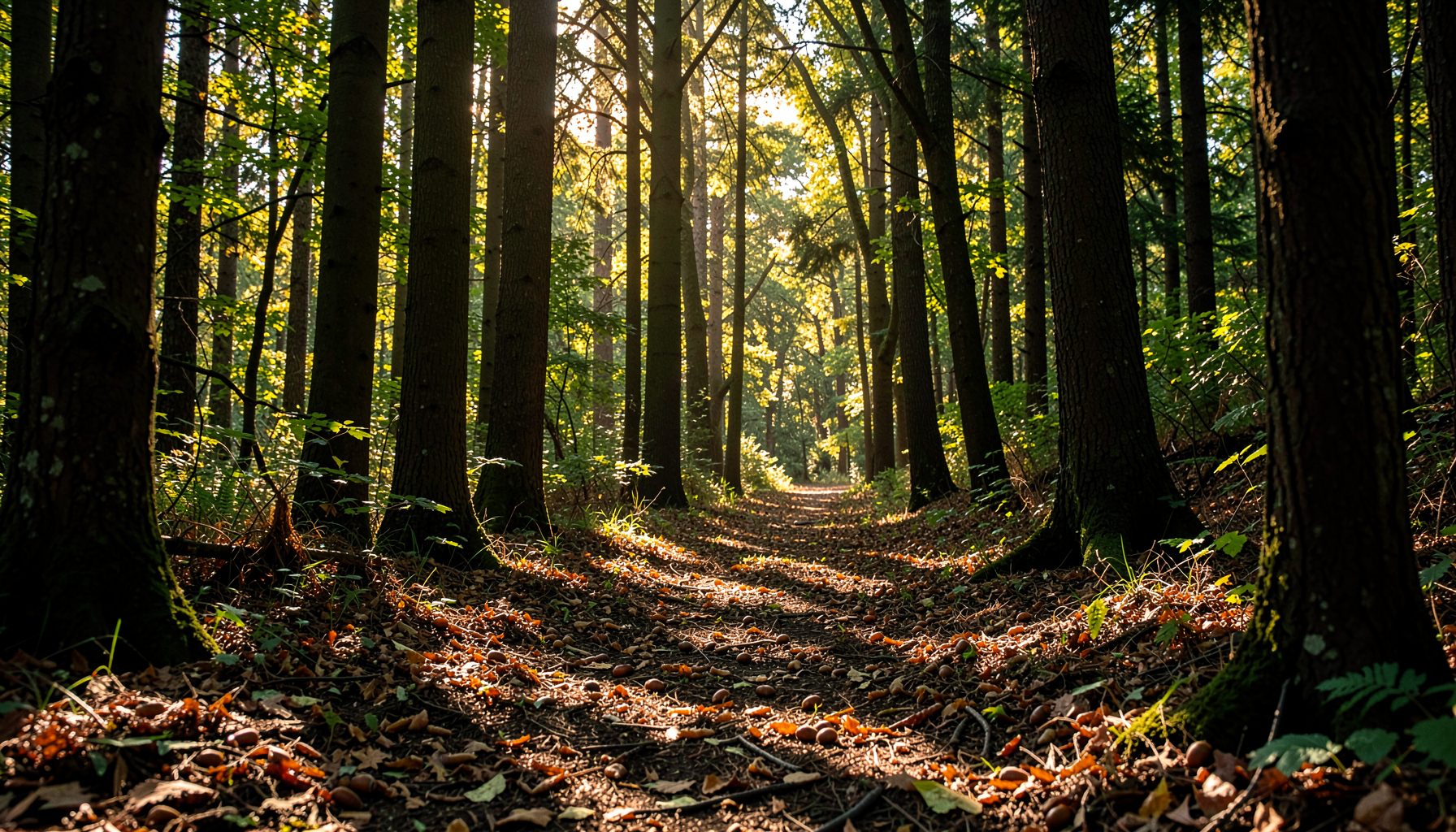
Every autumn, an unassuming group of people wander into woodlands with buckets, label tags, and a quiet understanding that their weekend outing will eventually become the canopy of a stream buffer. These volunteers gather native hardwood seeds, including acorns, walnuts, and the fruits of dozens of riparian shrubs, and donate them to state-run nurseries that turn the harvest into millions of seedlings each year. The relationship between casual collectors and institutional growers is one of the least visible yet most consequential pieces of modern watershed restoration, and it quietly determines whether state nurseries meet their annual seedling quotas.
Many readers will recognise the model from home-grown Australian efforts such as Landcare bush regeneration days or Greening Australia's seedbank network, where volunteer-collected stock feeds industrial-scale propagation for revegetation along the Murray–Darling system. Although the species differ, the mechanics of volunteer supply and bureaucratic demand play out in remarkably similar ways across hemispheres, and learning how the Potomac model works offers useful lessons for anyone hoping to scale community-led seed sourcing closer to home.
The Hidden Demand Behind Stream Restoration Seedlings
State foresters publish seedling production plans each winter, breaking down the coming season's species mix by watershed, age class, and projected survival. A typical year might call for two hundred thousand mixed oak and sycamore seedlings to anchor eroding riverbanks in the Chesapeake Bay drainage, or a smaller allotment of silky dogwood and buttonbush destined for wetlands around suburban stream valleys. These plans are tied to funding cycles, federal grants, and interstate compacts that require minimum stem counts in the ground.
Volunteer collectors fill a specific niche in that plan. Commercial seed vendors tend to focus on a narrow range of commercial timber species with predictable flowering cycles, leaving the long-tail of riparian natives under-collected. A small community group can spend a single Saturday at a patch of spicebush or river birch and gather enough material to keep a state nursery in production for an entire quarter. Without that grassroots supply line, many ecologically critical species would never make it onto the propagation bench.
| Factor | Volunteer Collectors | Commercial Contractors |
|---|---|---|
| Species range | Wide, including rare and riparian natives | Narrow, dominated by timber species |
| Cost per kilogram | Low, mostly travel and supplies | High, includes wages and insurance |
| Geographic reach | Localised, neighbourhood-scale | Regional, follows the contract |
| Timing of collection | Reactive to mast years and weather | Scheduled within fixed windows |
| Quality control | Variable, depends on training | High, with formal grading |
| Public engagement | Strong, builds long-term stewardship | Primarily transactional |
That imbalance between species coverage and institutional demand explains why volunteer programmes have grown steadily since the late 1990s, especially in regions where state nurseries have shed in-house collection crews.
Why Hands-On Collectors Shape Stronger Forests
There is something quietly transformative about watching a child press an acorn into a labelled paper bag and understanding that the object will become a sapling planted along a tributary three years later. Volunteer collection is not just labour; it is an entry point into forest literacy. Once a participant learns to identify a healthy white oak acorn versus a weevil-infested one, they begin to notice the canopy structure around them, the role of squirrels and jays in dispersal, and the way erosion scars heal where mature trees once stood.
Programmes built around this experience, like the volunteer walks offered through family-friendly seed collection walks, tend to retain participants longer than one-off planting days. Returning collectors develop regional knowledge that professional contractors rarely possess: which patch of swamp white oak fruits reliably in a mast year, which hedgerow produces buttonbush every August, and which neighbour is willing to grant access to a productive tree on private land. That tacit map of seed sources becomes a strategic asset for any nursery trying to keep its species list diverse.
From Acorn to Allocated Slot: How the Quota Chain Works
Once a bag of seeds arrives at a state nursery, it enters a pipeline that runs on chilling hours, stratification schedules, and germination tests. The facility allocates greenhouse bench space based on the previous autumn's intake, meaning the volume and diversity of volunteer collections directly shapes what species can be propagated the following spring. A nursery that receives a thousand kilograms of mixed acorns can plan for fifteen thousand oak seedlings; one that receives fifty kilograms may have to cancel that production line and substitute a species with stock on hand.
The ripple effects extend beyond the nursery walls. Planting crews scheduled for the following dormant season rely on confirmed seedling availability, and grant deliverables depend on demonstrated survival rates. When volunteer collectors fall short during a poor mast year, downstream partners scramble for alternative sources, often paying premium prices for containerised stock from private growers. When collectors exceed projections, nurseries can over-winter surplus seed and bank it against future lean years, smoothing production in a way no contract can replicate.
A regional coordinator who maintains a live spreadsheet of incoming collections, weather alerts, and landowner contacts can shift volunteer effort in real time, sending crews toward a productive black walnut stand the moment word spreads that the nuts are dropping. Without that choreography, even a willing volunteer base may collect the wrong species at the wrong moment.
A Look at Volunteer Programmes Across Continents
Australian readers will find familiar echoes in the volunteer-driven model, particularly through organisations like Landcare Australia and the smaller Bushcare groups operating along catchments from the Hawkesbury–Nepean near Sydney to the Torrens in Adelaide. National Tree Day, coordinated each year by Planet Ark on the last Sunday in July, mobilises roughly a quarter of a million Australians to plant around a million seedlings, and many of those sites rely on stock propagated from locally sourced seed. The parallels are instructive: both systems depend on a dispersed network of collectors who understand that a kilogram of seed gathered today translates into hectares of canopy decades from now.
The Potomac watershed model has invested heavily in training volunteers to recognise the difference between native and ornamental species, an issue Australian programmes wrestle with too. Black locust, for example, is widely planted as a shade tree but behaves aggressively in moist riparian soils, a topic explored in detail on the black locust in detail page. Collectors who cannot tell black locust from a native locust-relative can inadvertently feed invasive genetics into nursery pipelines, undermining the very restoration effort they intended to support.
The Australian experience also offers a cautionary tale about under-resourced coordination. Some Bushcare groups have struggled when enthusiastic volunteers flooded a single council nursery with more seed than staff could process, leaving bags to spoil. Programmes that survived introduced tiered drop-off schedules, species quotas, and shared drying infrastructure, a model American groups now borrow when collections outpace capacity.
Habits That Lift a Seed Drive from Busy to Productive
Several habits separate a productive collector from one whose bags arrive at the nursery mouldy and unsorted. The list below reflects the routines used by the most reliable contributors in any watershed.
- Photograph the parent tree before collecting, recording trunk, bark, and leaf detail so nursery staff can verify species later.
- Gather only mature, healthy seed, leaving damaged or insect-infested fruit on the branch for wildlife food webs.
- Keep samples cool and breathable in transit, never sealed in plastic where trapped moisture encourages fungal growth.
- Label every bag with species, location, date, and collector name, information the nursery uses to track provenance and local genotypes.
- Coordinate with the receiving nursery before heading out, since not every facility needs every species in every year.
- Aim for diversity across multiple parent trees within a stand, avoiding the genetic bottleneck of single-tree sourcing.
- Drop off collections within forty-eight hours so staff can begin stratification while seed is still viable.
A working group that follows these conventions quickly becomes a preferred partner for state foresters, who know they can plan around dependable intake. The reverse is equally true: a handful of careless collections can sour a programme's reputation with the very nurseries it depends on.
Common Pitfalls in Community Seed Drives
Even well-intentioned programmes stumble when basic protocols slip. One frequent issue is the collection of seed from hybridised or ornamental cultivars, particularly in suburbs where native parent trees have been replaced by grafted varieties bred for leaf colour or fruit size. Another is the temptation to gather from a single productive tree rather than across a genetically diverse stand, which can lead to inbreeding depression in the resulting seedling population.
Storage mistakes account for a surprising share of wasted effort. Seeds left in car boots through a Canberra summer, or stored in damp sheds, often lose viability before reaching the propagation bench. Successful programmes address this with clear written protocols, drop-off events scheduled within forty-eight hours of peak collection, and on-site drying stations. Anyone curious about how a regional organiser structures these moving parts can read more on the About Growing Native page of an established operation.
Volunteer fatigue is another quiet threat. New recruits arrive energised in their first autumn, but retention drops sharply by year three unless leaders offer fresh challenges, such as advanced identification workshops, leadership roles on private-land access, or trips to the nursery to see last year's collection growing on the bench.
Supporting the People Who Fill the Seed Bins
State nurseries will always depend on commercial contractors for predictable bulk supply, but the texture of a watershed restoration effort is shaped by the volunteers who walk into the woods with a bucket and a notebook. Their collections keep rare natives in the species mix, anchor local provenance in the seedling pool, and quietly convert casual residents into long-term stewards of their local creek. Every kilogram they donate is a vote of confidence in a public system that most citizens will never see.
If you live near a restoration corridor, whether that is a tributary of the Potomac or a stretch of the Yarra, consider signing up for the next seed-collection walk in your catchment. Bring sturdy boots, a notebook, and the kind of patience that rewards close observation, and you will leave with a paper bag full of futures. Programmes thrive on the simple decision to show up, label clearly, and return next season.