Sowing the Future: Seed Collection for Pollinator Corridors
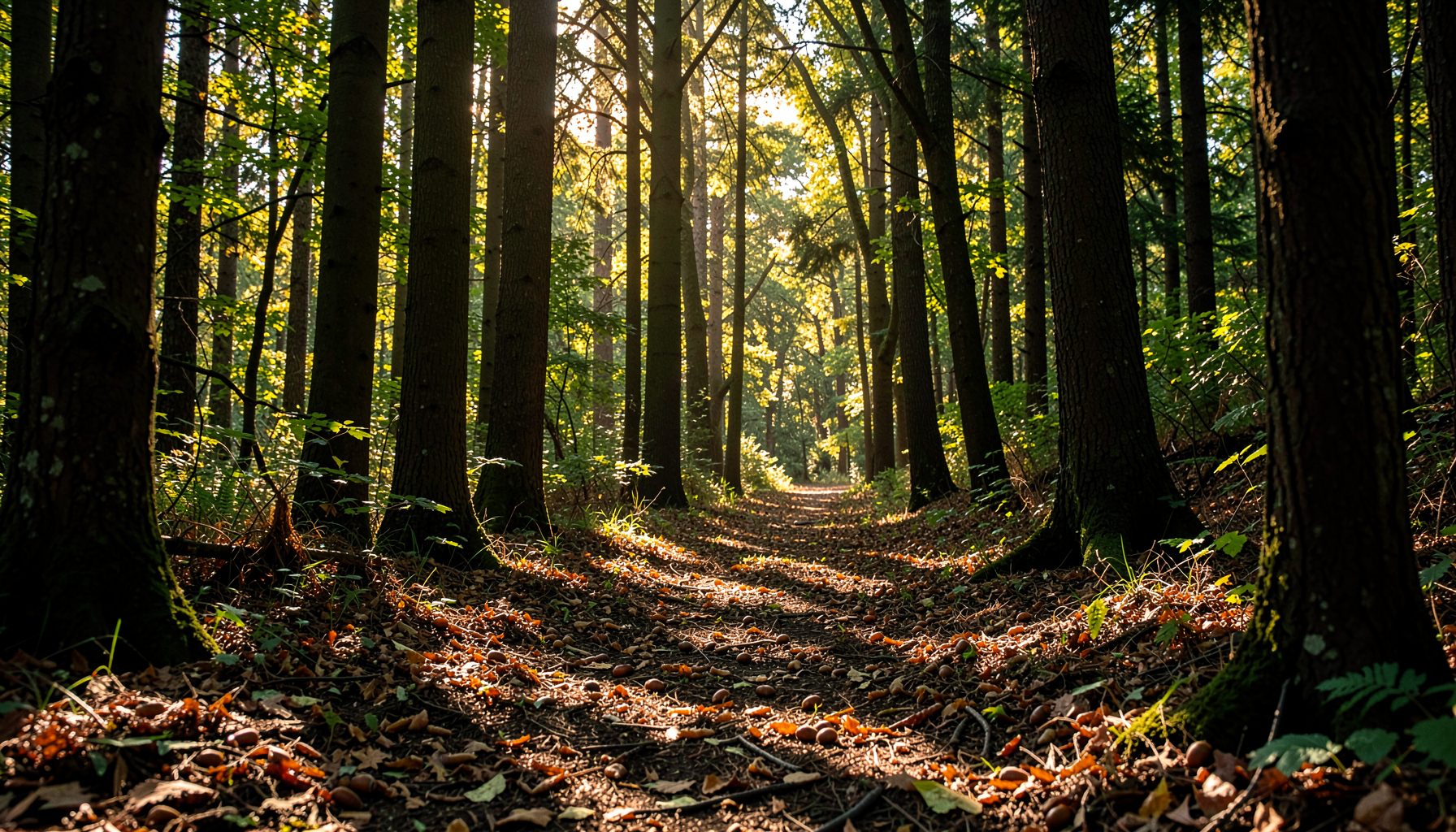
The slow work of gathering seeds by hand often goes unnoticed, yet it sits at the heart of how damaged landscapes recover. A single acorn cradled in the palm in autumn can become a riverside oak two decades later, and the path between those two moments runs through volunteers, native plant nurseries, and the patient rhythms of ecological restoration. Pollinator corridors, in particular, depend on this kind of foundational labour, because the shrubs, wildflowers, and small trees that nourish bees, butterflies, and beetles begin their lives as seeds collected from mature, healthy stands.
In the Potomac watershed and beyond, programs that mobilise community members to harvest local seeds have reshaped what restoration looks like in practice. Rather than relying solely on commercial nursery stock, growers are turning to genetically appropriate, locally sourced material that pollinators have co-evolved with for centuries. The result is habitat that feeds native insects, stabilises stream banks, and reconnects fragmented forests across vast distances.
Australia offers a parallel story. From the bushland fringes of Melbourne to the dry sclerophyll forests north of Sydney, volunteers have long understood that collecting seed from resilient parent trees is a quiet act of conservation. The scale of the work is significant: after the 2019-2020 Black Summer fires, organisations such as Greening Australia coordinated seed-gathering efforts across more than twelve million hectares of affected country. Much of that collected material will eventually form the understorey of future pollinator habitat.
For communities that join a seed collection effort, the experience is often unexpectedly personal. A walk along a creek in late summer, a notebook full of species names, and a paper bag of carefully labelled fruit become the raw ingredients of ecological repair. The act is small, but multiplied across hundreds of hands and seasons, it is the engine behind the corridors that allow pollinators to move, feed, and reproduce across the landscape.
Why Pollinator Corridors Need Locally Sourced Seed
Pollinators rely on continuity. A solitary bee that emerges in early spring needs a sequence of blooming plants to sustain it through the season, and migratory butterflies require safe passages lined with host species. When roads, agriculture, or urban development break those sequences, populations fragment and decline. Corridors of native vegetation, particularly along waterways, knit the landscape back together by offering food, shelter, and nesting sites across what would otherwise be hostile ground.
The genetic story matters as much as the physical one. Seeds collected from plants growing in a particular soil type, rainfall pattern, and microclimate carry adaptations that make their offspring more likely to thrive in the same conditions. A eucalypt seedling grown from a Hobart parent is better equipped for cool Tasmanian winters than a generic stock from a southern Queensland nursery. For pollinators, this means a corridor of plants that flower at the right times, produce the right nectar volumes, and host the right insect partners.
Programs such as Growing Native's mission have built their entire model on this principle. By donating seed to state nurseries, the organisation ensures that every seedling eventually planted along a streambank carries the genetic memory of the watershed it came from. The same logic underpins Australian efforts through the Great Eastern Ranges corridor initiative, which links remnant habitat from the Grampians to the Australian Alps through targeted revegetation.
The practical effect is measurable. Studies in the United States and Australia have shown that corridors planted with locally sourced material support higher diversity of native bees, hoverflies, and moths than those planted with generic commercial stock. Insects recognise the chemistry of their co-evolved plants, and when the chemistry is right, the corridor functions as intended.
The Calendar of Harvest and How Volunteers Fit In
Timing is everything in seed work. Collect too early and the embryos are not viable; collect too late and the birds, ants, and wind have already taken the crop. A reliable seed collection calendar helps volunteers know exactly when to look for ripe acorns, hickory nuts, and the small berries of streamside shrubs. The pattern shifts slightly each year with the weather, but the broad rhythm is dependable enough to plan a season of events around it.
In Australia, the equivalent rhythm runs through the southern spring and summer. Acacia species in the Adelaide Hills set seed in late spring, while banksia cones along the Perth coastal strip mature through autumn. Community groups in Brisbane have learned to read the callistemon and melaleuca carefully, harvesting capsules only after the small internal seeds have hardened and darkened. Each region writes its own almanac, often passed down between generations of bushcare volunteers.
Schools and corporate groups bring particular energy to the harvest. A Year 7 class from a regional Victorian school can collect kilograms of local seed in a single morning, especially if the parent trees are well chosen and accessible. The work is unhurried, the conversations across the rows of trees often linger long after the bags are full, and participants leave with a working knowledge of how to identify a healthy seed lot from a poor one.
What ties these activities together is the network of native plant nurseries that receive the donations. The nurseries stratify, clean, and sow the material, often with the help of trained volunteers, and the resulting tubestock returns to the same watershed within two to three growing seasons. Each cycle refines the local adaptation of the stock and steadily improves the quality of habitat available to pollinators.
From Seed to Streambank: Growing the Corridor
Once seedlings are large enough to plant out, the design of the corridor itself comes into focus. Ecologists work with maps of existing remnant vegetation, terrain analysis, and pollinator movement data to choose where seedlings will have the greatest effect. A good corridor links two patches of bush, follows a creek line where moisture is reliable, and includes a layered mix of groundcovers, mid-story shrubs, and canopy trees. The diversity of structure supports a diversity of insects.
The plant palette matters as much as the layout. For Australian projects, that often means a heavy inclusion of species such as Bursaria spinosa, which provides late-summer nectar for native bees, and various Correa and Grevillea species that flower through the cooler months when little else is in bloom. In the Potomac region, native hazelnut, spicebush, and silky dogwood play a similar role, offering pollen and nectar across the year for generalist and specialist pollinators alike.
Replanting days are typically the most visible part of the work, drawing families, retirees, and conservation staff to the same stretch of creek. The ground is prepared with mattocks, the seedlings are eased from their tubes, and the soil is firmed around the roots. In places like Canberra's Mulligans Flat or the Yarra Valley near Melbourne, these days have become genuine community traditions, often shared with a barbecue and a tally of the season's totals.
Long after the planting finishes, the work of stewardship continues. Weeds must be controlled while the young plants establish, watering may be needed through dry summers, and the site must be monitored for survival and growth. The patience required is considerable, but the rewards, in the form of returning birdlife, increased insect activity, and stabilised banks, are tangible for those willing to wait.
Measuring Success Beyond Survival Counts
The simplest measure of a revegetation project is how many seedlings survive their first summer, but it tells only a fraction of the story. Pollination outcomes depend on whether the corridor actually flowers, whether native insects visit those flowers, and whether the corridor functions as a connected pathway rather than a series of isolated islands. A framework for measuring reforestation success considers these wider questions and offers practical methods for collecting useful data.
In Australia, citizen scientists contribute much of this monitoring through apps and structured surveys. The Atlas of Living Australia records pollinator sightings, while local Landcare groups often run seasonal transect counts to track flower visitation. The combined datasets build a national picture of how restored corridors compare with remnant habitat, and where further planting effort is most needed.
Pollinator-specific monitoring can be as simple as a slow walk through a corridor in mid-morning, counting bees on a set of target shrubs over a fixed period. The technique requires no specialised equipment, and the data, when repeated across years, reveals trends that guide future investment. A corridor that hosted three bee species in its first summer might host fifteen by its fifth, and that kind of growth is the real measure of a successful restoration.
The lessons learned feed back into seed collection priorities. If monitoring shows that a particular mid-story shrub is heavily visited by native bees, growers will want more of its seed, and the calendar for that species will rise in importance. In this way, the harvest, the planting, and the monitoring all reinforce each other in a continuous loop of improvement.
The work of gathering, growing, and planting seed is slow, patient, and deeply local, but its effects ripple outward. Every corridor stitched into the landscape becomes a living bridge for the insects that hold ecosystems together, and every seed collected by hand is a small promise that the next generation of pollinators will find what they need to survive. Walk a creek near your home this weekend, look for a native shrub heavy with ripe fruit, and bring a paper bag. Sign up to volunteer with a local seed collection effort, share the work with a neighbour, and add your handful to the next planting season, because the future of pollinator corridors is carried, one seed at a time, in the hands of the people who choose to gather them.