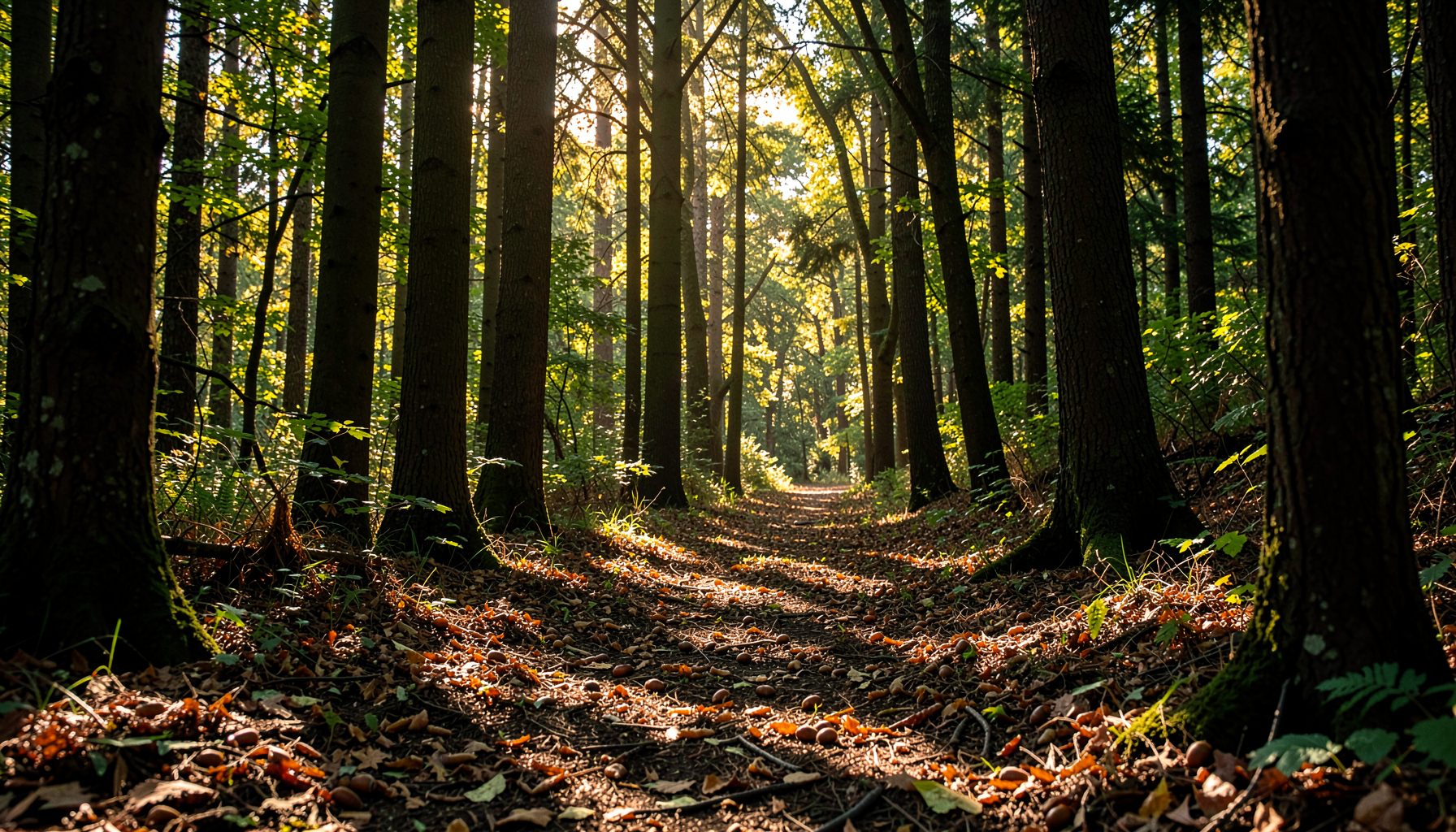
Growing Native’s annual seed collection calendar
Healthy forests often begin with a small, well-timed gathering. Across the Potomac River watershed, acorns, walnuts, and other native seeds become the starting material for future streamside forests. When collected responsibly, these seeds can be raised in state nurseries and planted where trees are needed to stabilize soil, shade waterways, and improve habitat.
Growing Native’s annual seed collection calendar helps volunteers understand what to look for throughout the year. Seed production varies with weather, elevation, tree health, and species, so the calendar works as a practical guide rather than a rigid schedule. A warm spring, summer drought, or severe storm can shift ripening dates by several weeks.
The best collection days combine careful observation with good stewardship. Volunteers identify parent trees, gather mature seed from the ground or directly from branches when appropriate, and handle each batch so nursery staff can clean, store, and grow it successfully. The result is a community-supported cycle linking neighborhood trees with long-term watershed restoration.
How the seed year unfolds
The collection season generally begins in late summer, when early-ripening trees start to produce viable seed. Some acorns may appear in August, while many oak species release them from September through October. Hickories and walnuts often follow a similar late-summer-to-fall rhythm, though exact timing depends on local conditions.
Autumn is usually the busiest period because many native hardwoods release large seed crops at once. Volunteers may find acorns beneath oak canopies, winged samaras from certain trees, or nuts enclosed in husks. A productive walk can reveal several species within a small area, especially along mature forest edges, floodplains, parks, and stream corridors.
Winter does not end the work. It is a useful season for reviewing collection notes, learning tree identification, checking storage instructions, and preparing for the next cycle. Some species retain fruits into the colder months, while others are easiest to identify after leaves have fallen and bark, buds, or branching patterns become more visible.
A month-by-month guide for volunteers
The timing below reflects common patterns in the Mid-Atlantic and Potomac watershed. It should be adjusted according to local observations and current instructions from Growing Native or partner nurseries.
| Period | Seeds and signs to watch for | Helpful volunteer actions |
|---|---|---|
| August | Early acorns, developing walnuts, ripening fruits, and signs of a strong or weak mast year | Scout healthy parent trees, record locations, and watch for mature seed beginning to fall |
| September | Many white oak acorns, hickory nuts, walnuts, and other early hardwood seed | Collect fresh, sound seed soon after it drops and keep species batches separate |
| October | Red oak acorns, additional hickory and walnut crops, and late-season hardwood fruits | Make regular collection trips, remove damaged pieces, and follow delivery guidance |
| November | Remaining nuts, persistent fruits, and seed overlooked beneath leaf litter | Search carefully without disturbing habitat, then label and submit viable collections promptly |
| December–February | Limited fresh collection, stored seed, winter tree features, and planning information | Review records, study identification materials, and prepare for spring outreach |
| March–July | Flowering, leaf development, and early fruit formation rather than peak seed collection | Scout sites, identify parent trees, and note conditions that may affect the coming crop |
A calendar is most useful when paired with regular visits. Checking the same trees every week during the fall can show when seeds change from green to mature brown, when wildlife begins feeding heavily, and when rain or wind has moved seed away from the parent canopy. Freshly fallen seed is often easier to evaluate than seed that has remained wet beneath leaves for several days.
Identifying strong parent trees
Seed collection begins with choosing the right trees. Look for healthy, locally adapted native specimens with good form, vigorous foliage, and no obvious signs of severe disease or structural decline. A tree beside a road or in a landscaped setting may be easy to access, but permission and site conditions must be considered before collecting.
Correct identification is essential because related species can produce similar-looking seed. Bark, leaves, buds, fruit shape, habitat, and overall growth form all provide useful clues. For volunteers learning oak identification, this bark identification guide offers a focused example of how one species can be recognized through winter characteristics as well as seasonal foliage.
A good parent tree should also represent the kind of landscape where future seedlings may be planted. Trees growing near streams, wetlands, floodplains, or forest margins can be especially valuable for watershed restoration, provided they are healthy and collection is permitted. Recording the location, species, approximate size, and surrounding habitat gives nursery partners useful context for each batch.
Collecting without harming the forest
Responsible collection leaves plenty of seed for wildlife and natural regeneration. Birds, squirrels, deer, turkeys, and small mammals depend on nuts and fruits during fall and winter, so volunteers should never strip a tree or clear an entire area. Gathering a modest portion from several trees is generally preferable to taking a large amount from one individual.
Fresh seed should be handled gently and protected from heat, mold, and unnecessary crushing. Acorns and nuts can be placed in breathable containers such as paper bags or other materials recommended by the program. Plastic bags may trap moisture and encourage decay, especially when seed has been collected after rain.
Keep every species and collection site separate unless program instructions say otherwise. Labels should include the collector’s name or group, species, date, location, and any other requested information. Seed that is cracked, hollow, moldy, insect-damaged, or unusually light may not be viable, although volunteers should follow the program’s screening guidance rather than discarding uncertain material without direction.
Weather, wildlife, and yearly variation
No two seed seasons are identical. Oaks and other hardwoods can produce a heavy crop in one year and a sparse crop the next, a pattern often called mast variation. Spring freezes may reduce flowers, summer heat can stress trees, and late-season storms may knock down immature seed. These changes make observation more reliable than relying on a fixed date.
Wildlife activity is another important signal. If squirrels and birds are feeding intensively, volunteers may need to collect more frequently to find sound seed. Heavy rain can cause nuts to mold quickly, while dry weather may preserve them longer but also make ground collection more difficult. Not every low-yield year is a failure; documenting poor production helps conservation programs understand regional conditions.
Safety and access should shape each outing. Avoid collecting during high winds, stay away from unstable limbs and steep streambanks, and never enter private property without permission. Volunteers working with children or large groups should choose accessible sites away from traffic and establish clear boundaries before collection begins.
Turning community collections into forest restoration
After collection, seeds move through a careful process. Nursery partners may inspect, clean, test, stratify, and store them before sowing. Some native species need a period of cold, moist conditions to break dormancy, while others can be planted or processed on a different schedule. Proper labeling and timely delivery help preserve the value of every contribution.
The resulting seedlings can support streamside buffers, reforestation projects, erosion control, wildlife habitat, and cleaner water. Along waterways, tree roots help hold soil in place, fallen leaves support aquatic food webs, and shade can moderate water temperatures. Planting a diverse mix of native trees and shrubs also strengthens habitat and improves resilience over time.
Seed collection offers a practical way for people to participate in conservation close to home. Families can observe seasonal changes together, schools can connect science lessons with local ecology, and workplaces or community groups can organize recurring collection days. Those ready to take part can find current volunteer opportunities, including ways to contribute beyond a single autumn outing.
Simple practices for a successful collection season
A small amount of preparation can make fieldwork more efficient and improve the quality of donated seed. Before heading out, volunteers should review current program instructions, confirm site access, and check whether collection containers or labels are provided. It is also useful to carry a field guide, pencil, water, gloves, and sturdy footwear.
During the season, consistent records matter as much as the number of seeds collected. Note the date, weather, tree species, approximate quantity, and condition of each batch. These details help distinguish a species identification problem from a poor seed year and allow Growing Native and its partners to plan future restoration work more effectively.
- Visit promising trees regularly as seed begins to mature and fall.
- Collect from several healthy native trees rather than one heavily used individual.
- Keep species, locations, and dates separated and clearly labeled.
- Protect seed from heat, standing moisture, crushing, and prolonged storage.
- Follow delivery, screening, and safety instructions from Growing Native.
The annual cycle starts again with spring scouting and summer observation. A tree that produces little this year may become an important source next year, while a newly discovered stand may offer valuable seed for many seasons. Patience, accurate identification, and repeated local observation turn casual walks into meaningful conservation data.
Growing Native’s annual seed collection calendar is ultimately a guide to participation: watch the trees, collect at the right moment, and pass healthy native seed into the restoration process. Plan a seasonal outing, invite a family member or group, and help gather the raw material for stronger forests and healthier waterways across the Potomac River watershed.