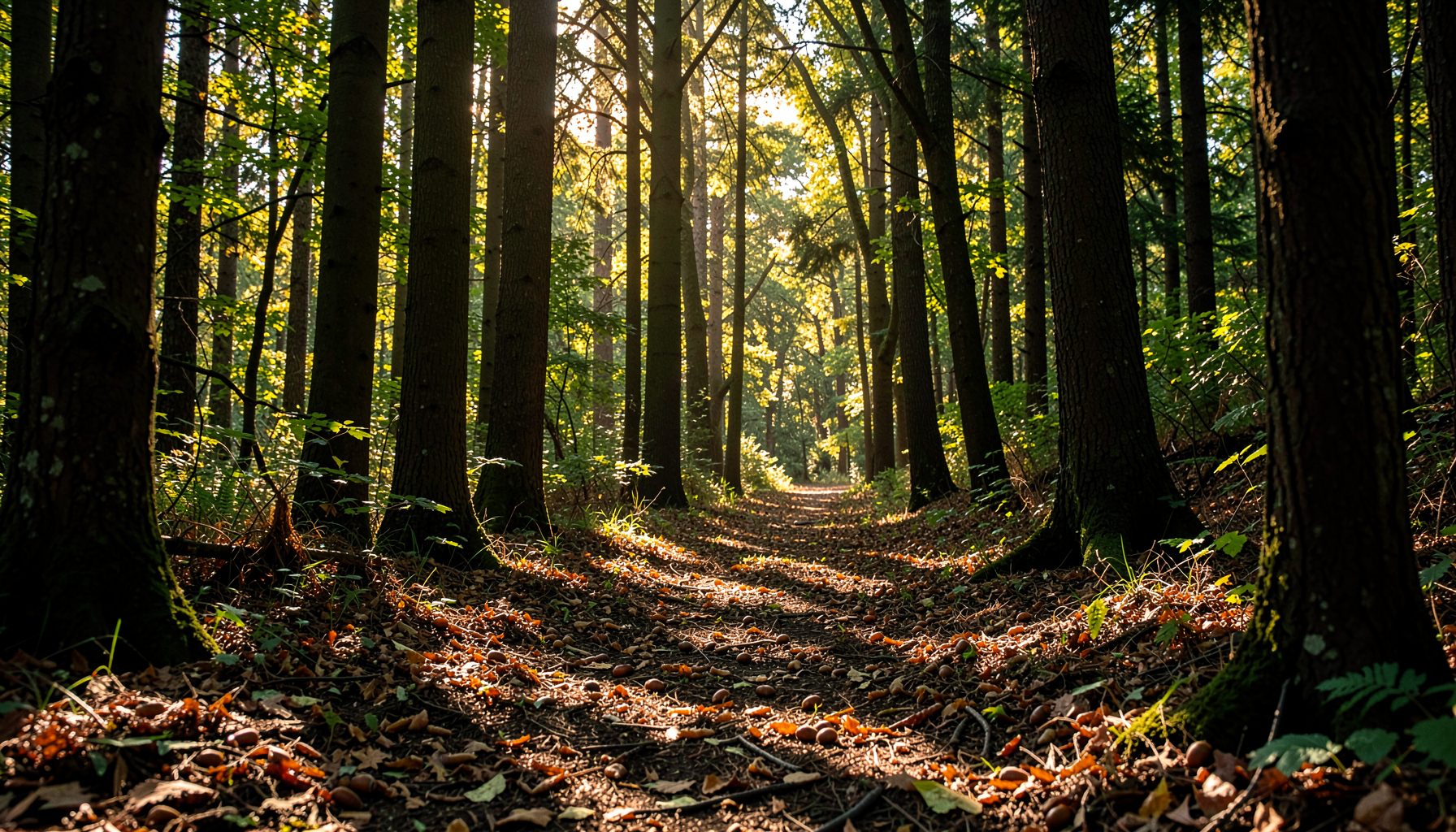
Native understory shrubs and the renewal of healthy forests
Forest regeneration is often pictured as a contest between tall trees reaching for sunlight. Yet a recovering forest depends on much more than canopy species. The low-growing layer of shrubs, saplings, grasses and herbs helps create the conditions in which young trees can survive, streams can stay cool, and wildlife can move through a fragmented landscape.
For Australian landholders, gardeners and volunteers, this lesson is especially relevant in riparian corridors, urban reserves and woodland edges. Native understory plants can support soil repair and biodiversity while making restoration sites more resilient to heat, variable rainfall and weed invasion. The work of Growing Native in the Potomac River watershed offers a useful model: collect locally appropriate seed, raise strong plants and connect community participation with long-term forest and waterway care.
Why shrubs matter during forest recovery
Understory shrubs occupy the space between groundcover and canopy. Their stems and leaves slow wind and rainfall, intercepting some of the force that can dislodge soil. Their roots bind stream banks and woodland floors, while fallen leaves add organic matter and help retain moisture. These functions are easy to overlook because they happen close to the ground, but they shape the environment experienced by every new seedling.
A diverse shrub layer also creates shelter. Young trees are vulnerable to drying winds, browsing animals, competing grasses and sudden temperature changes. Shrubs can reduce exposure and provide small pockets of shade where seedlings establish more successfully. In a creekside planting near Brisbane or Melbourne, that protective structure may determine whether a plant survives its first summer.
Shrubs contribute to forest succession as well. Some species establish quickly in open ground, then gradually alter light levels and soil conditions. Their flowers and fruit attract insects, birds and small mammals, which carry pollen and disperse seeds. As the site develops, a layered community emerges rather than a row of isolated trees. This complexity improves habitat quality and gives restoration a better chance of continuing without constant intervention.
A useful overview of these relationships is available in this forest ecology primer, which explains how living and non-living parts of a forest influence one another. Understanding those connections helps volunteers see shrub planting as ecological repair rather than simple landscaping.
Native species create a living support network
The best shrub choices depend on local soils, rainfall, fire regimes and the surrounding plant community. An Australian restoration site might use different species in a Sydney sandstone reserve, a Victorian creek line or a subtropical floodplain outside Brisbane. Local provenance matters because plants grown from nearby seed are more likely to match regional conditions and seasonal cues.
Shrubs provide food at several points in the year. Flowering species can sustain native bees, hoverflies, butterflies and other pollinators when few trees are in bloom. Fruiting species feed birds and mammals, while dense branches offer nesting sites and refuge from predators. Even a shrub without showy flowers may support caterpillars or contribute leaf litter used by decomposers.
The ecological value of a shrub is therefore broader than its appearance in a garden centre. A plant selected only for rapid growth or decorative foliage may offer little food for local wildlife, while a less familiar species can be central to a functioning habitat. Australian gardeners accustomed to choosing plants for tidy form and low maintenance can make a greater contribution by considering seasonal food webs and local wildlife needs.
This principle also applies beyond Australia. Growing Native highlights why native shrubs matter for birds moving through the Potomac landscape. Spicebush itself is not an Australian planting recommendation, but its example demonstrates how one shrub can provide food, cover and movement corridors for wildlife. Local Australian equivalents should be chosen with advice from regional flora groups, councils or accredited nurseries.
Shrubs protect waterways and soil
The connection between forest regeneration and clean water is particularly clear along creeks and rivers. When a stream bank has lost its vegetation, rain can wash sediment, nutrients and pollutants into the channel. Bare ground also heats rapidly, and the lack of shade can raise water temperatures beyond the tolerance of aquatic organisms.
Native shrubs help intercept runoff before it reaches the water. Their roots hold soil particles together, while stems and leaf litter slow the movement of stormwater. This can reduce erosion during heavy rainfall and improve infiltration across the bank. In places affected by intense storms, such as parts of Queensland and New South Wales, a well-structured riparian planting can be an important part of catchment-scale restoration.
The benefits are practical for urban communities. A creek reserve in Melbourne or Adelaide can act as a filter between streets, backyards and waterways, capturing some sediment and nutrients before they reach drains. Residents who use rainwater tanks, mulch garden beds or avoid washing soil and fertiliser into gutters are supporting the same principle at household level: keep water moving slowly through living ground.
Shrubs are not a substitute for careful site design. Planting must account for flood levels, maintenance access, existing weeds and the needs of the stream itself. Some Australian waterways require open sightlines for safety, while others need dense bank cover. A staged approach—controlling invasive plants, protecting remnant vegetation and adding appropriate local species—usually produces stronger results than planting densely without follow-up care.
Restoration succeeds through careful seed and plant choices
Healthy regeneration begins before a seed reaches the nursery. Collectors need to identify species accurately, select mature and healthy parent plants, record collection locations and avoid taking too much from a single population. Timing matters because fruits, nuts and capsules mature at different points in the year. Acorns and walnuts in the Potomac program illustrate how community volunteers can gather native seed for professional propagation and later planting.
Australian groups face similar decisions with eucalypts, wattles, melaleucas, banksias and local rainforest or woodland shrubs. Seed should come from suitable populations rather than a distant region with a different climate. In a changing climate, restoration practitioners may also assess whether a species can tolerate projected heat or altered rainfall, while still protecting the genetic character of the local ecosystem.
Nursery production is another important stage. Strong tube stock needs a healthy root system, suitable growing media and gradual acclimatisation before planting. Oversized plants are not automatically better; a compact plant with balanced roots may establish more reliably than a tall plant that has struggled in a small container. After planting, watering, guards, weed control and monitoring are essential during the establishment period.
The local native plant market can help or hinder this process. Demand for native gardens, habitat corridors and council revegetation projects has increased interest in indigenous plants, but labels such as “Australian native” are too broad to guarantee ecological suitability. Buyers should seek nurseries that identify regional provenance and avoid species known to become invasive outside their natural range. This supports responsible growers and improves the quality of restoration stock available to community projects.
Community action turns regeneration into stewardship
Forest renewal takes years, so successful programs build habits and relationships rather than relying on a single planting day. Schools can learn to identify seeds and observe seasonal changes. Families can help with collection or maintenance. Workplaces and community groups can contribute labour, equipment or funding. These activities connect people with the watershed and make ecological knowledge part of ordinary community life.
Growing Native’s volunteer model is relevant even for people living far from the Potomac watershed. Its focus on seed collection, education and nursery partnerships shows how small tasks can support a much larger restoration system. Australian Landcare groups, catchment associations and friends-of-reserves groups often use comparable approaches, adapting activities to local species and council priorities.
Legislation should be part of the planning process. Native vegetation clearing rules differ between Australian states and territories, and permits may be required before removing vegetation or undertaking works near a waterway. The federal Environment Protection and Biodiversity Conservation Act 1999 can also apply when nationally significant matters are involved. Local councils may impose additional requirements, while biosecurity laws govern the movement of soil, plant material and some seeds. Checking with the relevant council, state environment agency or land manager prevents well-intentioned work from causing harm.
Volunteers can also make regeneration part of everyday life. A weekend spent removing an invasive vine, collecting permitted seed or watering a newly planted corridor may seem modest, but repeated care keeps young shrubs alive through dry periods. Simple habits such as keeping pets away from nesting areas, cleaning mud from footwear and vehicles, and choosing locally suitable plants for home gardens reduce pressure on nearby bushland.
When people are ready to contribute, they can register to volunteer with Growing Native and explore opportunities suited to individuals, families, schools, community groups and workplaces. Australian participants can use the same learning to support local Landcare projects, seed banks, nurseries and waterway restoration teams.
Native shrubs are the quiet framework of a recovering forest. They shelter seedlings, feed wildlife, stabilise soil, filter runoff and help reconnect isolated habitat. Restoring them requires patience and local knowledge, but it also offers accessible ways for people to take part in conservation. By collecting responsibly, choosing regional species and caring for planted sites over time, communities can help forests and waterways become healthier, more diverse and more resilient.