How to engage neighbors in a community seed drive
A community seed drive can turn an ordinary neighborhood walk into a practical act of conservation. When residents collect acorns, walnuts, native shrub berries, and other viable seeds, they help create the next generation of trees for parks, stream corridors, and recovering forests.
The strongest neighborhood campaigns make participation easy, social, and meaningful. People are more likely to join when they understand what they are collecting, where it will go, and how their small contribution supports cleaner water, healthier soil, and better wildlife habitat.
A successful seed collection event does not require specialized equipment or extensive environmental knowledge. It needs a clear purpose, a welcoming invitation, and a simple system that helps neighbors move from curiosity to action.
Start with a local story
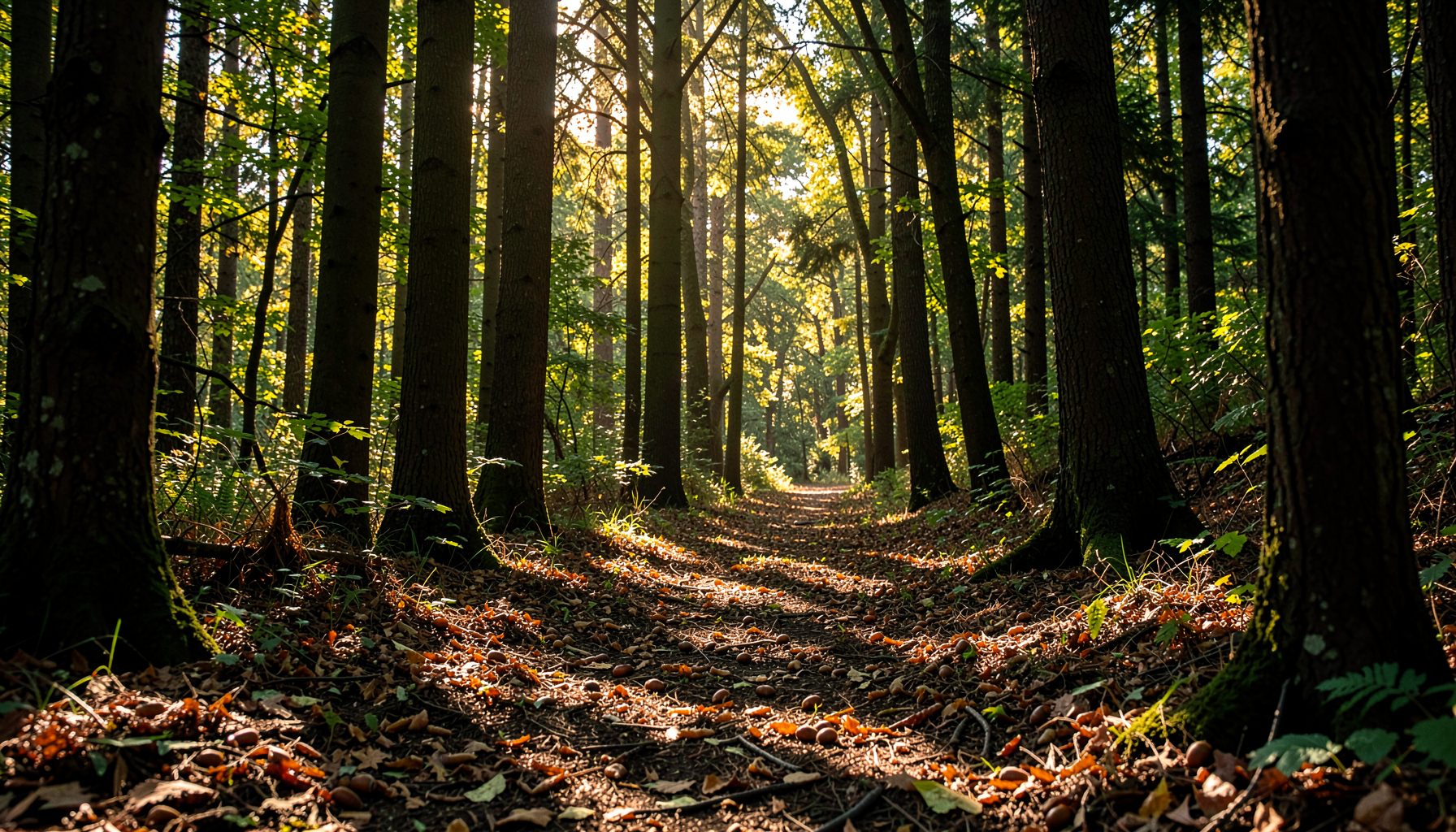
Begin by connecting the seed drive to a place people already know. A nearby creek, schoolyard, park, or wooded walking route can provide a visible reason to participate. Explain that native trees along waterways slow stormwater, hold soil in place, shade streams, and create habitat for birds and insects.
Use specific observations rather than broad environmental statements. A muddy streambank after heavy rain, a young tree planting near a playground, or a bare slope beside a walking trail can help residents see why native forest restoration matters. For a deeper explanation, share these streamside forest benefits when inviting neighbors to take part.
Personal stories can make the campaign feel local and achievable. Mention the oak tree that shades a community street, the walnut tree behind a library, or the patch of native shrubs beside a church. These familiar landmarks help people recognize that valuable seed sources may already be growing around them.
Invite a few respected neighbors to serve as early supporters. A teacher, park volunteer, gardener, scout leader, or homeowners’ association representative can introduce the project to different circles. Their involvement signals that the drive belongs to the whole community rather than a single organizer.
Make participation simple and welcoming
People often avoid volunteer events because they assume they need special knowledge, tools, or a large block of free time. Remove those concerns in the first announcement. State exactly what participants should bring, how long the activity will last, and whether children can join.
A useful invitation might explain that volunteers will meet for 60 to 90 minutes, walk a designated route, collect fallen seeds from approved native trees, and sort their findings before leaving. Tell participants to wear comfortable shoes and bring gloves, a small bucket, or a reusable bag. If those items are optional, say so clearly.
Offer several ways to participate. Some neighbors may enjoy searching for seeds, while others may prefer labeling bags, recording locations, transporting collections, or preparing refreshments. A person who cannot attend the event might still contribute by identifying a productive native tree on private property and arranging a safe collection.
Accessibility also affects turnout. Choose a meeting point near public transportation or a familiar landmark, provide a shorter route for people with limited mobility, and avoid scheduling the drive during major community events. If weather could disrupt the event, announce a backup date in advance.
Use plain language when describing native species. Instead of expecting everyone to identify trees independently, provide a short guide with photographs and simple clues such as leaf shape, bark texture, fruit appearance, and habitat. When possible, assign experienced volunteers to walk with first-time collectors.
Build a clear collection plan
A seed gathering project works best when the ecological rules are settled before the public invitation goes out. Contact a conservation organization, state nursery, extension office, or local land manager to learn which species are wanted, when they mature, and how they should be handled. Some seeds need immediate processing, while others must remain cool and dry.
Explain that volunteers should collect from healthy native trees in permitted locations and avoid taking every seed from a single plant. Leave enough for wildlife and natural regeneration. Seeds should be mature, undamaged, and free from obvious mold, insect infestation, or excessive dryness.
Create a simple sorting station at the end of the event. Separate species into labeled containers and record the collection date, general location, and collector or team name. This information helps nursery staff evaluate the material and gives residents a tangible record of their contribution.
| Collection detail | Practical guidance | Why it matters |
|---|---|---|
| Target species | Focus on locally appropriate native trees and shrubs | Supports regional biodiversity |
| Collection timing | Gather mature seeds during the species’ natural drop period | Improves germination potential |
| Collection method | Take fallen, healthy seeds or use gentle hand collection where permitted | Protects trees and reduces damage |
| Containers | Use breathable bags or clearly labeled paper sacks | Helps prevent trapped moisture and mold |
| Field notes | Record species, date, site, and approximate quantity | Supports nursery handling and project tracking |
| Volunteer safety | Stay with a group, respect property boundaries, and avoid hazardous terrain | Keeps the event welcoming and responsible |
A visible measurement can motivate neighbors without turning the project into a competition. Track the number of volunteers, bags collected, species represented, or future seedlings supported. Celebrate these figures as evidence of shared effort rather than as a measure of individual performance.
Turn the drive into a learning experience
A seed drive offers a natural opportunity to teach tree identification and forest ecology. Before collecting begins, demonstrate how to distinguish a white oak acorn from other acorns, recognize a black walnut husk, or identify the fruit of a native shrub. Keep the lesson brief and practical so people can apply it immediately.
Children respond well to field missions. Give them clipboards with picture guides, ask them to find three different seed types, or let them help create species labels. Avoid encouraging careless gathering by explaining that the goal is thoughtful collection, not simply filling a container.
Schools and community groups can extend the activity into classroom or meeting-room projects. Students might map local seed trees, research the wildlife that depends on them, or compare healthy streamside vegetation with an eroded bank. A workplace team could combine the collection with a discussion about watershed stewardship and the environmental benefits of native landscaping.
Invite knowledgeable partners to add credibility and variety. A forester can discuss seed quality, a naturalist can explain wildlife relationships, and a nursery representative can describe how collected material becomes a seedling. These short presentations help volunteers understand that their work is part of a longer restoration process.
Keep neighbors involved after collection day
The period after the event is important because it determines whether a one-time activity becomes a lasting community tradition. Send a short update within a few days. Include the number of participants, the species collected, the destination of the seeds, and one photograph from the event.
When the seeds are donated to a nursery or conservation program, share that milestone with the neighborhood. People appreciate knowing that their collection moved beyond a box in a garage. If the program can provide updates about germination, seedling production, or future planting, pass those details along when available.
Create a simple communication channel for future opportunities. An email list, neighborhood bulletin, school newsletter, or community social media group can announce the next collection window and share tree identification tips between events. Keep messages occasional and useful so residents associate the channel with practical conservation rather than constant promotion.
The wider mission can give the project a durable home. Learn how Growing Native organizes seed collection and supports reforestation across the Potomac River watershed. Connecting a local drive with an established conservation effort can help volunteers see how neighborhood action contributes to healthier forests and waterways across a much larger landscape.
Recommendations for a stronger neighborhood drive
A few planning choices can make the event more inclusive, better organized, and easier to repeat. Focus on creating a positive first experience, then build complexity as the group gains confidence.
- Choose one or two priority species instead of asking beginners to identify every tree in the area.
- Set a clear meeting time, collection boundary, weather policy, and safety procedure.
- Prepare printed identification guides, labeled bags, gloves, and hand sanitizer before volunteers arrive.
- Give every participant a role, including collecting, sorting, photographing, recording, or welcoming newcomers.
- Share results promptly and announce the next conservation opportunity while the experience is still fresh.
Before announcing the date, verify collection permissions and delivery requirements with the receiving organization. If you need guidance on species, timing, or volunteer coordination, use the program’s contact information before collecting begins. A brief conversation can prevent unsuitable seeds, incorrect storage, or confusion about where the material should go.
A well-run seed drive leaves neighbors with more than a bag of acorns. It builds confidence in local stewardship, introduces people to the trees around them, and creates a shared reason to care for the watershed. Start with one accessible event, welcome every level of experience, and give participants a clear connection between their work today and the forests that future communities will enjoy.