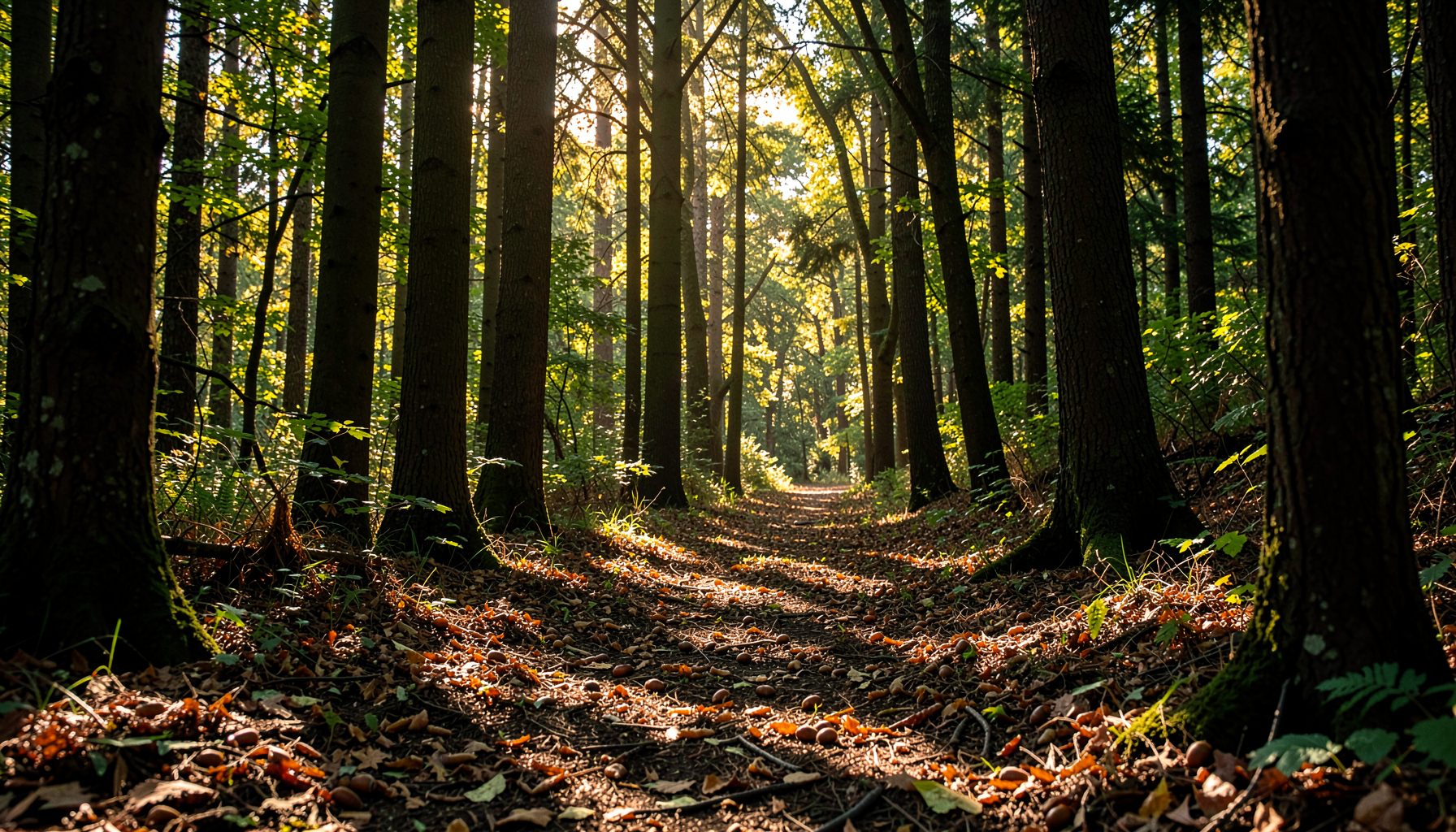
Why elevation diversity matters in native seed collection
A forested watershed is shaped by many small differences in place. A north-facing slope may stay cool and moist while a nearby southern ridge dries quickly under summer sun. Elevation adds another layer of variation, influencing temperature, rainfall, frost timing, soil moisture, growing season length, and the date when seeds mature. These conditions affect how native trees and shrubs survive from one generation to the next.
When volunteers collect acorns, walnuts, fruits, and other native seeds from several elevations, they help preserve a wider portion of the watershed’s natural genetic variation. That diversity can give future seedlings more ways to cope with changing conditions while keeping restoration connected to local ecosystems.
For programs working across the Potomac River watershed, elevation-aware seed collection is a practical part of responsible conservation. It improves the range of plant material available to nurseries and supports restoration efforts that must succeed in floodplains, stream valleys, hillsides, and upland forests.
Elevation creates distinct growing conditions
Elevation is closely tied to climate, but it does not act alone. Slope direction, geology, canopy cover, drainage, and proximity to a river can make two sites at the same height behave differently. Still, higher locations often experience cooler temperatures, stronger winds, later spring development, and an earlier onset of autumn conditions than lower areas nearby.
These environmental differences can influence when trees flower, produce fruit, and release mature seed. An oak growing on a cool ridge may follow a different acorn schedule from one growing beside a warm stream terrace. Black walnut, river birch, sycamore, and native shrubs may also show local timing patterns that reflect their surroundings.
Collecting across these conditions captures seeds from plants that have already survived particular combinations of moisture, temperature, and seasonal stress. It does not guarantee that every seedling will thrive everywhere, but it gives restoration planners a broader and more accurate representation of the watershed’s plant communities.
Genetic variation supports resilient forests
Seeds from multiple elevations can contribute to genetic diversity within nursery-grown seedlings. A genetically varied population is generally better equipped to respond to disturbances such as drought, flooding, pests, disease, and unusual seasonal weather. If every seed comes from a narrow range of conditions, the resulting planting stock may have fewer traits available when the environment changes.
This is especially important as climate patterns become less predictable. A seed source from a lower, warmer site may carry traits useful during heat and water stress, while a source from a cooler elevation may reflect adaptation to shorter growing seasons or repeated frost. Preserving both kinds of material can strengthen the overall restoration population when collection and planting decisions are carefully matched.
Diversity must be managed thoughtfully. Seeds should be identified correctly, gathered from healthy native plants, and associated with reliable location information. The goal is not to mix material without purpose, but to maintain a useful range of local adaptations while avoiding the introduction of species or genetic lines that do not belong in the watershed.
Connecting mountain slopes with stream corridors
A watershed links upland forests to the waterways below them. Seeds collected from higher slopes can represent source populations that protect steep soils, slow runoff, and provide habitat away from the immediate stream edge. Seeds collected in lower areas may be better suited to moist floodplain conditions, periodic inundation, and saturated soils.
Restoration works best when these distinctions inform planting plans. A tree adapted to a dry, rocky ridge may struggle in a flood-prone bank, while a floodplain species may perform poorly on an exposed upper slope. Elevation data, combined with information about soil, hydrology, and aspect, helps nurseries and restoration partners place seedlings where their characteristics are most useful.
The path from collected seed to planted tree involves many stages, from cleaning and storage to germination, nursery care, transport, and establishment. A clear overview of this process appears in the seedling’s journey, showing why the quality and documentation of the original collection matter long after volunteers leave the forest.
Designing a balanced collection effort
A good collection plan treats elevation as one part of a larger sampling strategy. Volunteers and coordinators can identify collection zones that represent low valleys, middle slopes, and higher ridges, then record the species, approximate elevation, date, habitat, and number of parent trees at each site. This information allows seed lots to remain traceable and supports better decisions at the nursery.
Collecting from many individual trees is also important. Gathering every acorn or walnut from a single outstanding tree can create an unbalanced seed lot, even if the site itself is well chosen. Spreading collection across healthy parent trees reduces the influence of one individual and captures more of the genetic variation present in the local population.
| Collection setting | Conditions often represented | Restoration value | Useful records |
|---|---|---|---|
| Lower floodplain | Moist soils, flooding, warmer temperatures | Stream banks, wetlands, river terraces | Flood exposure, soil moisture, species |
| Middle slope | Mixed drainage, moderate exposure | Hillsides, tributary corridors, forest edges | Elevation, aspect, canopy, collection date |
| Upper ridge | Drier soils, wind, cooler nights | Upland forests, erosion-prone slopes | Ridge position, soil texture, parent trees |
| Multiple elevations | Broad seasonal and climatic range | Flexible, diverse restoration stock | Separate seed lots and precise source locations |
Keeping seed lots separate during collection and processing can be useful when planting conditions are known. It preserves the ability to match source material with restoration sites rather than blending everything into one indistinguishable batch. In some projects, a carefully designed mixture may be appropriate; in others, local matching is the better choice.
Making volunteer collection scientifically useful
Volunteers play a valuable role because seed collection requires many eyes across a large landscape and a relatively short harvest window. Families, students, workplaces, and community groups can visit different parts of the watershed and contribute observations that would be difficult for a small professional team to gather alone.
Training helps turn enthusiasm into dependable conservation data. Participants should learn to recognize target trees, distinguish mature seeds from damaged ones, avoid collecting from diseased or stressed plants, and leave enough seed for wildlife and natural regeneration. They also need clear instructions for labeling bags and reporting the collection site.
Programs such as Growing Native connect volunteer action with nursery production, streamside planting, and environmental education. Their conservation mission reflects the broader value of collecting native hardwood and shrub seeds: each contribution can support cleaner water, reduced erosion, healthier habitat, and long-term stewardship across the watershed.
Elevation-based work can also become a hands-on lesson in forest ecology. Students may compare leaf-out dates, soil moisture, tree height, or seed maturity between sites. Community groups can map collection areas and observe how a ridge drains into a tributary. These activities make the relationship between landscape position and plant survival easier to understand.
Recommendations for stronger seed sourcing
Successful collection depends on consistent field habits and a clear connection between source sites and restoration goals. The following practices help maintain diversity while protecting the health of wild plant populations:
- Sample low, middle, and high elevations when those zones occur within the project area.
- Collect from many healthy parent trees rather than concentrating on one prolific individual.
- Record species, location, elevation, habitat, date, and approximate parent-tree count.
- Keep seed lots identifiable so nursery staff can match sources with suitable planting sites.
- Follow seasonal collection limits and leave enough mature seed for wildlife and natural regeneration.
These practices should be adapted to the biology of each species. Some trees produce heavily only in certain years, while others release seeds over a longer period. Weather can also shift collection dates from one season to the next, so local observation remains essential even when a general calendar is available.
The most useful data is information that can be collected accurately by many people. A simple form, clear labels, photographs, and basic identification guidance may produce better long-term results than a complicated system that volunteers cannot use consistently. Good organization protects the value of every seed lot and helps restoration partners learn from each planting cycle.
Collecting seeds from diverse elevations is a way to respect the complexity already present in the Potomac River watershed. Every elevation band contains plants shaped by particular conditions, and those living adaptations are valuable resources for future forests. By gathering responsibly, documenting carefully, and supporting nursery and planting partners, volunteers help build restoration projects with deeper ecological roots.
Healthy watersheds are restored through repeated local actions: a bag of acorns from a ridge, walnuts from a middle slope, or native shrub seeds from a stream valley. Participate in a Growing Native collection event, bring a school or community group into the field, and help expand the diversity of seedlings returning to the riverbank.