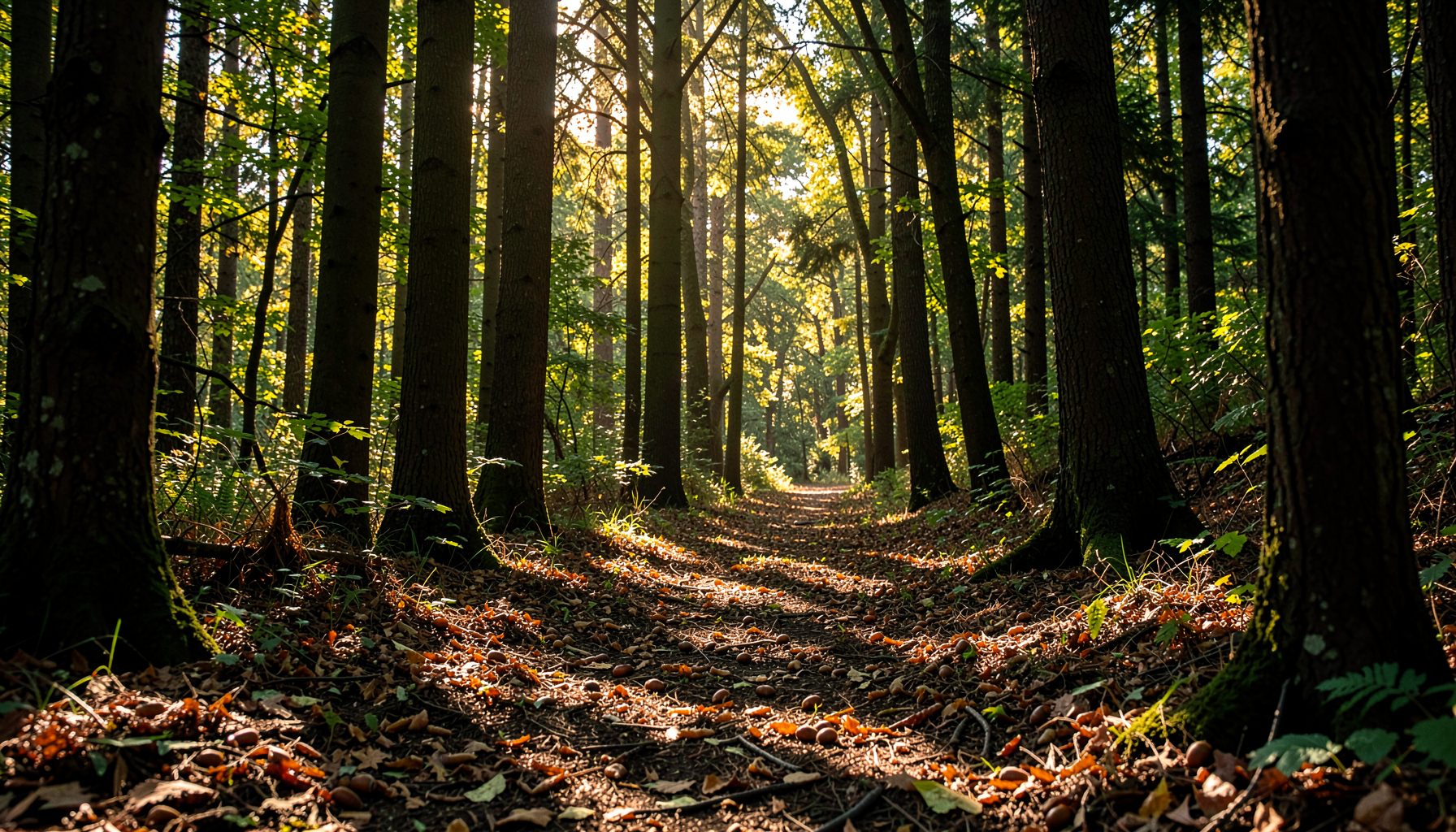
Native Trees Create Essential Pollinator Habitat
Healthy forests begin with relationships among plants, insects, birds, soil, and water. Native trees are part of that network, providing nectar, pollen, shelter, nesting materials, and seasonal food for bees, butterflies, moths, beetles, and other pollinators. Their value extends well beyond the shade they cast or the carbon they store.
In the Potomac River watershed, restoring native trees can strengthen both terrestrial and aquatic ecosystems. Streamside forests filter runoff, stabilize soil, cool waterways, and create connected habitat corridors. When those forests include a diverse mix of native hardwoods and shrubs, they also support pollinator communities throughout the year.
Growing Native helps make this work practical by organizing volunteers to collect seeds such as acorns and walnuts. Those seeds are donated to state nurseries, where they can become seedlings for future restoration projects. Each collected seed represents a potential tree, a future food source, and another link in a resilient watershed.
Why Native Trees Matter To Pollinators
Native pollinators have evolved alongside regional plants over thousands of years. Many insects recognize local trees through their chemical signals, bloom timing, leaf shape, or scent. While ornamental plants may provide brief bursts of color, native trees often offer a more dependable combination of food and shelter suited to local wildlife.
Trees support pollinators in several ways. Their flowers produce nectar for adult insects, while their leaves feed caterpillars and other larval forms. Bark crevices, dead branches, cavities, and leaf litter provide places for insects to rest, overwinter, or complete their life cycles. A mature oak, for example, can host a remarkable range of insects whose presence supports birds and other wildlife as well.
Shrubs and smaller native plants fill important gaps beneath the canopy. Together, trees, understory vegetation, fallen leaves, and woody debris create layers of habitat. This structural diversity gives pollinators protection from wind and extreme temperatures while allowing different species to find resources at different heights and times.
Seasonal Resources In A Living Forest
Pollinator habitat must provide food across the growing season rather than during a single flowering period. Early-blooming native trees and shrubs can help emerging bees find nourishment after winter, when few other flowers are available. Spring blossoms from serviceberry, red maple, willow, and other regional species may be especially important for early-flying insects.
As temperatures rise, flowering trees such as black locust, tulip poplar, and basswood can provide abundant nectar. Their canopies may become busy feeding areas for bees, flies, beetles, butterflies, and moths. Some flowers are easy for many insects to access, while others favor particular pollinators with specialized body shapes or feeding behaviors.
Autumn resources are equally significant. Goldenrod, asters, and other late-season plants often grow around forest edges, but native trees contribute too. Their seeds, fruits, and foliage sustain birds and mammals that help maintain the broader food web. Fallen leaves also shelter insects and enrich the soil, preparing the forest floor for another season of growth.
A diverse planting plan is therefore more valuable than a landscape dominated by one highly visible species. Diversity spreads risk from pests, disease, drought, and changing weather. It also creates a continuous sequence of resources for pollinators from early spring through late fall.
Forests, Waterways, And Habitat Corridors
Streamside forests are among the most productive places to restore native vegetation. Tree roots hold banks in place, while trunks and branches slow stormwater and reduce erosion. The canopy shades streams, helping maintain cooler water temperatures for aquatic life. These same forests create travel routes for pollinators moving between meadows, woodland openings, gardens, and wetlands.
A connected habitat corridor is especially valuable in developed watersheds. Roads, lawns, parking areas, and buildings can divide natural areas into isolated patches. Native trees help reconnect those patches, giving insects and other wildlife cover as they move across the landscape. Even a narrow riparian buffer can serve as a steppingstone between larger habitats.
The environmental benefits of these forests also have measurable social and financial value. Cleaner drinking water, reduced flood damage, healthier fisheries, and lower water-treatment costs are among the reasons healthy watershed forests matter to communities. Pollinator habitat is part of this larger public benefit because productive ecosystems support food systems, biodiversity, and ecological stability.
The relationship works in both directions. Pollinators help native trees reproduce by carrying pollen among flowers, while trees provide the habitat and resources pollinators need. Protecting one strengthens the other, creating a cycle of regeneration that can continue for decades when forests are given room to mature.
| Native tree or shrub | Pollinator and wildlife value | Watershed benefit |
|---|---|---|
| Oak | Supports many caterpillars, bees, and acorn-eating wildlife | Deep roots improve soil stability and water infiltration |
| Willow | Offers early-season pollen and nectar for emerging insects | Thrives near water and helps hold stream banks |
| Serviceberry | Provides spring flowers and summer fruit | Adds diversity to streamside and woodland edges |
| Black locust | Produces abundant nectar during late spring | Helps stabilize disturbed soils when appropriately managed |
| Basswood | Supplies rich nectar for bees and other insects | Contributes shade and organic matter to forest systems |
From Seeds To Pollinator Habitat
Restoration begins long before a seedling is planted. Volunteers learn to identify native trees, gather healthy seeds at the right time, and handle them carefully so they remain viable. Acorns, walnuts, and other seeds may require cleaning, sorting, drying, or specific storage conditions before they can be sent to a nursery.
Community collection events turn conservation into a shared activity. Families can explore seasonal changes in local forests, students can connect biology lessons to real ecosystems, and workplaces or civic groups can contribute to a regional restoration effort. These experiences help people see that forest recovery depends on many small actions carried out consistently.
Simple tools can make seed handling easier for volunteer groups. A community team can use these instructions to build a seed-drying rack that improves airflow and keeps collected material organized. Good preparation reduces waste and increases the chance that collected seeds will become vigorous nursery stock.
The timeline from seed collection to pollinator habitat is long. A seed may spend months in storage, several years in a nursery, and many more years growing in a restoration site before it provides the full benefits of a mature tree. That long view is central to conservation: today’s volunteers are creating resources for insects, wildlife, and communities they may never personally see.
Designing And Caring For Diverse Habitat
Planting native trees is most effective when it is paired with thoughtful site preparation and long-term care. Restoration teams should consider soil moisture, sunlight, existing vegetation, deer pressure, invasive plants, and the natural composition of nearby forests. Matching species to local conditions improves survival and reduces the need for intensive maintenance.
A mixture of canopy trees, smaller understory trees, shrubs, and flowering ground-layer plants creates more complete pollinator habitat. Forest edges can support sun-loving blooms, while interior areas offer shade, moisture, and shelter. Fallen logs and leaf litter should remain where safety allows, since they provide nesting and overwintering sites for numerous organisms.
The following practices can help communities support pollinators while strengthening native forest restoration:
- Plant several native species with different flowering periods and growth forms.
- Protect leaf litter, standing dead wood, and fallen branches in appropriate areas.
- Remove invasive plants that crowd out native food and nesting resources.
- Reduce pesticide use, especially during periods of active flowering.
- Monitor planted areas and replace failed seedlings with locally suitable species.
Maintenance should focus on helping native plants establish rather than keeping every area highly manicured. Occasional watering during drought, invasive plant control, and protection from browsing may be necessary during the first few years. Once a diverse plant community develops, natural processes can provide much of the ongoing support.
Learning Through Local Stewardship
Education makes restoration more durable. When people can identify an oak, willow, or serviceberry and understand its role in the watershed, they are more likely to protect it. Lessons about tree identification, forest ecology, seed collection, and water quality can turn an abstract environmental issue into a nearby and observable experience.
Growing Native provides watershed education resources for people who want to deepen that understanding. These materials can support classroom activities, volunteer training, family nature walks, and community discussions. Learning to recognize native species also helps participants collect seeds responsibly and avoid confusing them with invasive or unsuitable plants.
Hands-on participation has a lasting effect because it combines knowledge with responsibility. A student who gathers acorns, a family that helps restore a stream buffer, or a workplace team that prepares seeds may develop a continuing relationship with the landscape. Those relationships encourage careful stewardship long after a single event ends.
Pollinator habitat becomes stronger when conservation is treated as a community practice rather than a one-time planting project. Volunteers can observe which species bloom, record insect activity, report seedling survival, and share lessons with neighbors. These observations help restoration teams improve future efforts while showing how local actions contribute to watershed-wide health.
Grow The Next Generation Of Forests
Native trees give pollinators food, shelter, and seasonal continuity while protecting the streams and soils on which communities depend. Their benefits increase as forests mature, connect, and develop multiple layers of vegetation. Supporting seed collection and restoration today helps create habitat that will serve wildlife for generations.
Volunteer with Growing Native by joining a seed collection event, bringing a school or community group into the program, or learning how native trees support a healthier Potomac watershed. Every responsibly gathered seed and every restored streamside planting helps turn conservation into a living legacy.