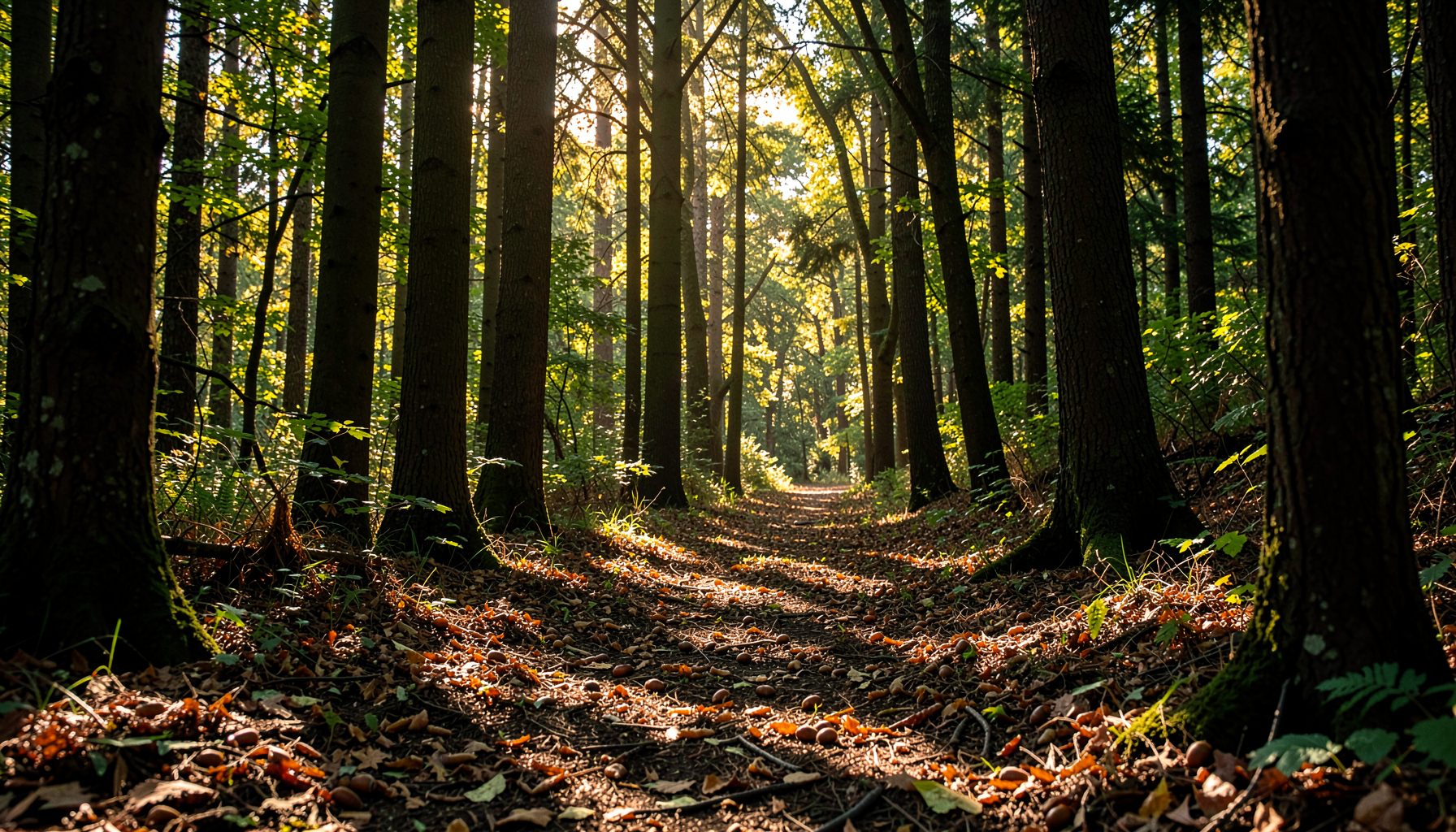
How native seeds sustain pollinators and shape healthier catchments
When a fallen acorn is gathered from a streambank and sent to a nursery, it begins a journey that extends far beyond the next decade of forest growth. The same is true when a volunteer collects banksia follicles along a coastal track in Sydney or hand-picks eucalyptus capsules in the foothills outside Melbourne. Each native seed carries the genetic blueprint for flowers, nectar, pollen, and habitat structure that thousands of insect species depend on. Pollinators do not only visit mature flowering trees; they rely on the successional stages of native vegetation, from fresh seedlings to dense thickets, for nesting sites, larval host plants, and continuous forage throughout the year.
The relationship between native seeds and pollinator food sources is fundamentally one of timing, diversity, and geography. A catchment that loses its understorey shrubs loses the early-season nectar that native bees emerge to find. A suburb that removes every eucalyptus sapling removes the future canopy that honeyeaters, lorikeets, and countless beetles will need. Understanding this connection changes how volunteers, landholders, and conservation groups approach seed collection, ensuring that efforts to restore forests simultaneously rebuild the invisible pantry that sustains pollinators.
The hidden partnership between seeds and pollinators
Pollinators are often associated with showy blooms, yet their survival begins long before a flower opens. Many of Australia's solitary native bees, including the blue-banded and teddy bear varieties, depend on the leaves, stems, and soil structure created by native plants for nesting. A future pollinator habitat starts with a seed that germinates into a plant that will eventually feed adult insects, host their larvae, or shelter them from predators. Without local seed sources, revegetation projects default to non-native ornamentals that offer little ecological value to these specialists.
Native seeds also encode phenological information. Plants grown from locally collected acorns, walnuts, and shrub seeds tend to flower at times aligned with local temperature and rainfall patterns, providing more reliable food sources for pollinators than generic nursery stock. When seeds are gathered from healthy, biodiverse catchments and grown into streamside seedlings, the resulting trees and shrubs inherit the capacity to support insect communities through heatwaves, dry spells, and the unpredictable swings that define much of Australia's climate. Provenance matters: a eucalyptus seedling grown from a Canberra parent may bloom weeks earlier or later than one grown from a coastal parent, shifting the local food calendar in subtle but meaningful ways.
The partnership extends underground as well. Mycorrhizal networks associated with native seedlings support ground-nesting bees and beetles, while leaf litter from native shrubs shelters spiders, centipedes, and parasitoid wasps that regulate pollinator populations. Every seed planted is a node in a much wider food web that begins with microbial life and ends with the birds and mammals that depend on healthy insect populations. Even the timing of leaf fall influences when invertebrates emerge, creating a cascade that connects seed dispersal to pollinator activity in ways that researchers are still mapping.
Reading the landscape: Australian conditions
Australia's pollinator story cannot be told without acknowledging its climatic extremes and biogeographic quirks. In Melbourne, urban bushcare groups have spent decades restoring creek lines where indigenous plants such as Meagher's gum and various wattles once supported the now-threatened golden sun moth. In Sydney's coastal suburbs, community nurseries propagate banksia and grevillea from locally sourced seed to replace invasive lantana along remnant bushland fringes. These grassroots efforts reflect a growing recognition that pollinator recovery depends on the genetic provenance of every seedling planted.
These efforts sit within a broader legislative and cultural framework. The Native Vegetation Act 2003 in New South Wales, for example, regulates how landowners can manage remnant vegetation, encouraging the retention and regeneration of native species that form pollinator habitat. In Queensland, Bushcare and Landcare groups operate under similar principles, often coordinating with local councils to map pollinator corridors and prioritise revegetation along creeks that drain into the Murray-Darling Basin. Compliance with these frameworks is increasingly tied to funding for restoration projects, making native seed collection a practical entry point for community involvement.
Climate variability adds urgency. Prolonged drought in southeastern Australia has reduced floral resources, pushing many native bees and butterflies to the brink in fragmented landscapes. Recovery efforts increasingly focus on planting drought-tolerant native species whose deep roots stabilise soil and whose flowers offer reliable nectar during the hottest months. For many growers, this means choosing seedlings raised from seed collected within their own bioregion, ensuring the plants are adapted to local soils, rainfall patterns, and the timing of pollinator activity. Bushfire recovery in places like the Adelaide Hills and along the east coast has further accelerated interest in direct-seeding techniques that restore pollinator habitat alongside canopy trees.
Seasonal calendars and forage availability
Pollinators experience food scarcity differently from vertebrates. A gap of two or three weeks without nectar can mean local extinction for a small solitary bee colony, while a prolonged dearth affects migratory species such as the wanderer butterfly that moves along Australia's eastern coast. Native seeds and the plants they become must therefore be scheduled across the calendar to provide overlapping blooms that keep insect populations viable year-round.
In temperate Australia, winter-flowering banksias feed honeyeaters and various native bees when little else is in flower. Spring brings a flush of eucalyptus, melaleuca, and acacia, providing massive but short-lived resources. Summer, often dry and hot, demands species such as grevilleas, hakeas, and correas that bloom through heat. Autumn offers late eucalyptus species and various ground covers that sustain insects preparing for dormancy.
When seed collectors work across these seasons, they help nurseries plan a rotation of species that supports pollinators year-round. A volunteer gathering acorns in March contributes to a canopy that will shade a creek in twenty years, but the same collector gathering correa cuttings in June contributes to next winter's floral display. Recognising these overlapping timelines helps groups such as Growing Native align their collection calendars with the actual periods of pollinator need, ensuring that no season becomes a bottleneck for local food webs.
Seed collection practices that support pollinators
Thoughtful seed collection can directly enhance pollinator food sources when practitioners keep a few principles in mind. The choices made in the field shape what blooms in five, ten, or fifty years.
Approaches widely adopted by Australian bushcare and conservation networks:
- Collecting from multiple parent trees within a catchment to preserve genetic diversity and extend bloom periods.
- Targeting understorey species that flower early or late in the season to fill nectar gaps.
- Avoiding over-harvesting from any single plant, which can stress local pollinator populations that depend on its flowers.
- Recording phenology data such as flowering time and fruiting triggers to inform future planting schedules.
- Coordinating with neighbours and councils to ensure collected seeds are grown into seedlings that suit the planting site's soil, aspect, and moisture.
Those interested in identifying suitable species can consult a photo guide to common native tree seeds in the fall, which illustrates how acorns, walnuts, and various capsules differ in shape, colour, and maturity. Pairing visual identification with local knowledge helps volunteers choose seeds that will grow into the most ecologically valuable plants, while also building the observational skills needed for long-term stewardship.
Turning local effort into catchment-scale change
Individual seed collections become meaningful when they are aggregated, grown, and planted strategically across a catchment. Australia's 20 Million Trees program and equivalent state initiatives have demonstrated that small, distributed plantings can connect fragmented habitat, allowing pollinators to move safely between food sources. A single streetside planting of indigenous grasses in suburban Perth may seem modest, yet it forms part of a corridor that supports native bees across many suburbs, linking remnant bushland to revegetated creek lines.
Scaling up requires coordination between collectors, nurseries, and planters. Community nurseries in places like Hobart and Brisbane now operate with pollinator goals explicitly written into their species selection criteria, prioritising plants that offer high nectar volumes, long bloom periods, or specialist value for rare insects. Schools participating in seed-collecting days often follow up by planting seedlings in local reserves, completing a cycle that children can observe across seasons and teaching the next generation how a single seed links soil, flower, and pollinator.
Practical pathways for expanding community impact:
- Joining or starting a local bushcare or Landcare group to coordinate collection events.
- Partnering with a community nursery to grow seedlings tailored to specific pollinator targets.
- Mapping existing native vegetation on your property or street to identify gaps and opportunities.
- Advocating for native plantings in council parklands and transport corridors.
- Recording pollinator visits to planted sites to build a local dataset over time.
For those inspired to deepen their involvement, learning about Growing Native offers a starting point for understanding how volunteer-collected seeds flow through state nurseries and into streamside plantings. When individuals, families, and workplaces each contribute a few hours of collection or planting, the cumulative effect is a catchment rich in both forest structure and pollinator sustenance, supporting cleaner water, healthier soils, and more resilient ecosystems across the region.
Volunteers across the catchment are invited to sign up for an upcoming collection event, request a planting guide from a local council, or share this article with a neighbour wondering what to plant in an empty garden corner. Every handful of native seed is a quiet investment in the next generation of flowers, the next generation of bees, and the next generation of catchments we all depend on, and every new contributor helps turn scattered seeds into continuous bloom across the landscape.