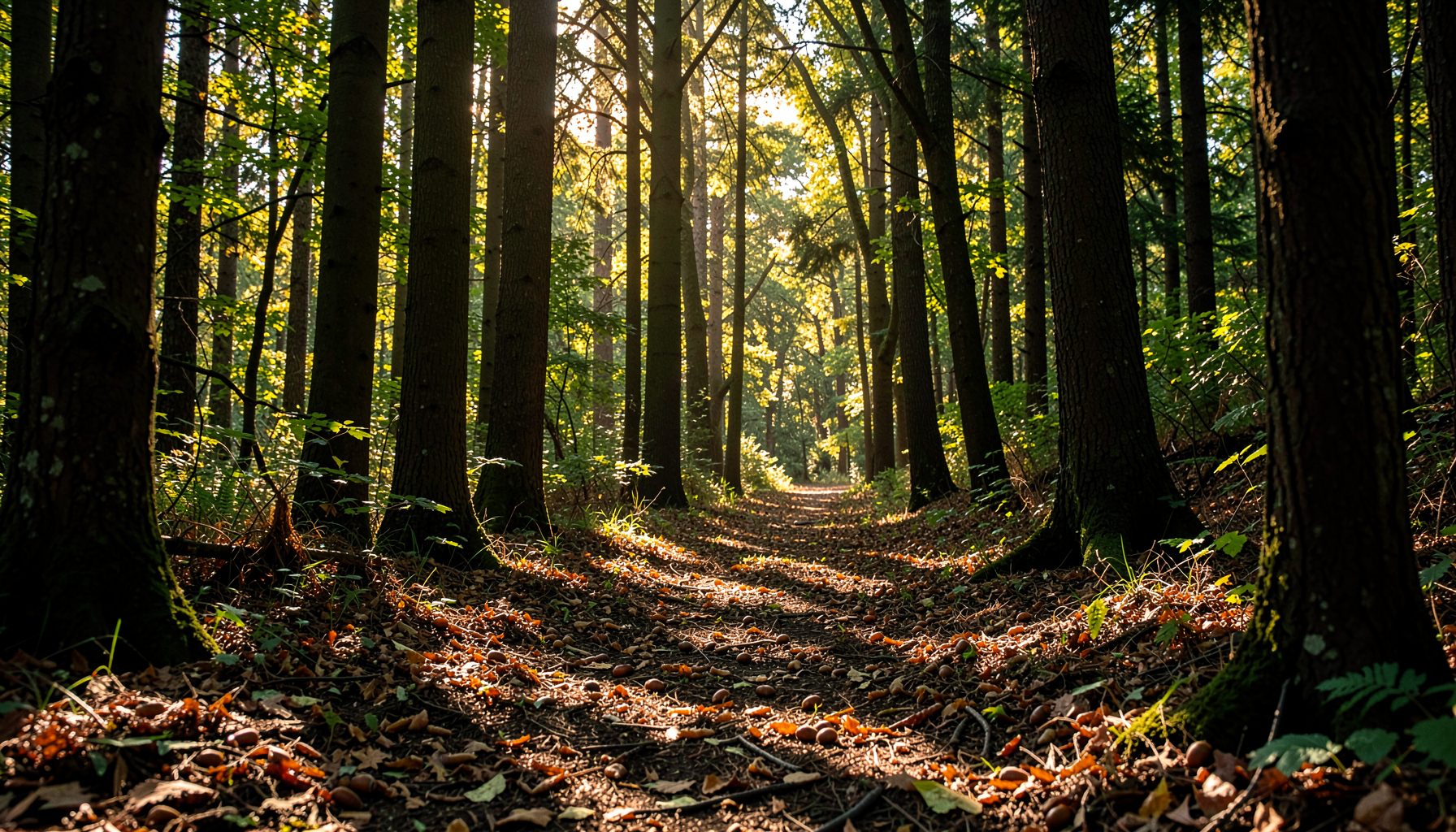
When the Morning Holds the Best Tree Seeds
The best time of day to collect tree seeds is usually early morning, after dew has lifted but before direct sun and rising temperatures dry the pods, cones and fruit. At that point, seeds are often firm, less stressed by heat and easier to handle without damaging their outer coats. Timing still depends on the species, weather, and stage of ripeness, so the clock is only one part of a successful seed-collecting plan.
For Australian volunteers, the ideal window may arrive soon after sunrise in a warm Brisbane suburb, a dry Canberra reserve or a cool forest near Melbourne. Local conditions can change quickly: a hot northerly wind may dry seed capsules before breakfast, while coastal humidity around Sydney can keep fallen fruit damp for longer. Careful observation, clean equipment and accurate identification help protect seed viability from collection through nursery propagation.
Why Morning Conditions Matter
Overnight temperatures are generally lower, and plant material has had time to rest without strong sunlight. Seeds collected during this period have experienced less heat stress and are less likely to have become brittle, overheated or dehydrated on the tree or ground. Morning air can also make it easier to distinguish fresh, sound material from old debris.
The most useful collection period is often mid-morning rather than the instant daylight appears. Wait until heavy dew or surface moisture has evaporated, particularly when collecting pods, acorns or winged seeds. Excess moisture trapped in a bag can encourage mould, while intense afternoon heat can reduce viability and accelerate deterioration.
Rain changes the equation. If a storm passed overnight, postpone collection until pods and fruit are dry, unless the species sheds seed rapidly. In Australia’s wet tropics, morning may remain humid for hours, so ventilation matters as much as the time on the clock. In drier inland areas, an earlier start may be essential before heat and wind cause seeds to scatter.
Read Moisture, Heat And Humidity
Seed viability is influenced by moisture content, temperature and physical maturity. A seed that is too wet may rot during storage, but one that has dried excessively on a hot branch may have lost its ability to germinate. The safest approach is to collect mature material on a dry day and move it into shade immediately.
Look for pods that have changed from green to their mature colour, fruit that separates naturally from the branch, or cones and capsules beginning to open. A mature seed is often heavy for its size and has a firm coat. Immature seeds may be pale, soft or easily crushed. Fallen seeds can be useful, but avoid those lying in puddles, compacted soil or animal droppings.
Humidity also affects collection methods. Use shallow, breathable containers rather than sealed plastic bags while working. Paper bags, woven baskets and ventilated tubs allow heat to escape. Label each batch with the species, site, date, approximate time and collector’s name, since these details help nurseries assess and manage the material.
Match Collection Time To Seed Type
Large nuts such as acorns and walnuts are often easiest to collect during the morning after they have fallen naturally. Select sound specimens with intact shells and avoid seeds with pinholes, soft patches or fungal growth. A tarp beneath a tree can make collection more efficient, although it should never damage groundcover or interfere with wildlife.
Dry capsules and winged seeds require a slightly different approach. Collect them when they are mature but before the capsule has released its contents in strong wind. A light tap of a branch may reveal whether seeds are ready, but cutting live branches or stripping large quantities of foliage can weaken the tree. For some Australian species, including wattles and eucalypts, seed capsules may remain attached for a long time and need careful handling rather than immediate removal.
Fleshy fruits should generally be picked when fully ripe, then processed promptly. Remove pulp according to the species’ requirements and keep the cleaned seed cool. Avoid leaving fruit in a hot vehicle, especially during a summer collection in Adelaide or Perth. A shaded, air-conditioned room is preferable to a closed boot where temperatures can rise rapidly.
Identify Ripe Seeds Before Picking
Correct identification prevents a well-intentioned collection from becoming a mix of unsuitable or invasive plants. Study leaves, bark, fruit, buds and the tree’s habitat before gathering. When a species has poisonous lookalikes, collect only when identification is certain and follow local land-manager rules.
Seasonal timing varies across Australia. Eucalypts, banksias, wattles and rainforest trees each respond to different rainfall and temperature patterns, so a collection calendar for Melbourne cannot simply be transferred to Darwin. Even within one species, trees in a sheltered urban park may mature before trees exposed to cool mountain conditions.
Some common names create confusion across countries. American pawpaw, for example, is different from papaya, and its fruit and leaves should be checked carefully before collecting. A detailed pawpaw identification guide can help volunteers understand the identifying features of that species and avoid relying on a familiar-sounding name alone.
Handle And Store Freshly Collected Seed
Once collected, keep seed cool, shaded and clearly separated by species and collection site. Do not leave containers in direct sun while continuing to work. If material is damp, spread it in a single layer on clean paper or mesh in a well-ventilated area. Drying requirements differ, so avoid applying heat unless reliable propagation guidance recommends it.
Inspect each batch before storage. Remove damaged, empty or mouldy seeds, but do not wash dry seeds unnecessarily. Fleshy fruit may need cleaning, while nuts and dry capsules usually benefit from gentle air drying. Never mix new material with an older batch, because different moisture levels can lead to condensation and spoilage.
Storage conditions should reflect the biology of the species. Some seeds tolerate cool, dry storage, while others are recalcitrant and lose viability if they dry out. Record the collection date and deliver material to a nursery or restoration partner as soon as possible. State nurseries, landcare groups and native plant societies can provide species-specific instructions for local conditions.
Turn Collection Into A Community Practice
Seed collecting works best when it is organised as a conservation activity rather than an unplanned gathering exercise. Volunteers should obtain permission before entering private property, council reserves or protected areas, and should never remove all available seed from a single tree. Leaving some for natural regeneration and wildlife is part of responsible collection.
Growing Native demonstrates how community members can support forest and watershed restoration by collecting native hardwood and shrub seeds for nursery production. Its work with acorns, walnuts and other native seed supports streamside planting, erosion control and cleaner water in the Potomac River watershed. Australian schools, workplaces and community groups can apply the same principles through local Landcare networks, council revegetation projects and native plant nurseries.
A short morning session can become a valuable learning activity. Children can compare seed shapes, workers can record urban canopy species near their offices, and families can link tree identification with waterway health. In cities such as Sydney and Melbourne, these activities can also complement community nursery days and native plant markets, where locally appropriate seedlings are exchanged and discussed.
A Practical Morning Collection Checklist
- Check land access, weather forecasts and any local collection restrictions before leaving.
- Choose a dry collection window after dew has lifted and before strong afternoon heat.
- Bring breathable bags, clean containers, labels, pencils, gloves and a hand lens.
- Collect only mature, healthy seed and leave enough material for wildlife and natural regeneration.
- Record species, location, date, time, weather and the number of parent trees sampled.
- Keep batches shaded and ventilated, then follow nursery guidance for cleaning and storage.
- Deliver or process seed promptly, especially fleshy fruit and material gathered in humid weather.
Healthy seed begins with a careful decision in the field, but its value is realised through the people who document, propagate and plant it. Support local restoration by joining a community seed-collection day, sharing accurate tree-identification resources with a school or workplace, or learning how Growing Native supports restoration through volunteer-led conservation. A cool morning, a labelled bag and a responsible collection method can help turn seasonal seed into forests that protect waterways for decades.