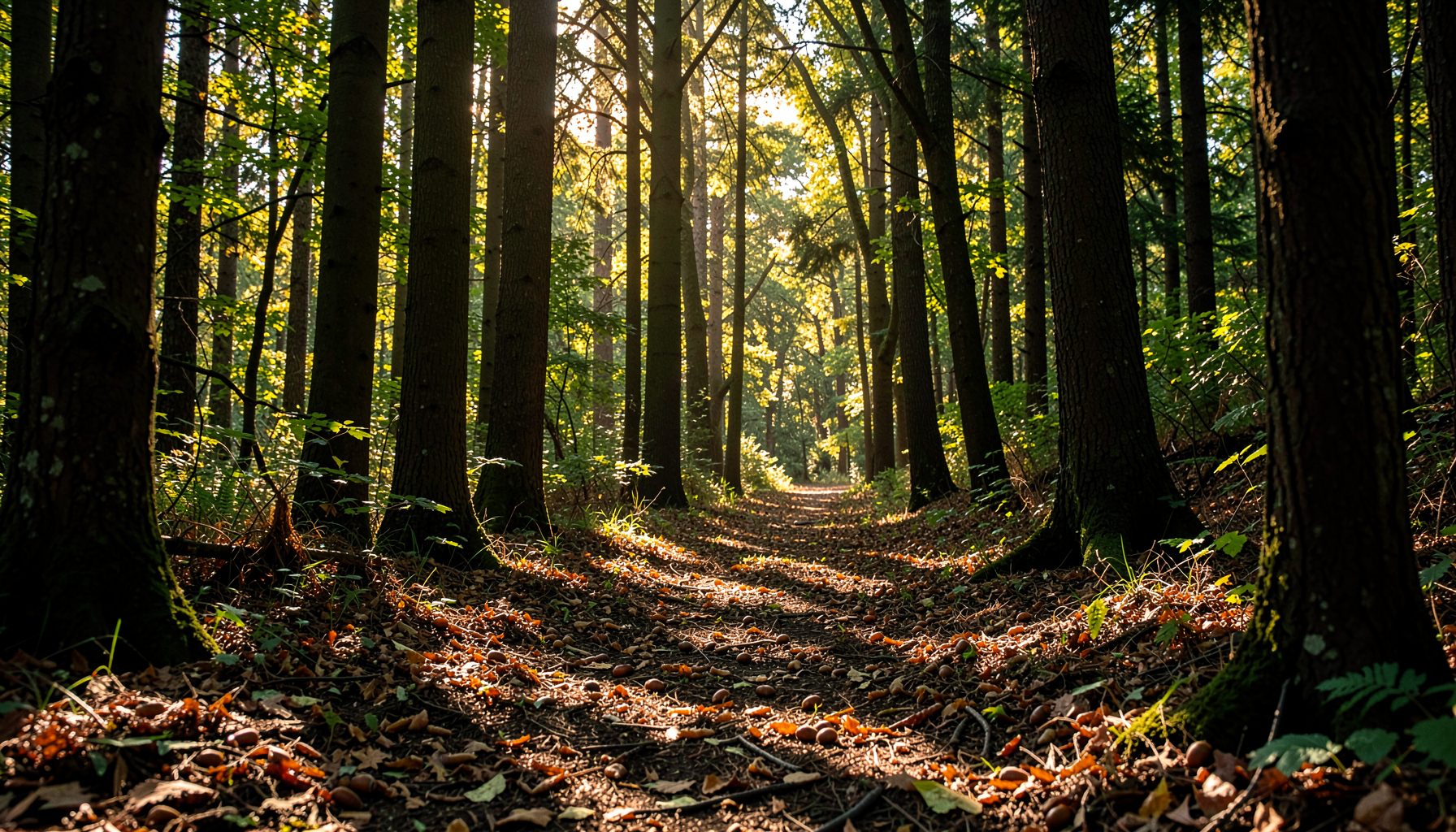
When to Harvest Native Seeds for the Strongest Germination Rates
Timing shapes every step of seed collection, from how plump a fruit looks on the branch to how eagerly an embryo wakes in the soil. Volunteers who join bushcare efforts along the Yarra River or in the Brisbane Ranges often focus on what they collect and forget to ask when. The answer sits in a narrow daily window when moisture, temperature and seed physiology line up.
Australian growers, from hobby propagators in suburban Hobart to crews working with Greening Australia, have long noticed that morning harvests behave differently to afternoon ones. The difference reflects how plants manage water, sugar concentration and dormancy across a 24-hour cycle.
Getting those daily rhythms right lets collectors walk away with viable lots that survive drying, storage and a nursery bed. The same knowledge protects the parent tree, since seeds picked at the wrong moment can leave a branch wounded and exposed to infection.
Why early morning often wins for viability
Seed moisture peaks just after sunrise, when overnight dew has rehydrated fruits and cones that shrivelled the previous afternoon. For many eucalypts and acacias, this softens the outer coat just enough to make picking easier without crushing the seed. Collectors who arrive at a Bellinger River riparian site before nine o'clock often report cleaner separation of seed from husk, with fewer aborted embryos in the sample.
Temperature plays a supporting role. Australian afternoons, especially inland, can push surface temperatures past thirty-five degrees in spring. Heat stresses the seed and accelerates moisture loss from any fruit still attached. By harvesting early, volunteers avoid the moment when the embryo itself begins to lose water content, pushing borderline seeds below the threshold where germination will succeed.
Light intensity matters too. Many native seeds reach peak physiological maturity in the warm, bright hours of late morning, but they keep that maturity only briefly. Picking them in that window, after the dew has lifted but before the sun has cooked them, captures them at their highest energy.
The hormonal rhythms inside the seed
Seeds carry their own circadian clock, well documented in grains and increasingly understood in woody perennials. Abscisic acid, the hormone that enforces dormancy, fluctuates across the day, and so do the gibberellins that eventually break that dormancy. Recent work on acorns and walnuts suggests the balance tips slightly toward germination-readiness around dawn.
This internal clock does not override the environment, but it sets the baseline. Volunteers who collect at midday often gather seeds whose chemistry is still ramping up dormancy signals. Those seeds need longer stratification and show patchy germination in the nursery. Morning collections arrive at the propagation bench already nudging toward active growth.
For Australian species such as banksia and hakea, where serotinous cones only open after fire or heat, the rhythm works differently. Collectors wait until late morning, once cones have released seeds under the sun, then scoop them up before the wind scatters them. The same logic applies: catch the seed when it has just left the parent and reserves are freshest.
Weather, dew point and the drying curve
The best window for collection does not exist in isolation. It interacts with the week's weather pattern. After a soaking rain in the Daintree lowlands, seeds absorb extra moisture and need twenty-four to thirty-six hours to settle back to a stable internal water content. Collectors who head out too soon after rain risk picking seeds that will mould in storage, even on a sunny day.
Dew point tells a more precise story. When early morning air sits close to saturation, condensation forms on seed coats and fruit surfaces. This extra film of water actually helps with collection in some species, because it reduces the brittleness of papery wings on eucalyptus or casuarina seeds. Pickers can gather whole clusters without shattering them.
Wind is the final piece. A still morning, common in the hour or two after sunrise in sheltered gullies, keeps lightweight seeds from blowing away the moment they leave the branch. Some of the cleanest harvests in Landcare projects along the Murray River corridor have come from foggy, calm mornings when collectors could see each seed drop.
Species-specific timing quirks
Not every native seed follows the same daily schedule. Wattle pods tend to twist and explode on hot afternoons, flinging seeds several metres from the parent shrub. Picking them in the cool of the morning, while pods are still slightly damp and less spring-loaded, prevents a frustrating scatter. A paper bag held beneath the branch is often enough.
Eucalyptus capsules behave almost the opposite way. They need a dry, warm stretch to open fully and release chaff and seed. Collectors aiming for high-purity lots wait until late morning, when the first warmth has split the valves but the wind has not yet carried seed away. In coastal forests around Coffs Harbour, this window typically falls between nine and ten-thirty.
Fleshy fruits like quandong, muntries and native cherry sit in another category. Sugar content shifts through the day, attracting birds early and late. Picking for seed is best done around mid-morning when flesh has softened but before the first lorikeet arrives.
Mistakes that drag down germination rates
One common error is waiting until the afternoon because the morning feels too cold or the bush tracks feel slippery. By lunchtime, ultraviolet exposure has begun to degrade the lipid-rich embryos inside many seeds, and surface sugars on fruits like quandong or native raspberry have caramelised enough to attract insects.
Another mistake is collecting from the ground rather than the tree when mornings are busy. Fallen seeds sit on damp leaf litter for hours, and fungal spores have already started colonising the seed coat. Tree-picked seeds, harvested directly into a paper bag in the cool of the morning, almost always out-germinate their ground-collected neighbours.
Collectors also underestimate how quickly seeds heat up inside a closed container. A calico sack left in a ute tray by midday can reach internal temperatures above forty degrees, cooking the embryo within an hour. Experienced bush regenerators in the Hunter Valley insist on insulated eskies with a damp cloth for any collection made after nine o'clock.
Practical routines for bushcare volunteers
A reliable routine starts the night before. Volunteers check the Bureau of Meteorology forecast for overnight minimums and confirm no heavy rain is expected before nine o'clock. They pack paper bags rather than plastic, label everything with site and time, and load an esky with a cool pack.
On site, they walk the chosen trees between six-thirty and nine-thirty, when light is bright enough to see seed colour but the sun has not yet hit the canopy hard. They pick directly into labelled bags, keep bags in shade, and weigh the harvest before moving on. This makes it easy to track which collections later perform best.
Once home, volunteers spread seeds on mesh trays in a cool, dry shed and monitor moisture content over the following week. The cleanest lots get packed for donation or direct sowing. Volunteers wanting to support similar work beyond Australia can find local programs through Growing Native's volunteer portal, where seed collection is one of several ways to get involved.
Reading the signs of seed readiness
Before timing matters, readiness matters more. Reliable visual cues help volunteers decide whether a seed is worth picking.
- Capsules have turned from green to brown, with a papery texture that splits at the lightest touch
- Acorns, walnuts and similar nuts show a fully coloured shell with no green patch near the cap
- Pods feel dry and rattle when gently shaken, signalling seeds have separated from the lining
- Cones of banksia, hakea and similar species have opened along their scales, even by a millimetre or two
- Fleshy fruits like quandong or native cherry have deepened in colour and pull away cleanly from the stem
Daily timing cheatsheet for field crews
A short list of windows keeps everyone on the same page during a busy collection day.
- Six-thirty to seven-thirty: best for fine seeds in eucalyptus and casuarina, when dew softens winged fruits
- Seven-thirty to eight-thirty: ideal for acorns, walnuts and other nuts, before surface heat dries the cap
- Eight-thirty to nine-thirty: peak window for banksia and hakea cones that need morning warmth to release seeds
- After nine-thirty: switch to ground collection under trees that have already shed, only when air temperature stays below twenty-eight degrees
- Avoid midday onwards: collect only from shaded gullies, and never leave bags in direct sun for more than fifteen minutes
Healthy forests and clean waterways begin with seeds that arrive at the nursery in peak condition, full of stored energy and free from fungal contamination. When volunteers collect during the cool, calm hours of early morning and handle each lot with care afterwards, germination rates climb and seedling survival improves. For anyone curious about the wider benefits of those seedlings, the stormwater filtration process shows how a single healthy riparian tree can intercept runoff before it reaches a creek. Drop in to a Growing Native session this season, bring a sharp eye and an early alarm, and see how much difference a few well-timed hours can make.