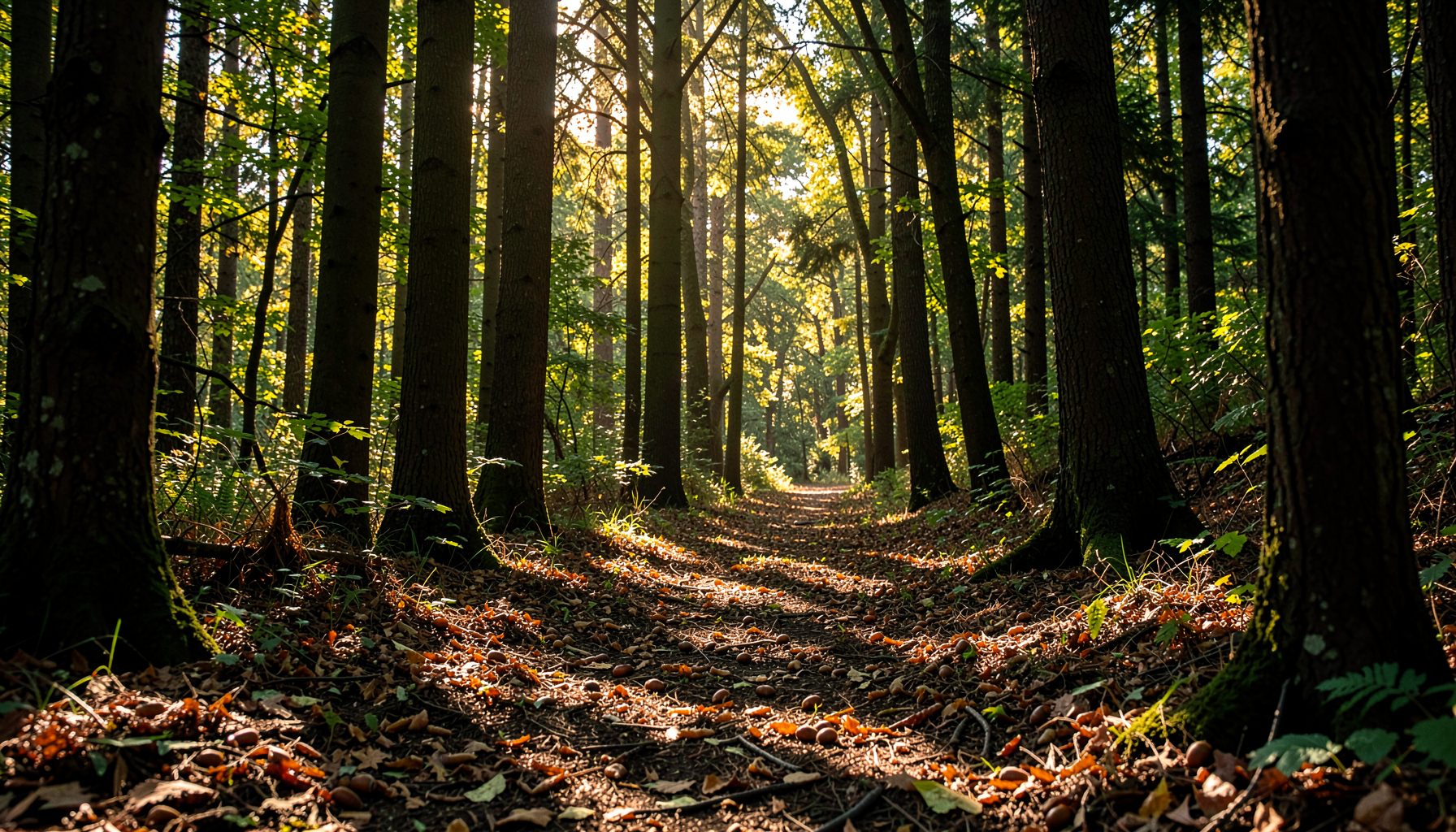
How Seed Collection Helps Restore Healthy Forests
Can collecting seeds actually help a forest? Research says yes, provided the effort is connected to sound restoration practices. A single acorn will not repair a degraded watershed, but carefully gathered native seeds can become thousands of trees that stabilize streambanks, improve habitat, and rebuild the structure of a functioning forest.
The value comes from the full chain: selecting appropriate parent trees, collecting mature seed, handling it correctly, raising healthy seedlings, and planting them where they can survive. Volunteer seed collection supports each stage by supplying native genetic material that nurseries can use for future restoration projects.
This work is especially important in the Potomac River watershed, where forest loss, invasive plants, development, and stormwater runoff affect water quality and wildlife habitat. Programs such as Growing Native connect ordinary outdoor activities with long-term conservation outcomes.
Why Seeds Matter In Forest Recovery
Forests regenerate through seeds, sprouts, and other forms of natural reproduction. When a mature woodland produces acorns, walnuts, hickory nuts, or shrub fruits, those seeds carry the possibility of replacing aging trees and filling openings in the canopy. In a damaged landscape, however, natural regeneration may be too slow or may fail because deer browse seedlings, invasive plants shade the ground, or erosion removes fertile soil.
Seed collection gives restoration teams another source of locally adapted plant material. Native trees grown from regional seed are generally better suited to the area’s climate, soils, seasonal timing, and ecological relationships than species selected only for rapid growth or appearance. Local sourcing does not guarantee survival, but it can reduce the mismatch between a seedling and the site where it will be planted.
A diverse supply of seed also helps rebuild a varied forest. Different species provide food at different times of year, develop roots at different depths, and respond differently to drought, flooding, pests, and disease. That variety makes a restored forest more resilient than a planting composed of a single species or narrow genetic line.
What Forest Research Actually Shows
Research on ecological restoration consistently points to the importance of natural regeneration and genetic diversity. Studies of reforestation show that successful projects depend on seed quality, appropriate provenance, soil preparation, protection from browsing, weed control, and follow-up care. Collection is an essential first step, but it works best as part of a carefully managed system.
Forest scientists also distinguish between planting trees and restoring a forest. A row of seedlings can provide shade, yet a healthy forest eventually needs multiple layers: ground vegetation, shrubs, young trees, mature canopy trees, fallen wood, and decomposing leaf litter. Native seeds help create that complexity because they support a wider mix of species and age classes.
The evidence is especially strong for riparian restoration. Trees and shrubs beside streams intercept rainfall, hold soil with their roots, slow overland flow, and shade water. Their leaf litter and woody debris contribute to aquatic food webs. Research on watershed restoration therefore treats native vegetation as living infrastructure, not simply as attractive landscaping.
From Acorn To Restoration Site
The journey from a collected seed to a forest benefit can take several years. Volunteers first gather seed during the appropriate season and separate healthy material from damaged, immature, or diseased specimens. Some seeds need immediate handling, while others require cold, moist conditions before they will germinate. State nurseries and restoration partners apply the storage and propagation methods suited to each species.
After germination, seedlings are grown until they are large enough for a planting site. Site managers then match species to conditions such as flood frequency, soil moisture, sunlight, slope, and available space. A swamp-loving tree placed on a dry upland site is unlikely to thrive, just as a sun-loving species may struggle beneath a dense canopy.
Once planted, seedlings need protection and monitoring. Guards may be used where deer pressure is high, and invasive vines or competing vegetation may need to be controlled. Weather, flooding, drought, and animal damage all influence results. These variables explain why restoration professionals measure survival over time rather than assuming that every planted seedling will become a mature tree.
| Restoration input | What it contributes | How success is evaluated |
|---|---|---|
| Locally appropriate seed | Genetic material suited to regional conditions | Germination and seedling vigor |
| Species diversity | Different food, root, and habitat functions | Variety of surviving plants |
| Nursery propagation | Strong, trackable young trees | Health and size at planting |
| Site preparation | Better access to soil, water, and sunlight | Early establishment |
| Deer and weed control | Protection during vulnerable years | Seedling survival |
| Long-term monitoring | Information for future decisions | Growth, canopy recovery, and water benefits |
Healthy Forests Improve Water Quality
The connection between seed collection and clean water becomes clear when seedlings mature. Along a stream, roots bind soil and reduce bank collapse. Vegetation captures sediment before it enters the channel, while leaf litter and porous soil help rainfall soak into the ground. These processes reduce the amount and speed of polluted runoff moving toward rivers.
Native hardwoods have a particularly important role because their deep root systems and broad canopies support long-term watershed function. A resource explaining how hardwoods filter runoff shows why planting decisions matter beyond the immediate project area. The benefits accumulate across many properties and stream miles.
Trees cannot remove every pollutant or prevent every flood. Their performance depends on forest width, soil conditions, rainfall intensity, maintenance, and the presence of connected vegetation. Still, restoring a continuous streamside buffer is one of the practical ways communities can reduce erosion and improve aquatic habitat while addressing several environmental problems at once.
Volunteer Collection Has Real Conservation Value
Volunteer seed collection expands the reach of professional restoration programs. Staff members can identify collection sites and provide instructions, while families, students, workplaces, and community groups gather material across a broad geographic area. This distributed effort can produce a larger and more representative seed supply than a small team working alone.
Participation also builds ecological knowledge. People learn to recognize native trees, observe seasonal changes, understand how forests reproduce, and see the relationship between upland land use and stream health. Those lessons can influence future choices about landscaping, invasive plant control, litter, and stormwater management.
Quality remains more important than quantity. Collectors should gather only the species and amounts requested, avoid private property without permission, leave enough seed for wildlife and natural regeneration, and follow guidance about identification and timing. Volunteers who need program details can contact the program before collecting, especially when they are unsure whether a tree or seed is appropriate.
Make Every Collection Count
A few practical habits can improve the usefulness of donated seed and protect the health of collection sites:
- Learn to identify the target species before gathering, since several native and nonnative trees can produce similar nuts or fruits.
- Choose mature, healthy parent trees away from roadsides, heavily disturbed areas, and places treated with chemicals.
- Collect clean, viable seed and handle it gently; cracked, moldy, insect-damaged, or unripe material may not be suitable.
- Record the collection date and general location when the program requests that information, so nursery staff can manage seed by source.
- Follow instructions for drop-off, storage, and quantities instead of mixing species or keeping seed in unsuitable conditions.
The most effective volunteer projects combine collection with learning and follow-through. A school group might pair seed gathering with tree identification, while a workplace could organize a seasonal service day and later visit a restoration site. These experiences make the relationship between a small action and a living forest easier to understand.
Growing Native provides opportunities for individuals, families, schools, community organizations, and employers to participate in the watershed restoration process. People who want to take part can register as a volunteer and learn which activities are available during the current collection season.
A seed is small, but its ecological value is cumulative. When thousands of appropriate seeds become well-sited native trees, they can contribute to cooler streams, more stable soil, richer wildlife habitat, and healthier forest corridors. Sign up for a collection opportunity, bring others into the work, and help supply the next generation of trees for the Potomac River watershed.