Collecting Seeds With Children for Environmental Education
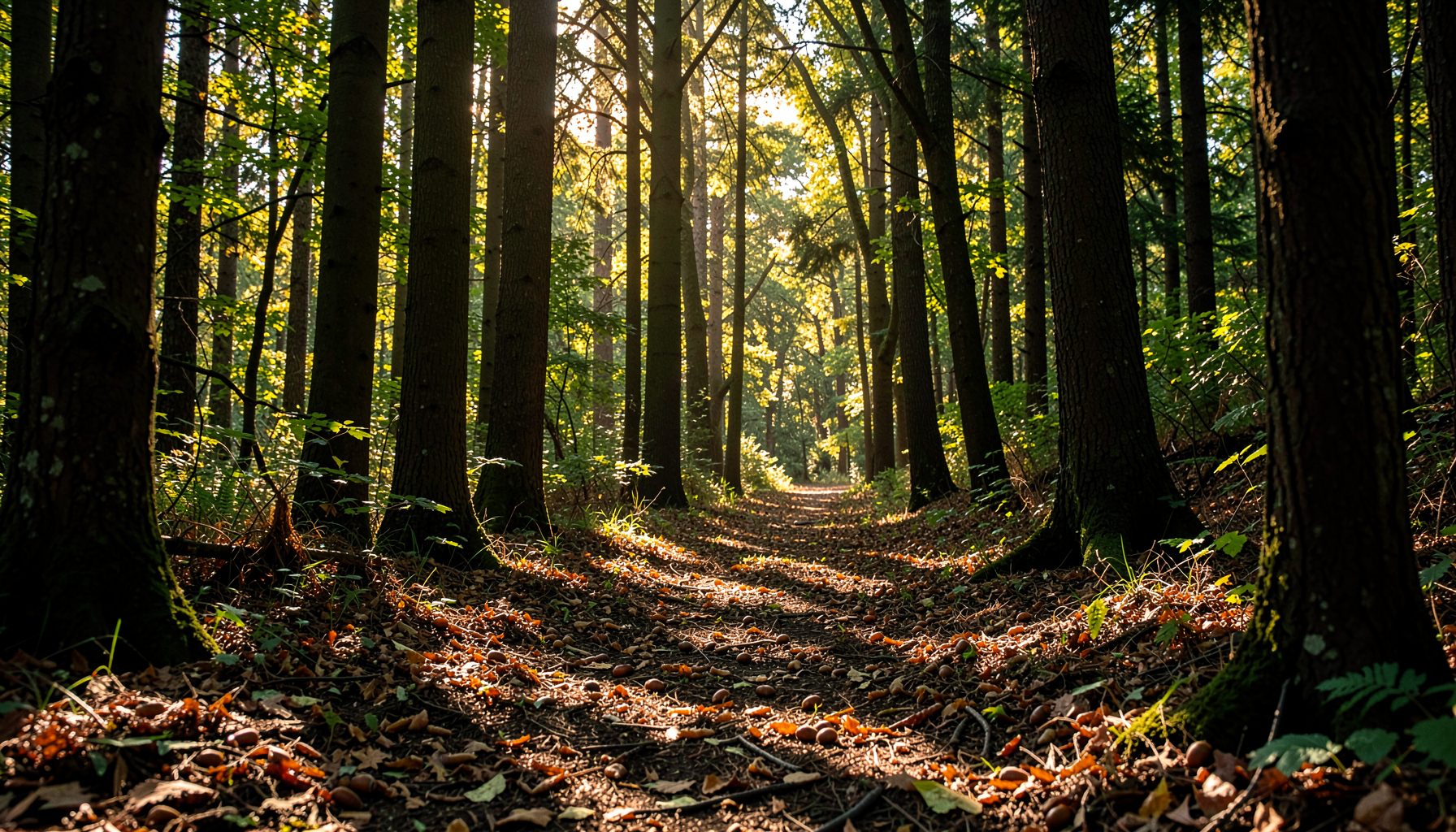
Collecting seeds with children turns a walk through a park, schoolyard or community garden into a practical lesson about living systems. A fallen acorn, walnut or native shrub seed can lead to conversations about pollination, seasons, soil, wildlife and the future of local forests. Children learn through touch and observation, then see how a small object can become part of a much larger restoration effort.
The activity also gives environmental education a clear purpose. Instead of treating conservation as an abstract idea, families can connect seed gathering with streamside planting, erosion control and cleaner water. That connection is central to the work of Growing Native, which coordinates volunteers to collect native hardwood and shrub seeds for nurseries serving the Potomac River watershed.
For Australian families, the same approach can be adapted to local ecosystems. A walk might involve spotting eucalyptus capsules, banksia cones, wattles or native grasses rather than North American acorns. In Sydney, Melbourne, Brisbane or regional communities, children can investigate which plants belong to their local habitat and learn why a seed should be collected only with permission and in appropriate places.
The activity suits a weekend family outing, a school working bee, a scouts group or a workplace volunteering day. It can even become part of a community event with the familiar Australian combination of a morning outdoors, shared food and a practical contribution to the local landscape.
| Learning activity | What children practise | Environmental connection |
|---|---|---|
| Collecting fallen seeds | Observation, sorting and counting | Plant regeneration and biodiversity |
| Identifying parent plants | Vocabulary and visual reasoning | Native habitat and species protection |
| Preparing seeds for a nursery | Patience and careful handling | Reforestation and stream restoration |
| Mapping collection sites | Recording and basic geography | Watersheds, soil and water quality |
| Growing seedlings | Responsibility and long-term thinking | Future shade, habitat and erosion control |
Turning A Walk Into A Living Lesson
Seed collection encourages children to slow down and notice details that are easy to miss. They may compare smooth walnuts with textured acorns, examine the shape of a pod or look for signs that birds and insects have already used a seed. These observations build scientific habits: asking questions, making predictions and recording evidence.
A simple field notebook can make the experience more engaging. Children can sketch the parent tree, note the date, describe the weather and count how many seeds were found beneath one plant. Older students might measure the canopy, estimate soil moisture or use a local map to identify whether the site drains towards a creek.
The lesson becomes richer when adults avoid supplying every answer immediately. Asking children what they think a seed needs to grow creates space for reasoning about sunlight, water, temperature and soil. Later, a teacher or volunteer can explain dormancy, germination and why different native species need different treatment.
Building Care For Native Landscapes
Collecting seeds helps children understand that forests are communities rather than collections of individual trees. A mature tree provides food, nesting sites, shade and leaf litter, while its roots help hold soil together. When children connect a seed to those future functions, restoration becomes more meaningful.
The Potomac River watershed offers a strong example of how local planting decisions affect connected waterways. The programme explains its regional focus through watershed restoration work, showing how trees beside streams can reduce runoff, stabilise banks and improve water conditions downstream. Australian children can apply the same principle to catchments such as the Yarra, Parramatta, Brisbane or Swan.
This perspective is particularly useful in cities, where stormwater can move quickly across roads, roofs and compacted ground. A child who understands that a creek is linked to a wider catchment may become more attentive to litter, bare soil and the value of shaded waterways. Seed gathering gives that large-scale idea a memorable starting point.
Learning Responsible Collection
Environmental education must include restraint as well as enthusiasm. Children should learn that not every seed is available for picking. Collection may be restricted in national parks, reserves and council land, and some plants are protected or important to local wildlife. Families need to check site rules, seek landholder permission and follow guidance from community groups.
It is also important to respect Country and local cultural knowledge. A school or organisation in Australia can acknowledge the Traditional Custodians of the land and work with local Aboriginal organisations or ranger groups where appropriate. This supports a respectful understanding that native plants have ecological, cultural and practical significance beyond their value as gardening material.
Safe collection usually means taking a modest amount of mature, healthy seed from the ground rather than damaging branches or stripping a plant. Children can learn to leave plenty for birds, insects and natural regeneration. These boundaries reinforce a valuable message: helping nature requires attention to relationships, timing and place.
Habits That Make Collection Safer
- Identify the plant before collecting anything.
- Gather only mature, healthy seeds from approved locations.
- Leave enough seed for wildlife and natural regeneration.
- Keep different species and collection sites clearly labelled.
- Wash hands and avoid unknown plants, pods or fungi.
Strengthening School And Family Learning
Seed collection works well across several areas of the curriculum. Science classes can study plant life cycles and germination rates, while mathematics lessons can involve counting, measuring and graphing results. English activities might include field journals, persuasive letters about habitat protection or stories told from the viewpoint of a seed.
The hands-on format is also inclusive. Children who find long classroom explanations difficult may thrive when they can move, sort, draw and handle real materials. A younger child can match seeds to photographs, while an older student can research propagation methods or design a restoration map.
Teachers can extend the activity through environmental learning materials, using species identification, forest ecology and watershed health as connected themes. In Australia, these resources can be paired with local council planting guides, state herbarium information and observations from a nearby bushcare group.
Families can continue the learning at home without creating a large garden project. A labelled tray, recycled containers and a simple observation chart may be enough. Children can compare which seeds change first, record watering dates and discuss why some species are better suited to their local climate than imported ornamentals.
Connecting Children With Community Action
A seed collection day can bring together schools, families, landcare groups and local nurseries. In many Australian communities, weekend working bees are already a familiar way to care for parks, creek corridors and shared gardens. Adding a seed activity makes the event accessible to children who may be too young for planting or weed removal.
Local councils and native plant nurseries can help explain which species are suitable for propagation and where collected material may be accepted. This is useful in urban areas where residents may want to support habitat but lack space for large trees. Community markets and native plant stalls can also introduce families to locally grown species and responsible garden design.
Workplaces can organise a collection morning as part of staff volunteering, while schools can invite families to contribute after a sports day or community barbecue. The social element matters: children see adults cooperating, sharing tools and discussing practical environmental decisions. Conservation becomes a normal part of community life rather than a once-a-year classroom theme.
The benefits of collecting seeds with children for environmental education extend beyond the day itself. Children develop confidence outdoors, learn the language of ecology and begin to recognise that their actions can support future habitats. They also gain an experience that can be repeated each season, with new species, weather patterns and discoveries.
Helping Patience Grow
Seeds teach time in a way that screens and instant results rarely can. A child may collect a seed in autumn, wait through a period of dormancy, observe germination in spring and eventually see a seedling planted beside a waterway. That sequence develops patience and helps children understand that ecological recovery is measured in years, not minutes.
This long view is valuable in Australia, where drought, heatwaves, floods and bushfire can affect seed production and planting success. A failed germination trial is not simply a disappointment; it can prompt questions about moisture, temperature, provenance and climate. Children learn that environmental work involves adapting to conditions rather than expecting predictable results.
Keeping records makes progress visible. A class might photograph the same seedlings each month, while a family could maintain a shared calendar of flowering, fruiting and seed fall. These observations build local knowledge and may encourage children to notice seasonal changes in their own suburb.
Ways To Extend The Experience
- Create a seed diary with drawings, dates and weather notes.
- Compare germination results for different native species.
- Invite a bushcare volunteer, ranger or nursery worker to speak.
- Map nearby creeks, wetlands and planted corridors.
- Celebrate successful seedlings with a community planting day.
When children collect seeds thoughtfully, they gain more than a nature walk. They practise careful observation, learn how habitats function and see the relationship between plants, soil, wildlife and water. They also discover that restoration begins with small acts carried out consistently by many people.
Families, schools and community groups can begin by contacting a local environmental organisation, checking collection rules and choosing one suitable native species to study. To take part in a broader programme connecting volunteers with forest and watershed restoration, explore Growing Native’s resources and volunteer opportunities, then turn the next seasonal walk into a lasting lesson in stewardship.