Why Wet Weather Can Make Seed Collection More Effective
Rain can change the pace and character of a seed-collection outing, yet it does not automatically make the work unproductive. For volunteers gathering acorns, walnuts and other native hardwood and shrub seeds, damp conditions can reveal useful clues about ripeness, improve comfort in warm weather and create a closer connection with the living forest.
The right approach is prepared rather than reckless. A short shower may create excellent collection conditions, while heavy rain, lightning or saturated ground calls for postponement. By understanding how moisture affects seeds, people and habitat, families, schools, workplaces and community groups can collect responsibly and support the production of healthy streamside seedlings.
What Rain Reveals On The Forest Floor
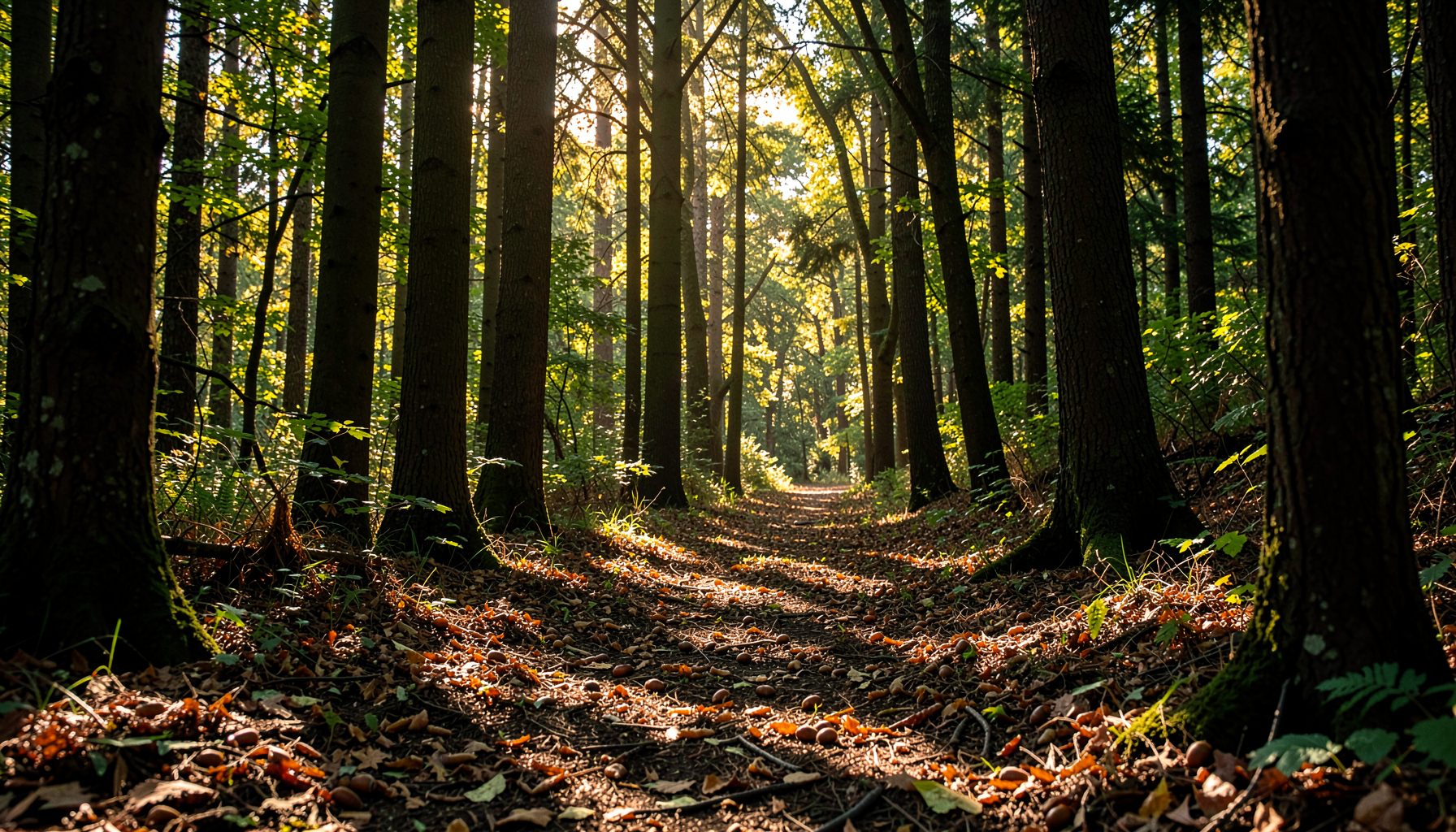
Fresh rain often washes leaf litter away from fallen fruit, making seeds easier to spot. Acorns may stand out against dark soil, walnuts can be easier to distinguish from stones, and seed capsules may become more visible when their surfaces are clean. This is valuable for beginners learning to identify species by shape, colour, husk and surrounding leaves.
Moisture can also make the forest feel more active. Birds move through wet branches, fungi become visible on logs, and small channels of water show how a slope carries rainfall towards a creek. These observations help volunteers understand that seed collection is part of a larger watershed system. Every healthy tree contributes shade, root stability, habitat and future seed production.
Rain may loosen mature fruits from branches, increasing the number available on the ground. However, collection should focus on sound, recently fallen seed rather than anything that is split, mouldy, insect-damaged or buried in mud. A small amount of careful sorting in the field prevents unsuitable material from reaching a nursery.
Cooler Conditions Can Improve Volunteer Comfort
In many Australian cities, outdoor work can become uncomfortable quickly. A winter morning in Canberra may be cold and wet, while a summer shower around Brisbane or Sydney can bring welcome relief from heat and glare. For people who struggle with sun exposure, cooler cloud cover may make a seed walk more accessible and enjoyable.
Reduced heat also helps volunteers stay focused. Searching beneath trees, recording species and carrying collection bags requires attention, especially when children are involved. Short wet-weather sessions can be easier to manage than long, hot outings, provided participants have waterproof layers, warm clothing and a clear return route.
Rainy conditions offer a useful lesson in seasonal timing. Local Landcare groups, schools and community nurseries often schedule working bees around autumn seed fall, then adjust plans when the forecast changes. In Australia, families may already be accustomed to carrying a rain jacket to a weekend market or school event; the same habit makes a forest activity more practical.
A family-friendly outing benefits from simple roles. One person can identify the parent tree, another can collect from clean ground, and someone else can record the date and location. Guidance such as this family seed walk guide helps turn a damp afternoon into a structured learning experience.
Moisture Supports Careful Seed Handling
A little moisture can reduce dust and make handling more pleasant, particularly when dry leaves and loose soil would otherwise blow into eyes or cling to clothing. It may also soften outer husks and make certain fruits easier to inspect. The benefit depends on the species, the length of exposure and what happens after collection.
Seeds should never be sealed while wet. Trapped moisture encourages mould, fermentation and decay, which can reduce germination rates before the material reaches a nursery. Use breathable bags or open containers during the walk, keep different species separate and move the collection to a cool, shaded place as soon as possible.
After returning, spread seeds in a thin layer on clean paper, mesh or a tray. Remove damaged material and allow the remainder to surface-dry according to the instructions provided by the receiving nursery. Some species require special storage or treatment, so volunteers should follow the program’s handling directions rather than applying one method to every seed type.
Rain also makes accurate labelling especially important. Ink can run, paper can tear and a damp bag can lose its contents. Waterproof tags, pencil notes and a quick photograph of the parent tree provide useful backup. Record the species, collection date, general location and collector group without disturbing sensitive habitat.
Wet Weather Builds Ecological Awareness
Collecting seeds in rain makes water movement visible. Volunteers can see which areas drain quickly, where soil has been exposed and how roots hold a bank together. Along the Potomac River watershed, this connection between trees and waterways is central to restoration work. Seeds gathered today can become seedlings that shade streams, slow erosion and support cleaner water in years ahead.
The same principle matters in Australian catchments. A community group near Melbourne’s Yarra River, a school beside the Parramatta River or a Landcare team working near Adelaide creeks can observe how vegetation affects runoff and stream health. The species and climate differ, but the ecological relationship remains clear: healthy native plants help stabilise soil and create habitat.
Wet conditions can sharpen awareness of responsible access. Muddy paths are more vulnerable to compaction, and repeated foot traffic can damage emerging plants. Volunteers should remain on established tracks where possible, avoid trampling the area beneath a productive tree and never strip all available seed from one location. Wildlife and natural regeneration need a share of the crop.
Seed collection also opens a conversation about carbon. As trees grow, they store carbon in trunks, branches, roots and soil while providing other public benefits. The relationship is explained clearly in native trees and carbon, which can help students and workplace teams connect a small volunteer task with long-term climate and catchment goals.
Safety Matters More Than A Full Bag
Rainfall creates hazards that are easy to underestimate. Slippery rocks, hidden roots, unstable banks, rising creeks and falling branches all require attention. If thunder is audible, volunteers should leave exposed areas and seek appropriate shelter. A productive session is never worth entering floodwater or walking beneath damaged limbs.
Leaders should check the forecast, the site condition and the group’s abilities before departure. A short route with several collection points is safer than an ambitious circuit. Children need close supervision around water, while older participants may need firm paths and regular rest breaks. Mobile phones should be protected from moisture, and a first-aid kit should be available.
Appropriate clothing includes waterproof outer layers, enclosed shoes with strong grip, a hat, spare socks and gloves where temperatures are low. Bright clothing helps a group remain visible in dense vegetation. Collection bags should be sturdy, breathable and easy to carry without affecting balance.
The best decision may be to cancel. Heavy rain can make access roads unsafe, damage trails and wash seeds away before they can be collected responsibly. Postponing preserves volunteer confidence and protects the site. Light rain, by contrast, can be managed when the route, supervision and equipment are suitable.
Practical Steps For A Productive Wet-Weather Collection
Good preparation turns weather uncertainty into a manageable part of fieldwork. Before setting out, contact the receiving nursery or program coordinator about target species, collection dates, acceptable quantities and drying requirements. This avoids gathering material that cannot be used and supports better provenance records.
Australian volunteers can also connect the activity with local customs and opportunities. A school holiday seed walk might lead into a native plant lesson; a workplace working bee could support a nearby creek restoration project; and a community group might share seedlings through a local native plant market or council sustainability event. These links give collection a visible place in everyday community life.
Use the following practices to protect people, seeds and the habitat:
- Choose a site with safe access, reliable mobile coverage and no forecast of severe weather.
- Collect mature, clean seed from several healthy parent trees rather than taking heavily from one tree.
- Keep species and collection locations separate in breathable, clearly labelled bags.
- Inspect seeds promptly, remove damaged material and follow the nursery’s drying and storage instructions.
- Limit walking on saturated ground, established regeneration and stream banks.
- Finish with a headcount, equipment check and short discussion about what the group observed.
A careful wet-weather collection can produce useful seed while teaching practical ecology. Volunteers learn to read the forest, respect seasonal conditions and recognise how small decisions affect future restoration. The result is measured in more than the weight of a collection bag: it includes better environmental knowledge, stronger community participation and seedlings with a meaningful connection to place.
Choose a suitable rainy day, gather a prepared group and contact Growing Native to take part in seed collection that supports forests and waterways. With sensible safety decisions and careful handling, each outing can help move native seed from the forest floor towards a healthier future catchment.