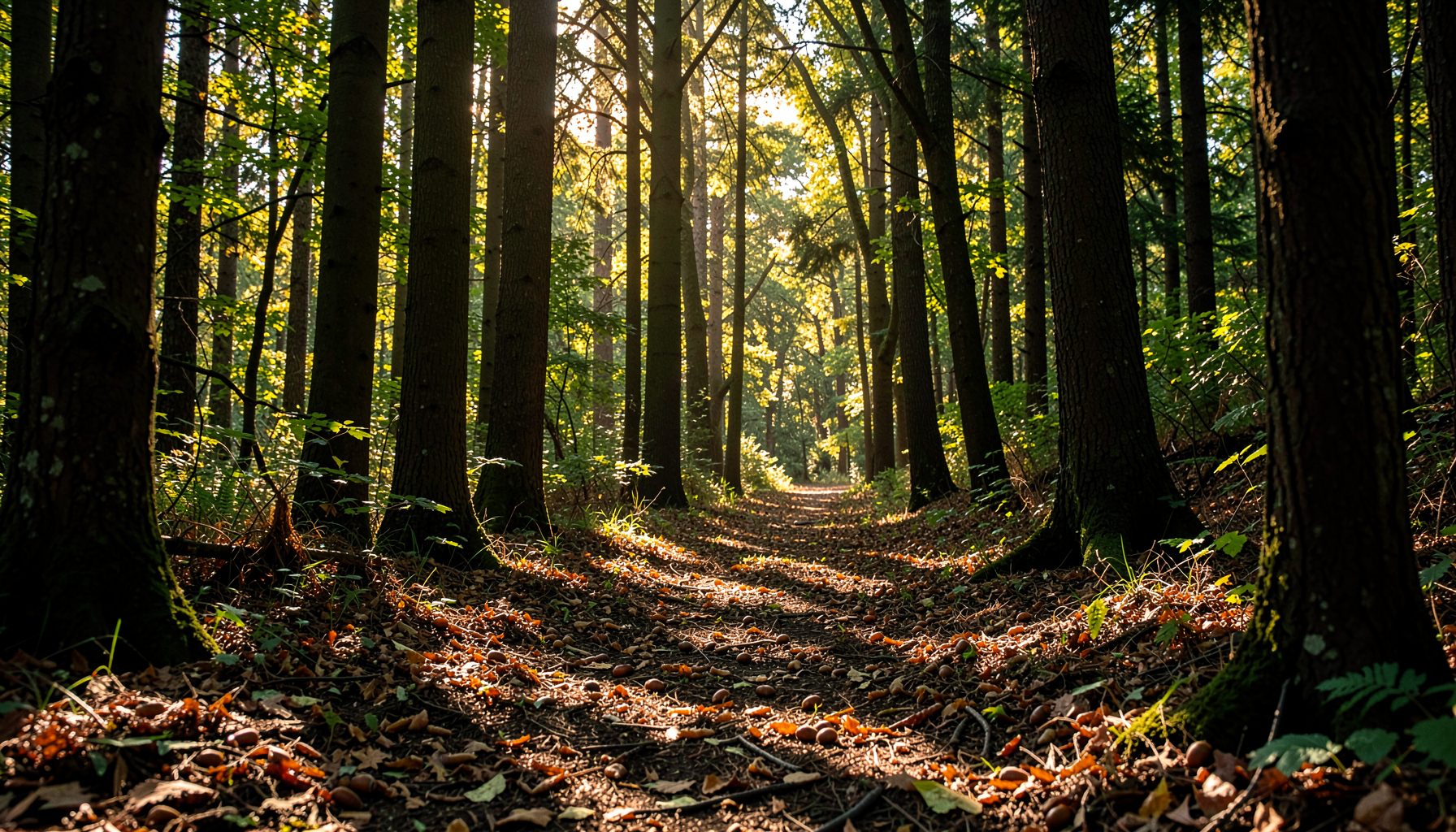
Why Seed Collection From Many Parent Trees Matters
A forest begins with more than a seedling in a nursery tray. It begins with the genetic material carried by mature trees and shrubs, the conditions in which those plants grew, and the choices made when seed collectors gather the next generation. Collecting from several healthy parent trees helps preserve a broader range of traits than taking most of a harvest from one especially convenient plant.
For Growing Native, this principle supports restoration across the Potomac River watershed. Volunteers collect native hardwood and shrub seeds, including acorns and walnuts, which are supplied to state nurseries and raised as streamside seedlings. The resulting trees can help stabilise soil, shade waterways, improve habitat and contribute to cleaner water over many years.
The idea also has clear relevance for Australian conservation work. Community groups in Sydney, Melbourne, Brisbane and regional towns regularly take part in bush regeneration, creek planting and seed collection. Local conditions vary sharply, from prolonged drought and intense summer heat to flooding, salinity and urban pollution, so a genetically varied planting stock can be valuable when landscapes face changing pressures.
Seed collecting is therefore more than gathering a large quantity. It is a careful way to support genetic diversity, protect local adaptation and strengthen the future of a restored ecosystem. Good practice includes identifying parent plants correctly, respecting collection limits, recording locations and spreading effort across many suitable trees.
| Collection approach | Likely genetic range | Main restoration value | Important consideration |
|---|---|---|---|
| Seed from one parent tree | Narrow | Simple and quick collection | Can pass on a limited set of traits |
| Seed from a few nearby trees | Moderate | Better than single-tree collection | May still overlook local variation |
| Seed from many healthy parent trees | Broad | Stronger diversity and adaptability | Requires planning, records and fair distribution |
| Seed from multiple suitable sites | Broadest practical range | Useful for varied restoration conditions | Local provenance and biosecurity must be checked |
Genetic Diversity Builds More Resilient Forests
Every parent tree carries a slightly different combination of genes. Those differences can influence germination, root development, growth rate, flowering time, water use and tolerance of heat, pests or disease. When seed is collected from many trees, a nursery receives a wider genetic sample and can raise seedlings with a broader mix of characteristics.
This matters because restoration sites rarely remain stable. A streambank may experience a sequence of dry years followed by sudden floods. A woodland edge may face browsing, invasive weeds or hotter temperatures caused by nearby development. Genetic variation gives a population more possibilities for coping with these pressures, even though no collection strategy can guarantee that every seedling will thrive.
Genetic diversity also reduces the danger of creating uniform plantings. If thousands of seedlings share a narrow genetic background, one disease or climatic stress could affect a large proportion of them at once. A mixed source population spreads that risk and gives natural selection more material to work with as the restored forest matures.
Parent Trees Carry Local Knowledge
A mature tree has already survived the conditions around it. Its seed may reflect generations of adaptation to local soil, rainfall patterns, seasonal temperatures and interactions with insects or fungi. Collecting from several parent trees in the same ecological area helps retain this local provenance while avoiding dependence on one individual.
The balance is important. Seed should not be moved casually across regions simply to increase numbers. A tree adapted to the upper Potomac may not be the right source for a very different site, just as seed collected in a wet Melbourne gully may be unsuitable for a dry inland planting. Restoration teams need to consider species, catchment, elevation, soil and intended planting location.
Volunteers can learn more about the reasoning behind collecting shrub species through this shrub seed guide. Understanding why species such as spicebush and dogwood matter makes collection more deliberate, especially when fruit, nuts and seeds appear at different times of year.
Broader Harvests Support Wildlife And Waterways
A healthy seed mix can produce a more structurally varied forest. Some seedlings may grow quickly and provide early shade, while others develop more slowly and form a lasting canopy. Shrubs, small trees and larger hardwoods occupy different layers, creating shelter and food sources for birds, mammals, insects and aquatic life.
The benefits extend beyond the planting line. Trees and shrubs beside streams slow runoff, hold soil with their roots and reduce the amount of sediment entering the water. Shade can moderate stream temperatures, while leaf litter supplies organic material to aquatic food webs. In the Potomac watershed, these functions connect seed collection directly with erosion control and water quality.
Australian communities will recognise the same relationship in local creek corridors. A planting day beside the Yarra in Melbourne, a riparian project near Brisbane or a revegetation effort outside Canberra may involve different species, but the ecological aim is familiar: establish vegetation that protects banks, supports habitat and helps waterways function naturally. Native seed diversity can improve the odds that these plantings develop into resilient communities rather than isolated rows of trees.
Better Collection Protects Parent Populations
Collecting from many parent trees does not mean taking as much as possible from every tree. A responsible harvest leaves enough fruit, nuts or berries for natural regeneration and wildlife. It also avoids damaging branches, compacting soil around roots or repeatedly targeting the most accessible plants near paths and roads.
Collectors should spread their effort across the site and record the approximate number of parent trees used. Notes about species, date, location, weather and fruit condition can help nurseries understand the material they receive. Clear labelling prevents different species or provenances from being mixed accidentally, and clean equipment helps reduce the spread of plant pathogens.
Timing affects quality as well. Acorns and walnuts need to be mature but not excessively damaged, mouldy or dried out. Fleshy fruits may require prompt handling, while some hard-coated seeds benefit from specific storage or preparation. Training in tree identification is essential because a mistaken identification can compromise an entire batch and may introduce unsuitable plant material to a restoration project.
Schools, workplaces and families can make the activity both practical and educational. In Australia, a weekend collection can become part of a local Landcare event, a school science lesson or a community day followed by a barbecue, provided the group follows landholder permission, park rules and biosecurity requirements. The social experience helps people connect everyday conservation with long-term forest recovery.
Diverse Seed Sources Improve Nursery Decisions
Nurseries benefit from receiving seed that is genetically varied, well documented and collected in sensible quantities. A broad supply allows nursery staff to compare germination, manage different species and raise planting stock suited to multiple restoration sites. It also reduces pressure to rely on a small number of prolific parent trees.
Records are especially useful when results are reviewed over time. If seedlings from one source perform well in wet soils but struggle on exposed slopes, that information can inform future collections and planting plans. This feedback turns volunteer work into a learning system rather than a series of disconnected harvests.
The approach aligns with a wider Australian interest in provenance-based native plant markets. Community nurseries, council revegetation programs and native plant growers increasingly value seed that has a known origin and a clear collection history. Buyers and project managers may pay close attention to whether plants are appropriate for a particular catchment, not merely whether they are labelled as native.
For Growing Native, volunteer participation links these technical decisions with public stewardship. People can contribute as individuals, families, schools, community organisations or workplaces, while educational resources build skills in tree identification, forest ecology and watershed health. Those skills remain useful long after one collection season ends.
When seed comes from many healthy parent trees, the benefit is shared across several levels: stronger genetic variation, better nursery options, more resilient restoration plantings and greater public understanding of how forests regenerate. The practice does require care, but careful collection is precisely what protects both the source population and the landscape that receives the seedlings.
Volunteers in Australia can apply the same principles to approved local projects by learning which species are appropriate, checking collection permissions and keeping accurate records. To support Growing Native’s work in the Potomac watershed, contact Growing Native about volunteer opportunities, educational resources or ways for a school, family, workplace or community group to take part. Each well-planned collection helps turn native seed into healthier forests, protected streambanks and a stronger conservation ethic.