Why Native Shrub Seeds Matter for Healthy Watersheds
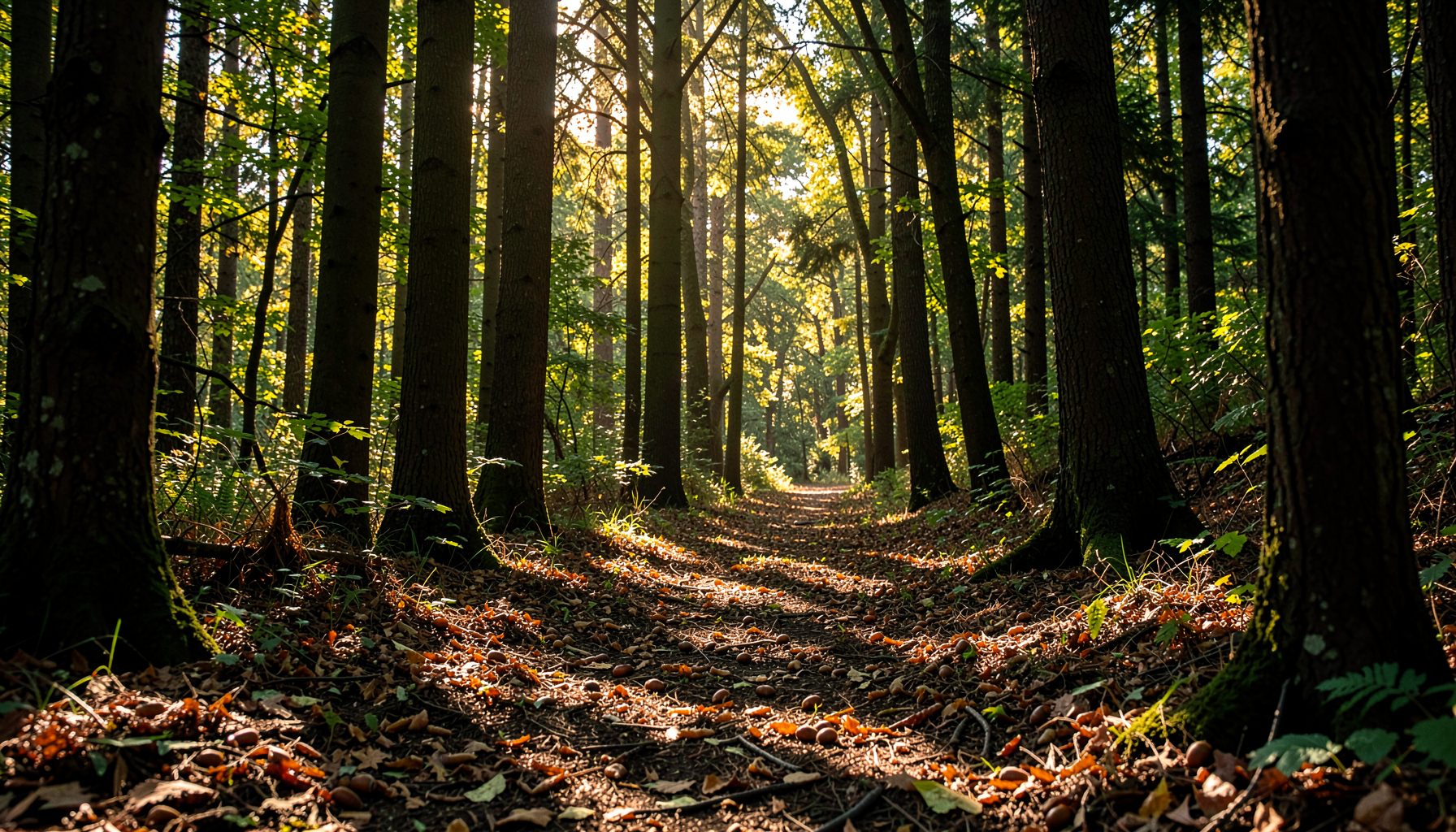
A forest is more than a collection of tall trees. Its health depends on layers of vegetation working together: canopy trees provide shade, understory shrubs offer food and shelter, and ground-level plants protect soil from rain and runoff. When restoration projects include all of these layers, young forests are better prepared to support wildlife, filter water, and withstand changing conditions.
That is why Growing Native collects seeds from native shrubs such as spicebush and dogwood alongside acorns, walnuts, and other hardwood seeds. These small seeds can grow into plants that fill important ecological spaces along streams, woodland edges, and floodplains throughout the Potomac River watershed.
Seed collection also creates a direct way for people to participate in conservation. Families, students, workplaces, and community groups can learn to recognize local plants, gather mature seed responsibly, and contribute material that state nurseries raise into future restoration seedlings.
Shrubs Build the Forest’s Missing Layers
Native shrubs occupy the middle levels of a forest, between the high canopy and the herbaceous plants near the ground. This structure gives birds nesting cover, provides resting places for insects and small mammals, and creates a more complex habitat than a landscape planted only with large trees.
Shrubs are especially valuable beside streams. Their roots help hold streambanks in place, while their stems and leaves slow wind and rainfall before water reaches exposed soil. This reduces erosion and helps keep sediment out of waterways. Dense native vegetation can also moderate summer temperatures by shading the ground and nearby water.
Many shrub species establish more quickly than large canopy trees. That early growth gives restoration sites living protection while slower-growing oaks, hickories, and walnuts develop. A diverse planting can therefore support watershed health in the short term and mature forest habitat over decades.
Spicebush Supports Woodland Wildlife
Spicebush, or Lindera benzoin, is a native deciduous shrub commonly found in moist woodlands, stream corridors, and low-lying forest edges. Its soft yellow flowers appear early in spring, often before the leaves emerge. This timing makes spicebush a useful source of nectar for early-season pollinators when few other native plants are blooming.
Female spicebush plants produce bright red fruits in late summer and fall when pollination has occurred. These fruits are important food for birds, including wood thrushes and other woodland species. The plant also supports the caterpillar of the spicebush swallowtail, a striking butterfly whose larvae use the shrub’s aromatic leaves as a host plant.
The shrub’s ecological value extends below ground. Spicebush tolerates partial shade and moist soil, making it well suited to forest restoration sites where full-sun trees may struggle. Its branching form adds cover near the forest floor, and its roots contribute to soil stability along small streams and wet woodland margins.
Dogwoods Connect Seasons and Species
Native dogwoods bring several kinds of value to a restored forest. Depending on the species, they may grow as understory trees or shrubs, creating flowering, fruiting, and shelter resources at different heights. Flowering dogwood is familiar across the region, while shrub-form dogwoods such as silky dogwood are especially useful in wet areas and streamside buffers.
Dogwood flowers attract pollinators in spring, and their fruits feed birds and other wildlife later in the year. The branching structure offers cover, while fallen leaves return organic matter to the soil. These seasonal contributions help maintain a food web that changes throughout the growing season rather than concentrating resources in a single period.
Silky dogwood and related native species are particularly valuable for riparian restoration. They can tolerate moist soils, develop dense stems, and help reinforce streambanks. Planting locally appropriate dogwood seed supports a layered buffer that filters runoff from nearby land before it enters a creek or river.
| Native shrub | Key habitat value | Typical restoration setting | Contribution to watershed health |
|---|---|---|---|
| Spicebush | Early flowers, red fruits, butterfly host plant | Moist woodland edges and shaded stream corridors | Adds wildlife food and helps stabilize forest-floor soil |
| Silky dogwood | Spring flowers, seasonal berries, dense stems | Wetlands, floodplains, and streambanks | Slows runoff and strengthens riparian vegetation |
| Other native dogwoods | Cover, fruit, and structural diversity | Woodland margins and mixed restoration plantings | Builds habitat layers and supports biodiversity |
Seed Collection Starts With Careful Timing
Successful collection depends on recognizing when a seed is mature. Spicebush fruits generally ripen from green to red, while dogwood fruits often change color and soften as they mature. Collectors should look for healthy, fully developed seed from established native plants rather than gathering fallen material that is moldy, damaged, or mixed with debris.
The best collection sites are free from invasive plants, heavy contamination, and uncertain origins. Seed gathered from local or regionally appropriate plants is often better suited to the climate, soils, and seasonal patterns of the Potomac watershed. Collectors should also avoid taking every fruit from one shrub. Leaving plenty behind allows wildlife to feed and plants to reproduce naturally.
Handling matters after collection. Keep different species and collection sites separate, label each batch with the plant name and location, and protect the seed from heat and prolonged moisture. Acorns require their own preparation and storage practices; volunteers can review these dry and store acorns instructions before preparing an acorn donation.
From Donated Seed to Streamside Seedling
After collection, donated seed can be cleaned, evaluated, and prepared for propagation at a state nursery. Nursery staff use species-specific methods because seeds differ in dormancy, moisture needs, and germination timing. Some require cold, moist conditions that imitate winter, while others germinate after their fruit pulp is removed or their seed coat is treated.
The resulting seedlings may be planted in riparian buffers, reforestation areas, floodplains, and other sites where native vegetation can improve habitat and water quality. A seed collected from a local shrub may therefore become part of a living corridor miles away, linking isolated patches of forest and giving wildlife safer movement through the watershed.
This process also shows why small contributions matter. One shrub may produce more fruit than a single collector can use, and one volunteer event can gather seed from many plants. When those contributions are combined through a coordinated program, they create a dependable source of native planting material for long-term restoration.
Responsible Collection Protects the Source
Ethical harvesting begins with permission. Collect only on land where collection is authorized, and follow any rules for parks, public natural areas, schools, and private properties. Never remove whole plants or damage branches while gathering fruit. A gentle approach protects the parent shrub and leaves it capable of producing future crops.
Clean equipment and careful labeling help maintain seed quality. Gloves, small bags, paper containers, and waterproof labels can make a collection event more organized. Avoid sealing damp fruit in airtight plastic for extended periods, since trapped moisture can encourage decay. Volunteers should follow current Growing Native collection guidelines for accepted species, timing, preparation, and donation procedures.
Good records are valuable to both volunteers and nurseries. Note the date, location, species, and approximate quantity. If the plant identification is uncertain, photograph the leaves, flowers, fruit, and overall growth habit rather than guessing. Reliable information helps nursery staff decide how to handle each batch and gives restoration planners a clearer picture of available native seed.
Habits That Make Every Collection Count
A successful seed-gathering event combines botanical knowledge, practical preparation, and respect for wildlife. These habits help protect native plant populations while improving the quality of donated material:
- Learn to identify spicebush and local dogwood species by their leaves, flowers, bark, growth form, and fruit.
- Collect mature, healthy seed from several plants instead of heavily harvesting one individual.
- Keep each species and collection location in a separate, clearly labeled container.
- Leave enough fruit for birds, mammals, and natural regeneration.
- Deliver seed promptly and follow handling instructions from the restoration program.
Teaching these practices can turn a short outdoor activity into a lesson about forest ecology. Students can compare shrub habitats, families can observe seasonal changes, and workplace or community groups can connect local land stewardship with cleaner streams. The experience encourages participants to see native plants as essential parts of a watershed rather than decorative additions to a landscape.
Seed collection also builds familiarity with the places volunteers are helping to protect. Returning to the same stream corridor each season may reveal flowering times, fruit development, bird activity, and changes in bank stability. Those observations deepen understanding of how restoration works over time.
A Small Seed With a Long Reach
Spicebush and dogwood seeds are easy to overlook, yet the plants they produce can shape the future of a forest. They offer food for wildlife, habitat for insects, protection for streambanks, and structure for young restoration sites. Their presence helps transform a row of planted trees into a functioning woodland community.
Collecting native shrub seed is therefore a practical form of watershed stewardship. Each labeled fruit or seed represents a connection between local landscapes, nursery propagation, volunteer effort, and future restoration. Over time, those connections support cleaner water, healthier forests, and stronger habitat across the Potomac River watershed.
Take part in the next Growing Native seed collection effort, gather responsibly, and help turn local spicebush and dogwood seed into the streamside forests that communities and wildlife will depend on for years to come.