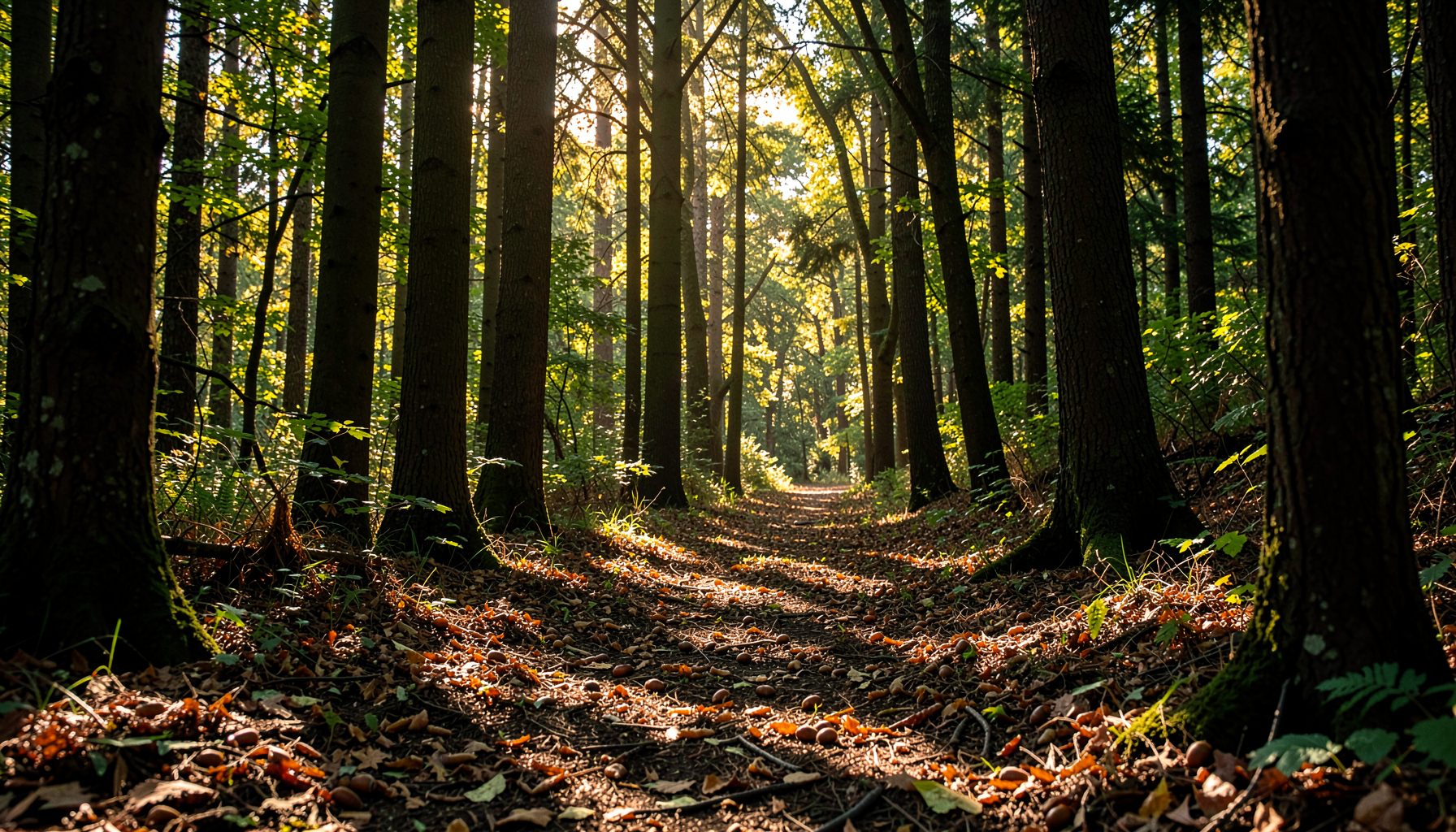
From Forest Floor To Future Forests
When volunteers gather acorns, walnuts, and native shrub seeds, the work continues long after the collection bags leave the forest. Every seed must be counted, inspected, sorted, labeled, and prepared for delivery to a nursery. These careful steps help ensure that viable local seed becomes strong planting stock for stream buffers, forest restoration, and watershed protection.
Seed counting and sorting may seem simple, but the process connects field observation with long-term conservation. Volunteers learn how to recognize healthy seeds, identify native species, remove unsuitable material, and record useful information about where and when each collection was made. Their time makes it possible to handle large quantities of seed efficiently and accurately.
The work also offers a practical way to understand how forests renew themselves. A single afternoon spent sorting can reveal differences among species, signs of wildlife use, and the importance of collecting from healthy parent trees. It turns a seasonal task into hands-on environmental education for families, students, community groups, and workplace teams.
Why Seed Processing Matters
Native tree and shrub seeds vary widely in shape, size, color, and condition. Acorns may have caps, cracks, or small holes, while walnuts often arrive inside thick husks. Some seeds are mature and ready for nursery treatment; others may be empty, damaged, moldy, or unsuitable for planting. Sorting separates these categories before they enter the next stage of restoration.
Accurate processing also protects the quality of the seed supply. Nurseries need to know what species they received, how much was collected, and whether the material came from a suitable local source. Clear records help staff plan sowing, storage, and propagation. They also allow conservation programs to evaluate which collection sites and seasons produce the strongest results.
The work supports projects throughout the Potomac River watershed. Healthy forests shade streams, stabilize streambanks, slow stormwater, and help filter pollutants before they reach rivers. When volunteers prepare native seed for future seedlings, they contribute to cleaner water and more resilient habitats many seasons ahead.
What Happens After Collection
Collected seed usually arrives with natural debris such as leaves, twigs, soil, husks, and bits of bark. Volunteers begin by spreading the material across work surfaces and separating it by species or collection batch. Keeping batches distinct is important because seed origin and collection date can influence nursery handling and later planting decisions.
Next comes a visual inspection. Volunteers look for obvious damage, insect holes, shriveled shells, soft spots, mold, or signs that an animal has opened the seed. They may also remove unusually small or lightweight specimens. The goal is not to judge every seed perfectly by appearance, but to identify material that clearly should be excluded or set aside for closer review.
Depending on the species, staff may use additional checks to assess quality. A seed can look healthy on the outside and still be hollow or nonviable. Experienced coordinators explain which methods are appropriate, how to handle fragile material, and when a questionable seed should remain with the batch rather than being discarded. Volunteers follow those instructions while building practical identification skills.
Counting, Recording, And Labeling
Counting gives the conservation team a clear picture of the season’s harvest. Volunteers may work in small groups, with one person counting and another recording totals. Seeds can be counted individually, arranged in groups of ten or twenty, or measured using an approved system when quantities are large. Consistency matters more than speed.
Labels typically include the species name, collection location, collection date, and the name of the group or volunteer team. A properly marked bag or container prevents valuable information from being lost when several species arrive at the same processing site. Accurate labels also help nurseries maintain local genetic identity as the seed moves from collection to propagation.
| Processing Step | What Volunteers Do | Why It Helps |
|---|---|---|
| Separate batches | Keep species and collection locations together | Preserves origin information |
| Remove debris | Take away leaves, twigs, husks, and soil | Makes inspection and storage easier |
| Check condition | Identify mold, insect damage, cracks, or empty shells | Improves the quality of nursery-bound seed |
| Count quantities | Record individual seeds or measured amounts | Helps nurseries plan propagation |
| Label containers | Add species, date, location, and group details | Maintains traceability |
| Prepare for transfer | Follow instructions for bags, bins, and temporary storage | Protects seed before nursery delivery |
These records become part of a larger conservation history. They show how much native seed was available, which species were collected, and how volunteer effort supported restoration goals. Over time, the information can reveal patterns in mast production, weather, and the health of local forest communities.
How Volunteers Recognize Good Seed
A healthy seed often feels firm for its type and has a sound exterior, though appearance varies by species. Acorns should generally be free from extensive cracks, rot, and insect exit holes. Walnuts may require attention to their husks and shells, while smaller shrub seeds may be judged by color, fullness, or dryness. Volunteers do not need to arrive as experts; training and guidance are part of the activity.
The most useful skill is careful observation. A volunteer may compare several examples, ask about an unfamiliar mark, and learn why one seed is retained while another is removed. This process develops confidence in native tree identification and demonstrates how field conditions affect seed quality.
Understanding the watershed adds meaning to the task. Forests in the Potomac region have changed through clearing, farming, development, and shifts in land use. Reading about the Potomac watershed’s forest history helps volunteers see why locally collected seed is valuable and why restoration requires sustained community participation.
A Shared Task For Many Kinds Of Groups
Seed sorting works well for individuals who enjoy detailed, quiet tasks, but it can also become an active group event. Families can divide responsibilities by age, with children removing visible debris and adults handling records or quality checks. Schools can connect the activity to lessons about plant life cycles, adaptation, food webs, and water quality.
Community organizations and workplaces can use seed processing as a service project with a clear environmental outcome. Participants see the volume of material that must be handled and understand how many small actions are needed before a seed becomes a nursery seedling. The shared pace encourages conversation and gives people a tangible role in local conservation.
Volunteers who want to contribute in the field can review guidance on how to collect seeds before gathering acorns, walnuts, or other native material. Proper collection protects parent trees, leaves enough food for wildlife, and helps ensure that the seed arriving for sorting is appropriate for restoration use.
Ways To Prepare For Seed Sorting
A successful processing session depends on patience, organization, and respect for the instructions provided by conservation staff. Volunteers can make the experience more productive by arriving ready to learn rather than assuming every seed should be treated exactly the same way.
- Wear comfortable clothing and closed-toe shoes suitable for handling natural materials.
- Bring a willingness to compare examples, ask questions, and follow species-specific directions.
- Keep collection batches separate and avoid mixing labels, containers, or work areas.
- Handle seeds gently, especially when shells, husks, or outer coatings are being removed.
- Record information clearly and check totals before the material leaves the work station.
Volunteers should also expect the work to be seasonal. Seed availability changes with weather, tree health, and natural cycles such as mast years, when certain species produce unusually large crops. Some sessions may involve large quantities of one species, while others may include a diverse mix requiring more identification and labeling.
From Volunteer Hours To Living Roots
The final destination of sorted seed is a nursery where it can be stored, treated, germinated, and grown into native seedlings. Those seedlings may later be planted along streams, in forest gaps, or on restoration sites where trees and shrubs can improve habitat and stabilize soil. The time spent at a sorting table is therefore one stage in a much longer process.
That process depends on reliability at every step. A clean container, a correct species label, and a careful count may seem like small contributions, yet together they preserve the information and material needed for successful propagation. Volunteer labor expands what conservation staff can accomplish during a limited collection season.
Seed processing also creates a lasting connection between people and place. Volunteers handle material gathered from nearby forests and learn that watershed health is shaped by decisions made across entire landscapes. Their work supports future shade, wildlife habitat, stream protection, and opportunities for the next generation to participate.
Take part in a seed-counting or sorting event with Growing Native and help move locally collected seed toward healthy forests and waterways. Whether you join as an individual, family, school, community group, or workplace, your careful hands can help turn a seasonal forest harvest into seedlings rooted in the future of the Potomac watershed.