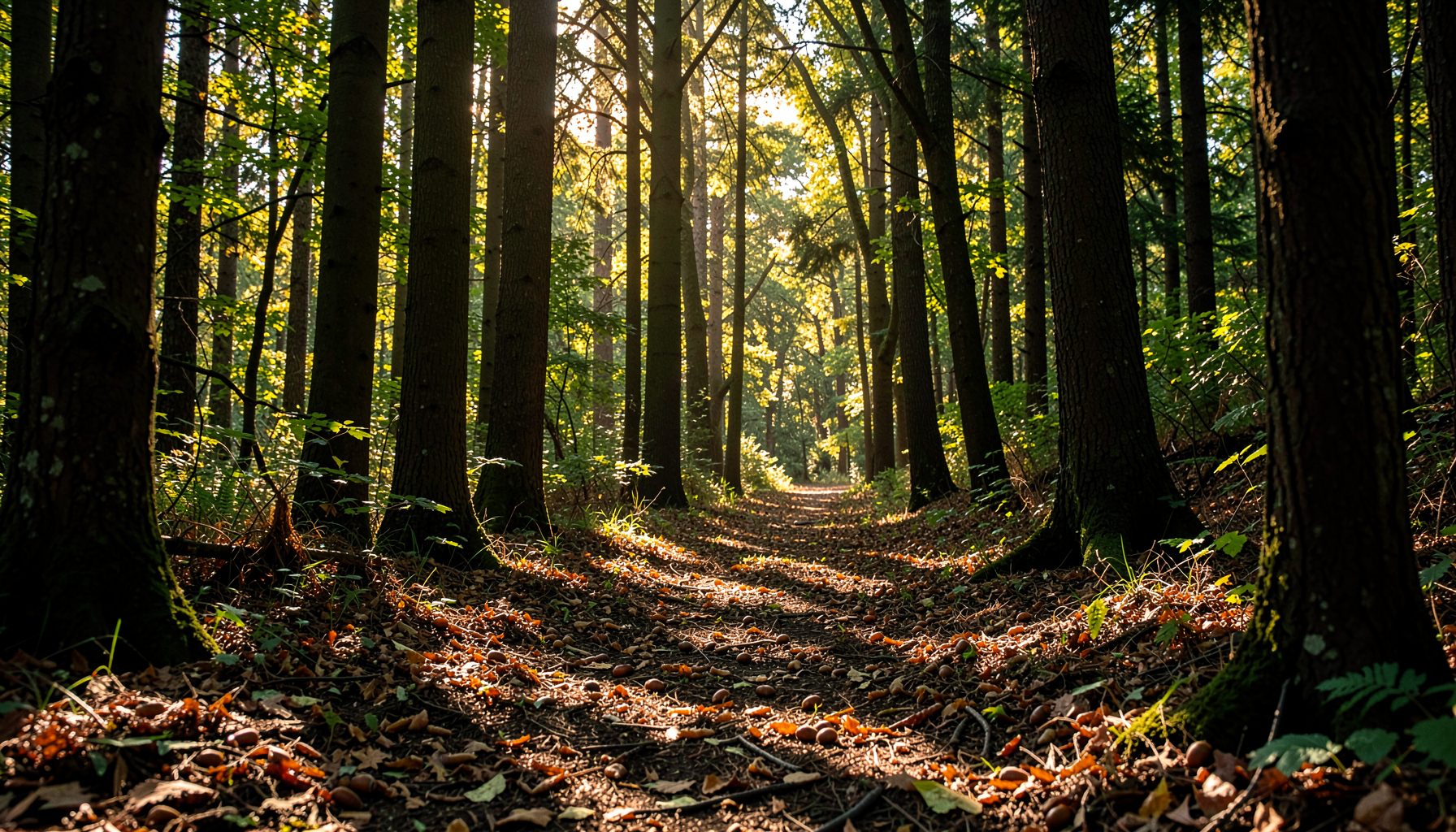
How to Spot a Declining Streamside Forest
A healthy streamside forest, or riparian buffer, does much more than add greenery along a creek. Its trees shade the water, hold soil in place, slow stormwater, provide wildlife habitat, and filter nutrients before they reach the channel. When this living edge begins to weaken, the warning signs often appear gradually and can be easy to overlook.
Forest decline may result from invasive plants, tree disease, compacted soil, flooding, drought, deer browsing, severe storms, or changes in nearby land use. A single dead tree is not necessarily a crisis. A pattern of thinning canopy, exposed roots, poor regeneration, and eroding banks is more significant.
Learning to read these patterns helps residents, landowners, students, and volunteer groups understand watershed health. Careful observation can guide seed collection, restoration planning, and timely action before a damaged stream corridor loses much of its ability to protect clean water.
Look at the canopy and tree health
Start by looking upward and comparing the streamside canopy with nearby mature forest. A stable riparian woodland usually has several layers: tall overstory trees, smaller understory trees, shrubs, and ground-level vegetation. Gaps are natural when created by a fallen tree, but numerous expanding openings may indicate stress.
Watch for sparse leaves, dead branch tips, premature autumn color, and crowns that appear thinner than they did in previous seasons. Repeated dieback across one species can point to an insect, pathogen, or environmental pressure. Trees with cavities and dead limbs can support birds and insects, so the goal is not to remove every dead stem. The concern is a broad pattern of decline combined with poor replacement growth.
Tree trunks provide additional clues. Long cracks, peeling bark, fungal conks, sunscald, and large areas of missing bark may signal injury or decay. Leaning trees and exposed root plates can reflect bank instability or saturated soil. However, identification should be cautious: bark texture changes with age, moisture, and damage. A useful field reference is this guide to swamp white oak bark, especially when deciding whether an important native tree is present.
Check for natural regeneration
A streamside forest is resilient when young native trees and shrubs are becoming established beneath and around older trees. Look for seedlings and saplings of species suited to wet or seasonally wet soils, such as sycamore, river birch, red maple, black gum, swamp white oak, willow, and various native shrubs. Their presence suggests that the forest has a continuing age structure rather than relying entirely on aging trees.
A lack of young native plants is a major warning sign, even when the overstory still appears green. Deer may be eating seedlings faster than they can grow. Dense vines may be smothering young stems. Invasive shrubs can occupy the understory and prevent native seeds from reaching soil. Repeated mowing, heavy foot traffic, and compacted ground can create the same problem.
Examine seedlings at several distances from the water. Are they scattered across the buffer, or confined to a few protected patches? Do they show browsing scars, stripped leaves, or clipped stems? Are there different species and sizes, or only one vigorous invasive plant? A healthy forest generally includes a mixture of ages and forms, while a failing one may have mature trees above an almost empty understory.
Seeds and nuts can reveal another part of the picture. A productive native tree may still be valuable even if few seedlings survive nearby. Collecting viable acorns and walnuts for nursery propagation can help restore future generations, provided collectors avoid stressed or infected parent trees and follow local guidance.
Read the ground and streambank
The forest floor records what the canopy may conceal. Bare soil, deep tire ruts, muddy trails, and broad patches of compacted ground show that water is moving quickly or people and equipment are disturbing the buffer. Healthy ground usually contains leaf litter, small roots, fallen wood, mosses, and a varied cover of native plants that soften rainfall and slow surface runoff.
Erosion is especially important to document along the bank. Look for fresh scarps, undercut edges, exposed roots, sediment fans, and piles of soil deposited after storms. A naturally winding stream can have small areas of erosion, but widespread bank collapse or a widening channel suggests that the corridor is losing stability. Removal of large trees can accelerate the problem because their roots no longer reinforce the soil.
Water clarity offers another clue, though it changes naturally during heavy rain. Persistent cloudiness, excessive algae, oily films, unusual odors, or accumulating trash may indicate runoff or pollution entering the stream. Streamside trees cannot solve every water-quality problem, but a degraded buffer often allows more sediment, fertilizer, and contaminants to reach the channel.
Observe from a safe distance and avoid walking on unstable banks. Do not enter fast-moving or deep water, and never approach a hazardous leaning tree. Photographs taken from the same locations over time can show whether a bare patch, eroded bank, or canopy gap is expanding.
| Field sign | What it may indicate | What to document |
|---|---|---|
| Thin crowns and repeated dead branches | Drought stress, pests, disease, or root damage | Species, number of affected trees, and season |
| Few native seedlings or saplings | Deer browsing, invasive plants, mowing, or compacted soil | Age range, browsing marks, and competing vegetation |
| Bare soil and exposed roots | Foot traffic, runoff, flooding, or bank erosion | Location, width of bare area, and recent weather |
| Dense vines or invasive shrubs | Suppressed regeneration and reduced plant diversity | Dominant species and area covered |
| Muddy water after ordinary rain | Sediment runoff or unstable banks | Rainfall timing, water color, and likely entry points |
| Large canopy gaps without replacement growth | Storm damage, tree removal, or long-term decline | Gap size, fallen wood, and nearby young trees |
Identify invasive plants and disrupted layers
Native riparian forests typically have visual variety. A person may see tall trees, mid-sized saplings, shrubs, ferns, sedges, herbs, and decomposing wood in the same area. When one aggressive plant forms a nearly continuous layer, that diversity is being displaced. Common warning signs include dense mats of English ivy, walls of bush honeysuckle, blankets of garlic mustard, or climbing vines weighing down native trees.
Invasive plants are not always the original cause of forest decline. They may take advantage of canopy gaps created by flooding, tree removal, or disease. Their presence can then prevent native regeneration and keep the forest from recovering. Pay attention to the relationship between gaps and invasive growth: a small opening with native seedlings has a different restoration need from a large opening filled entirely by nonnative shrubs.
Changes in forest structure matter even when individual plants are difficult to identify. A buffer dominated by one age class, one shrub, or one groundcover species is less adaptable than a mixed community. The loss of native flowering plants also affects pollinators, while reduced understory density removes nesting and hiding places for wildlife.
Do not pull unknown plants near a stream without knowing how removal will affect soil. Disturbing roots on an eroding bank can create more damage than the invasive plant itself. Identification, seasonal timing, disposal methods, and follow-up planting should be part of any control effort.
Consider causes beyond the trees
A declining stream corridor often reflects conditions outside the forest boundary. New roads, driveways, lawns, construction sites, drainage pipes, and stormwater outlets can send concentrated flows toward the channel. Agricultural fields may contribute sediment or nutrients. Fences, trails, and utility work can fragment the buffer and compact its soil.
Wildlife pressure can be equally influential. Heavy deer browsing leaves seedlings short, forked, or absent, while beavers can alter water levels and remove trees in localized areas. Floods may deposit debris or scour a bank, yet periodic flooding is also a natural function of many riparian systems. The key is to distinguish a temporary disturbance from a trend that prevents recovery.
Weather records and timing can help interpret what you see. Drought may explain thin crowns during one summer, while repeated dieback across several years deserves closer attention. A storm may create a temporary canopy gap, but the gap becomes a long-term concern if invasive plants occupy it and no native trees establish.
When collecting seeds for restoration, parent-tree health matters. Avoiding diseased trees protects nursery material and reduces the chance of spreading problems; these seed collection precautions explain why healthy source trees are essential. A declining site may still contain excellent seed trees, but they should be assessed individually rather than judged by location alone.
Turn observations into useful records
A simple monitoring visit can produce valuable information without specialized equipment. Record the date, weather, stream condition, dominant tree species, canopy gaps, invasive plants, erosion points, and signs of browsing. Mark photographs with a location or recognizable landmark so future observers can return to the same view.
Use consistent categories when comparing sites. For example, describe regeneration as abundant, scattered, or absent; bank erosion as minor, localized, or extensive; and invasive cover as low, moderate, or dominant. These descriptions are more useful when supported by photographs and approximate measurements.
Invite other people to inspect the site. A school group might map tree species, a family could photograph seasonal changes, and a workplace team might help identify native seed trees under guidance from a conservation program. Community participation also builds local knowledge. Neighbors who understand why a buffer matters are more likely to protect it from mowing, dumping, and unnecessary clearing. A practical resource on engaging neighbors can help turn individual observations into a shared seed-collection effort.
Actions that support recovery
- Protect existing native trees and shrubs from mowing, soil compaction, and unnecessary removal.
- Photograph and map erosion, invasive plant patches, canopy gaps, and areas without young native growth.
- Learn local tree species before collecting acorns, walnuts, or other seed, and use only healthy parent trees.
- Report suspected pollution, major bank failures, or dangerous trees to the appropriate land manager or conservation agency.
- Join a watershed restoration or native seed program so observations can support planting and long-term monitoring.
A streamside forest rarely declines overnight, and it rarely recovers through one planting day alone. Regular attention reveals which changes are seasonal, which are caused by a single event, and which require coordinated restoration. Healthy forests begin with accurate observation: notice the canopy, inspect the understory, read the soil, and follow the water.
Growing Native connects that observation with practical stewardship across the Potomac River watershed. Volunteer with a seed collection, share what you see with neighbors, or use local educational resources to help return native trees and shrubs to vulnerable stream corridors. Each healthy seed source and carefully recorded field visit contributes to cleaner water, stronger banks, and a forest that can renew itself over time.