How to Recognize a Healthy Streamside Buffer Zone
A healthy streamside buffer zone is a living boundary between flowing water and the surrounding landscape. It may look untidy compared with a mowed lawn, yet its layers of trees, shrubs, grasses, fallen leaves, and natural debris perform essential work. Together, they cool the stream, slow stormwater, hold soil in place, and provide habitat for wildlife.
These areas are also called riparian buffers or streamside forests. Their condition can reveal a great deal about watershed health. A diverse buffer usually supports clearer water, steadier streambanks, and better conditions for insects, fish, amphibians, birds, and pollinators. A narrow strip of struggling vegetation, by contrast, may signal erosion, pollution, invasive plants, or repeated disturbance.
Learning to recognize these features gives volunteers and landowners a practical way to understand local waterways. It also shows why collecting native seeds and growing regionally appropriate trees can make a lasting difference across the Potomac River watershed.
Look For Several Layers Of Vegetation
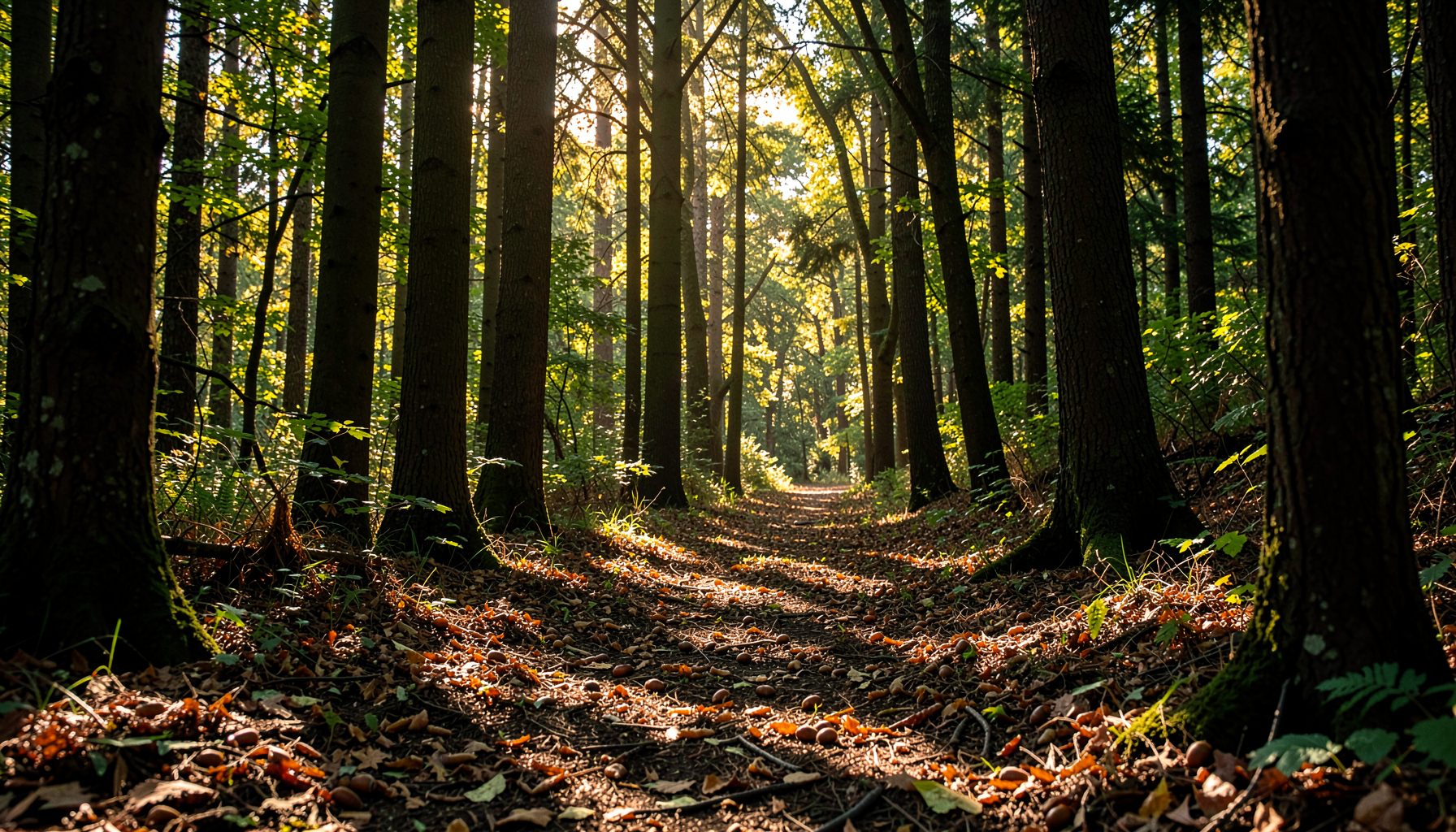
A strong riparian buffer contains more than a row of trees. The upper canopy is formed by mature hardwoods such as oaks, hickories, sycamores, tulip poplars, and river birches. Their branches shade the water, while their roots help anchor banks. A mixture of species is a positive sign because it creates resilience when drought, pests, disease, or severe weather affects one type of tree.
Below the canopy, young trees and shrubs fill the middle layer. Buttonbush, spicebush, elderberry, dogwood, and willow can offer nesting sites, berries, cover, and flowers at different times of year. A healthy buffer often includes seedlings and saplings of various ages, indicating that natural regeneration is occurring rather than relying only on old trees.
The lowest layer includes native grasses, sedges, ferns, wildflowers, leaf litter, and decomposing wood. Groundcover should protect soil without forming a solid wall of invasive vines. A carpet of leaves is valuable: it cushions raindrops, feeds soil organisms, and releases nutrients gradually instead of sending loose sediment directly into the stream.
Examine The Streambank And Water’s Edge
Stable streambanks usually have dense, varied root systems holding the soil together. Look for gradual slopes, rooted vegetation, and occasional exposed roots that support the bank without creating broad collapsing sections. Some natural undercutting is normal and provides shelter for fish, but long stretches of bare, crumbling soil suggest that runoff or excessive foot traffic is removing protective cover.
The water’s edge should transition naturally into the surrounding vegetation. Fallen branches, leaf packs, and logs may collect in the channel or along the bank. These features are often useful rather than unhealthy. They slow current, create pools, trap organic matter, and provide habitat for aquatic insects. Removing every branch and leaf can make a stream less complex and more vulnerable to fast-moving stormwater.
Observe the water itself without disturbing it. Clear water is not always a guarantee of good conditions, since some healthy streams carry natural tannins or sediment after rain. Still, persistent cloudiness, oily films, unusual foam, excessive algae, or strong sewage-like odors deserve attention. The wider pattern—vegetation, bank stability, flow, and water appearance together—is more informative than one isolated observation.
Check For Native Diversity And Regeneration
Species diversity is one of the clearest signs of a functioning buffer. A streamside area with several native tree species, shrubs, grasses, sedges, and wildflowers can support more wildlife and respond better to environmental stress than a stand dominated by one species. Different plants also root at different depths and use water and nutrients in different ways, improving the overall structure of the soil.
Look closely for natural regeneration. Small seedlings beneath mature trees show that seeds are germinating and young plants are surviving. Acorns, walnuts, hickory nuts, and other native hardwood seeds connect current forests with future ones. The acorn life cycle illustrates how a seed can move through dormancy, germination, growth, and eventual forest formation.
A healthy buffer does not need to be botanically perfect. Some open patches can benefit sun-loving plants, and occasional gaps may result from storms or natural tree turnover. The important question is whether native plants are filling those spaces over time. If bare ground expands each year or only one aggressive plant returns, the buffer may need restoration support.
| Feature | Healthy sign | Possible concern |
|---|---|---|
| Canopy | Several native tree species and different age groups | One-species stand, extensive dead canopy, or no young trees |
| Shrub layer | Native shrubs providing cover, flowers, and fruit | Sparse vegetation or dense invasive thickets |
| Ground layer | Leaf litter, sedges, grasses, ferns, and wildflowers | Broad bare soil, mowed grass, or compacted ground |
| Streambank | Rooted soil with natural curves and limited erosion | Long bare slopes, collapsing edges, or deep gullies |
| Water appearance | Mostly clear flow with natural variation after rain | Persistent sediment, oily sheen, foul odor, or unusual foam |
| Habitat structure | Logs, leaf packs, pools, and varied current | Channel cleared of debris and lacking shelter |
| Human impact | Limited trampling and thoughtful access points | Heavy foot traffic, vehicles, dumping, or regular mowing |
Recognize The Role Of Shade And Moisture
Temperature matters greatly in small streams. Overhanging trees and shrubs shade the channel, reducing the amount of solar heat absorbed by shallow water. Cooler conditions can benefit fish and aquatic organisms, while a shaded surface may also limit excessive growth of algae. A buffer that provides shade during much of the day is generally performing an important watershed service.
Moisture patterns can help identify the right plants for a location. Streamside soils may remain damp for much of the year, while higher parts of the floodplain may dry between storms. Healthy vegetation reflects these differences: wet-tolerant plants gather near the channel, and upland species appear farther away. A uniform lawn or ornamental planting often provides less habitat and weaker erosion control than a naturally varied plant community.
Notice whether rainwater is arriving slowly or rushing in concentrated channels. A good buffer catches runoff from roads, roofs, fields, and lawns before it reaches the stream. Leaf litter, roots, and uneven ground help water soak into the soil. Deep ruts, sediment fans, and channels cutting through the vegetation show that stormwater is bypassing this protective filtering system.
Distinguish Natural Change From Warning Signs
Streamside forests change with the seasons. Bare branches in winter, spring wildflowers, summer shade, and autumn leaf fall are all normal. A fallen tree, muddy water immediately after a heavy storm, or a temporary patch of exposed soil does not automatically mean the buffer is failing. Repeated observations over several months provide a more reliable picture than a single visit.
Warning signs become more meaningful when they occur together. Watch for frequent bank slumping, exposed tree roots over long distances, invasive vines smothering native plants, piles of trash, lawn grass extending to the water, and evidence of livestock or vehicle access. A lack of shrubs and young trees may indicate browsing pressure, mowing, herbicide use, or compacted soil.
Invasive plants such as garlic mustard, Japanese stiltgrass, multiflora rose, and English ivy can reduce native diversity when they dominate large areas. Identification should be careful, since some native plants resemble nonnative species at certain stages. Take photographs, note the location, and consult reliable local resources before removing anything, especially near a stream where careless disturbance can increase erosion.
Support Restoration Through Native Seeds
Healthy buffers often begin with small, locally adapted seeds. Native hardwoods and shrubs are suited to regional soils, seasons, and wildlife relationships. When collected responsibly and grown in state nurseries, these seeds can become seedlings for streamside restoration, erosion control, and reforestation projects.
Seed collection also creates a direct connection between community action and watershed recovery. Families, students, workplaces, and conservation groups can learn to identify trees, gather mature seeds, and understand what happens after collection. The Growing Native program connects these hands-on activities with broader efforts to restore forests and waterways throughout the Potomac River watershed.
Before collecting, follow local guidelines and avoid taking more than a site can support. Leave enough seeds for wildlife and natural regeneration, and never collect from protected areas without permission. Healthy restoration respects existing ecosystems while adding plants where the buffer has been damaged or lost.
Practical Ways To Help A Streamside Buffer
- Walk a familiar stream in different seasons and record canopy cover, bank condition, invasive plants, and signs of wildlife.
- Keep grass clippings, soil, fertilizer, pet waste, and household chemicals away from drainage paths leading to the water.
- Use native trees, shrubs, grasses, and sedges in nearby yards or community spaces to expand habitat beyond the immediate streambank.
- Join a seed collection or planting event and learn local tree identification from conservation educators.
- Choose defined crossings and viewing areas so repeated foot traffic does not compact soil or damage young plants.
Volunteers can also support long-term monitoring by taking photographs from the same locations over time. Comparing images can reveal whether bare banks are stabilizing, native seedlings are appearing, or invasive plants are spreading. Simple observations become more useful when they are consistent and shared with watershed organizations, land managers, or local stream groups.
Those ready to participate can register for volunteer opportunities involving seed collection, education, and restoration. Each collected acorn, walnut, or native shrub seed represents a future plant that may shade a stream, hold a bank, and improve water quality for years to come.
A healthy streamside buffer is a working ecosystem, not a landscaped border. Look for layered native growth, stable soil, natural stream structure, cool shaded water, and signs that young plants are replacing older ones. Then help protect or restore those conditions through careful observation, responsible planting, and community action.