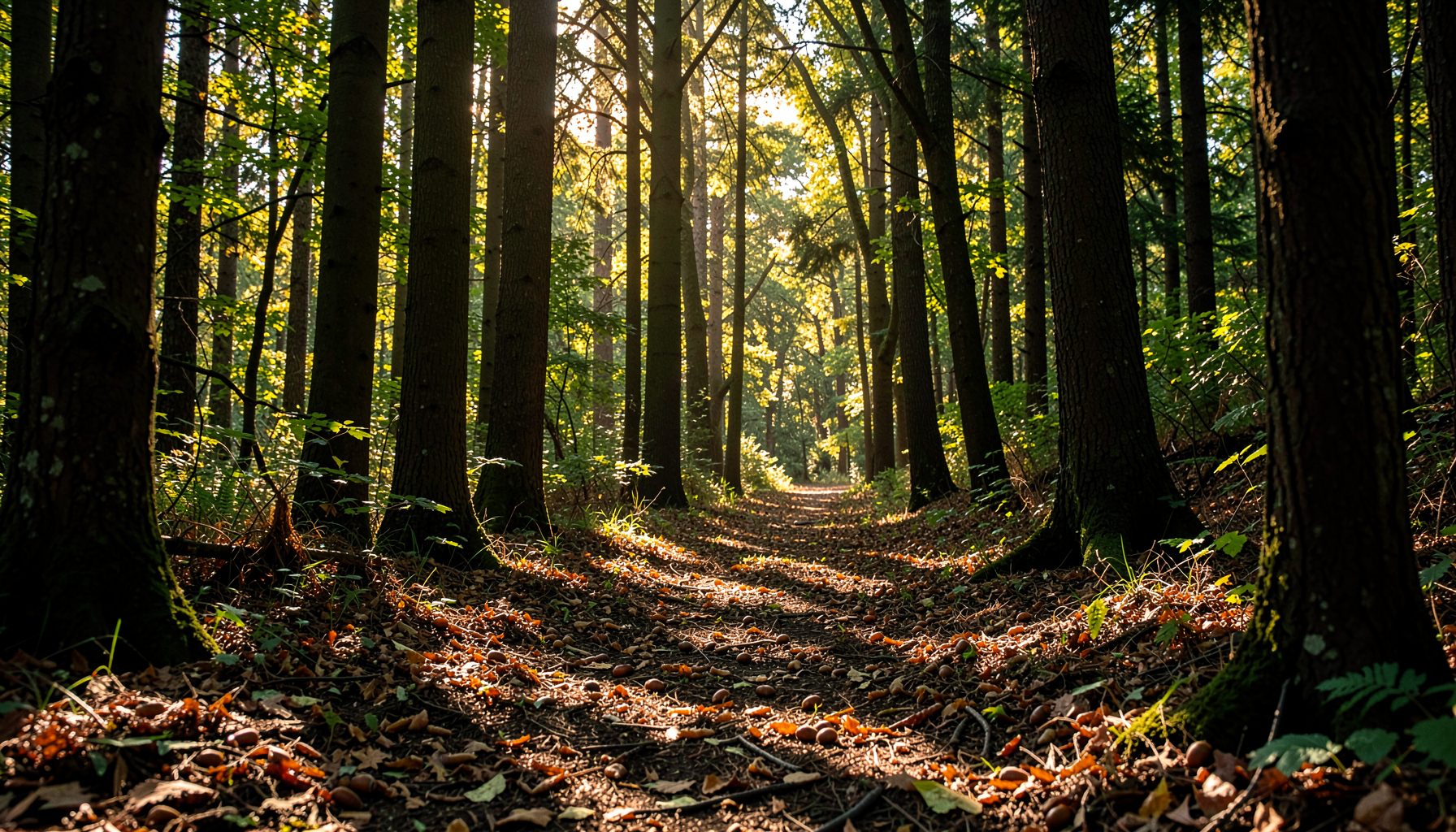
Partnering With Scout Troops For Native Seed Collection
Healthy forests begin with small, local actions. Collecting acorns, walnuts, and native shrub seeds gives state nurseries the raw material needed to grow seedlings for streamside restoration across the Potomac River watershed. When scout troops take part, a conservation project becomes an opportunity to practice observation, service, teamwork, and environmental stewardship.
Scout units are especially well suited to seasonal seed collection. Scouts often work in small patrols, follow field procedures, and enjoy activities that produce a visible community benefit. With thoughtful planning, a troop can help gather native seeds while learning how forests reduce erosion, filter water, and provide habitat.
A successful partnership does not require a complicated program. A conservation organization, troop leader, land manager, or school can agree on a collection goal, prepare volunteers, identify suitable sites, and arrange delivery. The most effective events combine clear instructions with enough flexibility for young people to explore and ask questions.
Why Scout Partnerships Matter
Scout troops bring dependable volunteer energy to a task that is difficult to complete alone. A single person may collect a useful bucket of acorns during a walk, but a coordinated troop can cover several safe collection areas during a morning. Families and adult leaders also create a broad network for gathering seed during the short windows when it is mature and available.
The educational value is equally important. Scouts can compare leaves, bark, husks, and fruit; record which trees are producing; and discuss why locally adapted native species are valuable in restoration. A collection day can connect badge work, community service hours, outdoor skills, and watershed education without turning the experience into a classroom lecture.
The partnership also helps young volunteers see where their effort goes. Collected seed may be donated to a state nursery, grown into seedlings, and planted along streams or other restoration sites. That long-term connection gives a service project a clear purpose: today’s careful fieldwork can support cleaner water and stronger forests years from now.
Build A Simple Seasonal Partnership
Start by contacting a troop committee, scoutmaster, den leader, or service coordinator several weeks before the expected collection season. Explain the conservation goal, the types of seed needed, the approximate group size, and the age range of participants. A short planning call can establish whether the troop wants a single service day, a recurring seasonal project, or a family collection campaign.
Registration should be easy for leaders and volunteers. Share the volunteer registration page with the troop contact, then provide a one-page event brief with the date, meeting location, expected duration, clothing guidance, safety rules, and a contact number. Clear information helps families arrive prepared and reduces confusion when several patrols are working at once.
Agree on responsibilities in advance. The conservation partner might select collection sites, provide bags, confirm acceptable species, and arrange seed transport. The troop may handle permission forms, attendance, adult supervision, and communication with families. Put these details in writing, even for a small event, so everyone understands who is responsible for children, tools, transportation, and the final handoff.
Prepare Scouts For Safe Accurate Collection
A short orientation before entering the field can prevent many mistakes. Show scouts how to recognize mature seed, how to collect from the ground without damaging living trees, and how to leave enough food for wildlife and natural regeneration. Explain that clean, intact seed from the correct native species is more valuable than a large quantity of uncertain material.
Tree identification should be practical and age appropriate. Leaders can divide participants into small teams, giving each team a simple identification card or photo guide. Demonstrate the difference between similar nuts before collecting begins; for example, scouts can review this guide to identify black walnuts and distinguish them from butternuts.
Safety instructions should cover poison ivy, ticks, uneven ground, lifting, weather, traffic, and unfamiliar plants. Require closed-toe shoes, long pants, water, and suitable layers. Adults should supervise road crossings, steep slopes, and tool use. Gloves can protect hands from rough husks, while handwashing or sanitizer should be available before snacks.
Use a simple quality check at the collection point. Seeds should generally be mature, undamaged, and free from excessive mold or insects. Keep different species in separate labeled bags, and record the collection date, site, approximate quantity, and names of the volunteers or troop. These records help nursery partners evaluate the material and teach scouts that good conservation depends on accurate information.
Plan Event Logistics In The Field
A well-run seed collection event feels organized without being rigid. Choose sites with permission, safe parking, clear boundaries, and enough mature native trees to keep participants engaged. Avoid areas treated with pesticides, locations beside busy roads, and properties where access or collection rights are uncertain.
Assign each patrol a defined task. One group can collect, another can identify and sort, and a third can record species and quantities. Rotate roles so younger scouts learn through observation while older participants practice leadership. A short opening briefing and a final gathering for weighing or counting seed help maintain momentum.
| Planning Element | Practical Approach | Why It Helps |
|---|---|---|
| Collection site | Use approved parks, school grounds, farms, or private properties with permission | Protects landowner relationships and volunteer safety |
| Group size | Work in patrols of four to eight participants | Makes supervision and instruction manageable |
| Materials | Bring labeled paper bags, buckets, gloves, clipboards, pencils, water, and first-aid supplies | Supports clean collection and reliable records |
| Field records | Note species, date, location, weather, and approximate quantity | Gives nurseries useful background information |
| Seed storage | Keep collections cool, shaded, and dry until delivery instructions are confirmed | Reduces spoilage and preserves viability |
| Closing activity | Review findings, thank volunteers, and explain the restoration connection | Reinforces learning and service value |
Transportation deserves particular attention. Seed should not sit in a hot vehicle for hours, and different species may require different handling. Ask the receiving nursery or conservation coordinator about temporary storage, delivery timing, and whether bags should remain open for ventilation. A designated adult should manage the final inventory so that no collection is misplaced.
Turn Collection Into Meaningful Learning
Scouts remember activities that give them something to investigate. Before the event, ask them to predict which trees will have the most seed or why some years produce heavier crops than others. In the field, they can look for signs of squirrels, deer, birds, fungi, and other wildlife that also depend on nuts and fruit.
A simple data sheet can turn observation into a useful citizen science exercise. Scouts might record the number of parent trees, compare seed production in sunny and shaded areas, or map collection points. They do not need advanced equipment; careful notes, a basic compass, and a phone or printed map are enough for many activities.
Connect the collected seed to watershed health in concrete terms. Streamside trees shade water, stabilize soil with their roots, and intercept runoff before sediment and nutrients enter a creek. Native shrubs and hardwoods also create habitat corridors and help restore ecological relationships that support the wider Potomac River watershed.
Follow-up keeps the project from ending when the bags are delivered. Send the troop a short report showing the species and approximate amount collected, along with information about nursery propagation or future planting. If possible, invite scouts to a later tree-planting day so they can see how collection, growing, and restoration fit together.
Make The Partnership Work For Every Age
A troop may include kindergarten-age children, teenagers, and adult volunteers with different abilities and interests. Design several levels of participation rather than giving everyone the same assignment. Younger children can gather large acorns in open areas, older scouts can manage species identification and records, and adult leaders can coordinate transport and site safety.
Accessibility should be considered during site selection. A flat schoolyard or park edge may be better than a wooded slope for families with mobility limitations. Provide seated sorting roles, shorter walking routes, and clear rest points when possible. Inclusive planning allows more community members to contribute meaningfully.
Recognition helps reinforce service without making the project competitive. Provide participation certificates, a troop service letter, or a short presentation at a meeting. Praise careful identification, teamwork, safe conduct, and stewardship rather than rewarding the patrol that gathers the largest volume. Conservation quality matters more than speed.
Practices That Strengthen Future Events
- Set the next planning date before the current collection season ends.
- Give troop leaders species lists and field instructions early.
- Keep seed quantities realistic for the receiving nursery’s needs.
- Invite families to report mature native trees on approved properties.
- Share restoration results, photographs, or planting updates with participants.
A recurring partnership can grow naturally. One troop might collect acorns in autumn, help with tree planting in spring, and use winter meetings to study local forest ecology. Another might collaborate with a school, watershed association, or workplace volunteer team to reach additional collection sites. The exact format matters less than maintaining reliable communication and consistent stewardship standards.
Measure The Value Beyond The Bags
Track more than the number of seeds collected. Record volunteer attendance, service hours, participating families, species diversity, and the number of sites visited. These details help conservation groups report results, improve future events, and demonstrate the broader civic value of youth involvement.
Ask leaders for brief feedback after the event. What instructions were clear? Which activities held scouts’ attention? Were parking, materials, and supervision adequate? A five-minute debrief can reveal practical improvements, such as adding more sorting tables or shortening the field route for younger participants.
Success can also be measured through confidence and knowledge. A scout who can identify a native walnut, explain why streamside trees matter, or safely lead a patrol through a collection site has gained a lasting conservation skill. Those skills may influence future choices about land care, volunteering, and community service.
The strongest relationships are built around shared ownership. Conservation staff provide technical guidance, while scout leaders understand their members and troop culture. When both sides contribute ideas, seed collection becomes more than a one-day assignment. It becomes a dependable local tradition that supports forests, waterways, and young people’s connection to place.
A scout troop can begin with one approved collection site, a clear species list, and a small group of prepared volunteers. Contact Growing Native to coordinate a seasonal opportunity, register participants, and connect collected seed with the nurseries and restoration projects that need it. With careful planning and steady community support, a morning of gathering native seed can help shape healthier forests for generations.