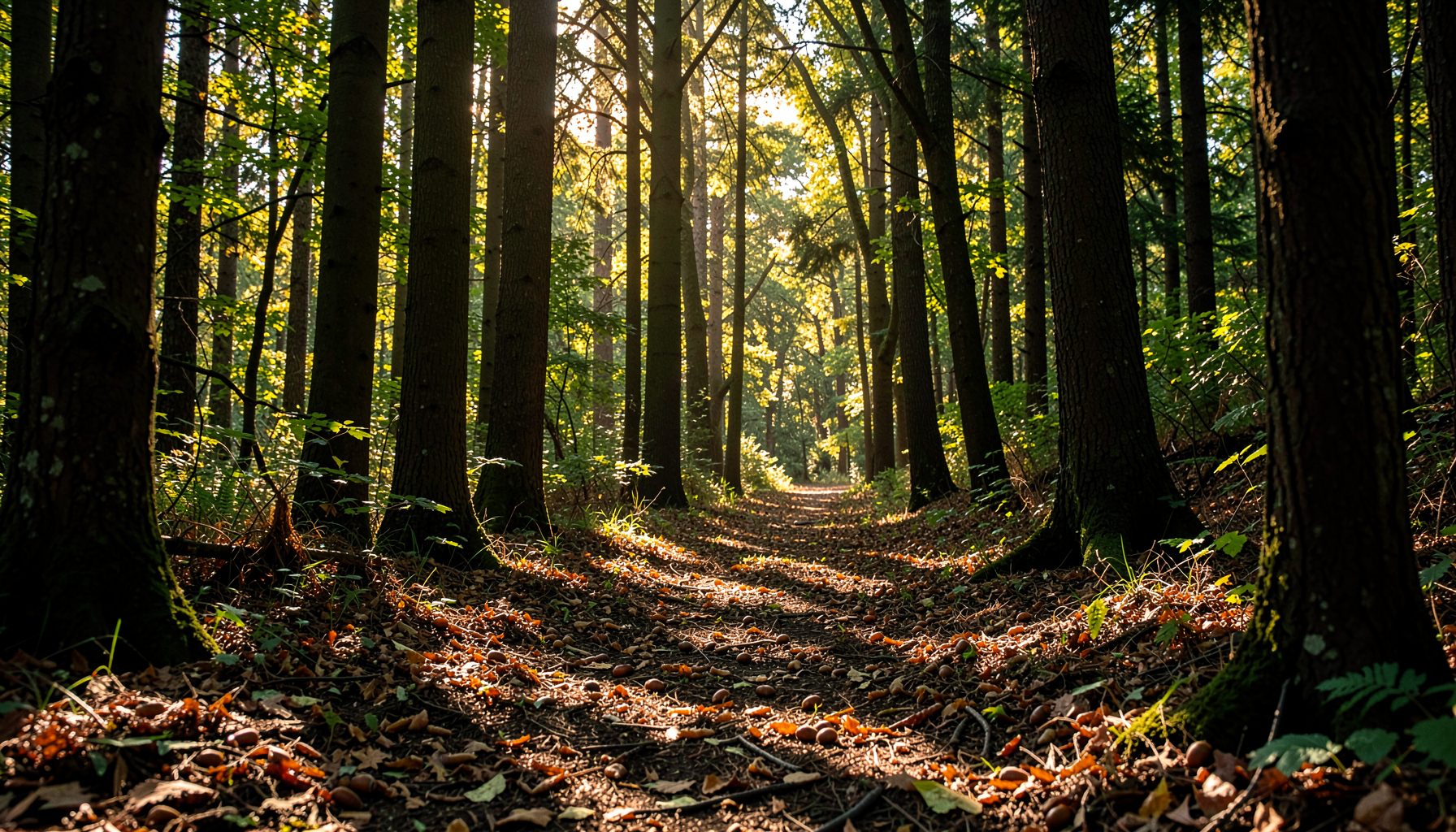
Planning a family-friendly seed hunt at your local park
Autumn across Australia arrives between March and May, painting bushland and suburban parks in shades of gold and signalling the busiest season for native seed collection. For families looking to spend a meaningful arvo outdoors, gathering seeds from local trees offers a hands-on way to connect with the landscape while contributing to community revegetation efforts. A well-organised event can turn a simple walk into a memorable lesson in ecology, generosity, and the rhythms of the bush.
Seed hunts work because they transform everyday green spaces into living classrooms. Children as young as four can take part, learning to recognise seed pods, count their haul, and understand why mature trees matter for native wildlife. When paired with a donation to a local nursery or Landcare group, the activity also supports habitat restoration on a wider scale, from creek banks in the Yarra Valley to coastal dunes around Byron Bay.
Whether you live near the sprawling parklands of Sydney's east, the leafy trails threading through Yarra Bend in Melbourne, or the bush reserves hugging the Brisbane River, chances are there are native trees dropping seeds within a short drive of home. The key is matching your group's energy, age range, and curiosity to a park that offers both easy walking and a healthy diversity of species.
Choosing the right park and timing
Australia's autumn months align perfectly with the seed-fall of many iconic natives, making parks prime hunting grounds from late March through May. Eucalyptus species drop woody capsules, wattles scatter shiny black seeds, and banksias release their follicles in tidy cones. In cooler regions like the Dandenong Ranges or around Hobart, the season can stretch into early June, while in subtropical Brisbane the window opens a little earlier.
Look for parks that combine open grassy areas for kids to run with pockets of mature, unsprayed bushland. Sites such as Kings Park in Perth or the Australian National Botanic Gardens in Canberra offer safe paths and diverse plantings, though smaller neighbourhood reserves often work just as well. Before your visit, check council websites for any herbicide spraying schedules, and avoid areas recently treated with chemicals.
Aim to arrive mid-morning when the light is bright and most critters are still warming up. Pack a thermos for a billy tea or coffee stop mid-hunt, and plan to wrap up before the kids hit the dreaded witching hour. A two-hour window suits most families, leaving room for a relaxed morning tea on the grass afterwards.
Engaging kids and keeping the group moving
Children respond best to clear, simple roles. A "spotter" walks ahead looking for low-hanging branches, while a "collector" carries the bag and a "scribe" jots down what was found and where. Rotate the jobs every fifteen minutes so everyone gets a turn, and younger kids can graduate from holding the clipboard to making the actual picks.
Turn the day into a gentle scavenger hunt with a printed checklist: one wattle pod, three eucalyptus capsules, a fallen banksia cone, and a mystery seed to identify back at home. Rewards don't need to be flashy; a certificate printed at home or a nature journal often becomes a treasured keepsake. Many Australian families find that a shared sheet fosters cooperation rather than competition, especially when cousins or siblings of different ages are involved.
Keep the mood light with classic Aussie bush humour and a few rounds of "spot the kookaburra" along the way. If someone gets restless, a quick game of chasey around a big old gum tree usually resets the energy. Remember that the goal is connection with place, not a perfectly curated haul, so leave room for spontaneous detours and puddle-stomping.
Gear, safety, and ethical collecting
A well-packed kit makes the difference between a smooth arvo and a cranky car ride home. Essentials include sturdy closed-toe shoes, sunhats, long sleeves for scratchy wattle branches, insect repellent, water bottles, and breathable bags for collecting seeds. Bring a few paper envelopes or small cotton pouches so different species don't mix, and label each one with the tree type and location before you leave the park.
Safety comes first around any bushland area. Watch for snakes in warmer weather, especially near rocky outcrops or long grass, and teach kids to step loudly and stick to the path. If anyone has allergies to bees or ants, pack appropriate medication and check flowering banksias carefully before getting close.
Ethical collection means taking only what's plentiful and never stripping a tree. A good rule of thumb is to gather no more than ten percent of available seeds from any single plant, leaving plenty for birds, possums, and the next generation of trees. For deeper insights into how wetland seeds support healthy waterways, this riparian buffer guide breaks down the science behind streamside planting.
Identifying the seeds you find
Learning to recognise common Australian natives turns a casual hunt into genuine discovery. River red gum capsules are disc-shaped and woody, while silver wattle pods twist open to reveal rows of hard black seeds. Melaleuca, often called paperbark, releases tiny woody clusters that cling close to the trunk, and she-oak cones look like miniature pinecones with a delicate, feathery texture.
| Species | Seed type | Best time to collect | Habitat clues |
|---|---|---|---|
| River red gum (Eucalyptus camaldulensis) | Woody capsules, disc-shaped | April to June | Creek lines, floodplains |
| Silver wattle (Acacia dealbata) | Curled pods with black seeds | October to December | Cooler uplands, disturbed soil |
| Banksia (various) | Woody follicles on cones | Year-round, peak autumn | Sandy soils, coastal heath |
| Melaleuca (paperbark) | Tiny capsules in clusters | Late summer to autumn | Swampy ground, riverbanks |
| She-oak (Allocasuarina) | Small cone-like fruits | Winter to spring | Open forest, well-drained slopes |
For a more thorough approach, working through a structured tree identification guide helps families move from guesswork to confident naming. Snap clear photos of leaves, pods, and bark before you collect, and compare them against trusted field apps or your local herbarium's online records.
Recording GPS coordinates or street names for each tree makes future visits easier and supports ongoing citizen science projects. Many councils now host iNaturalist-style platforms where your observations feed into broader biodiversity databases, contributing real data to conservation planning across your state.
Tips for a smooth, memorable outing
- Scout the park a week ahead to note seed-drop hotspots and safe paths.
- Pack a simple first-aid kit, sunscreen, and a charged phone with offline maps.
- Print or draw a kid-friendly map marking meeting points and rest spots.
- Bring spare bags and labels so families who arrive empty-handed can still join in.
- End with a shared morning tea or picnic to celebrate everyone's contributions.
- Follow up with a photo email or group chat showing where the donated seeds ended up.
Head out this autumn, gather your nearest and dearest, and let the local park become the starting point for something much bigger than a single Saturday arvo. Australian bushland thrives on the small, steady efforts of everyday communities, and your family's seed hunt could be the first step in a long, rewarding relationship with the landscape. When you're ready to take the next step, connect with the team to learn about upcoming planting days, seed-drying workshops, and ways to keep your family involved throughout the year.