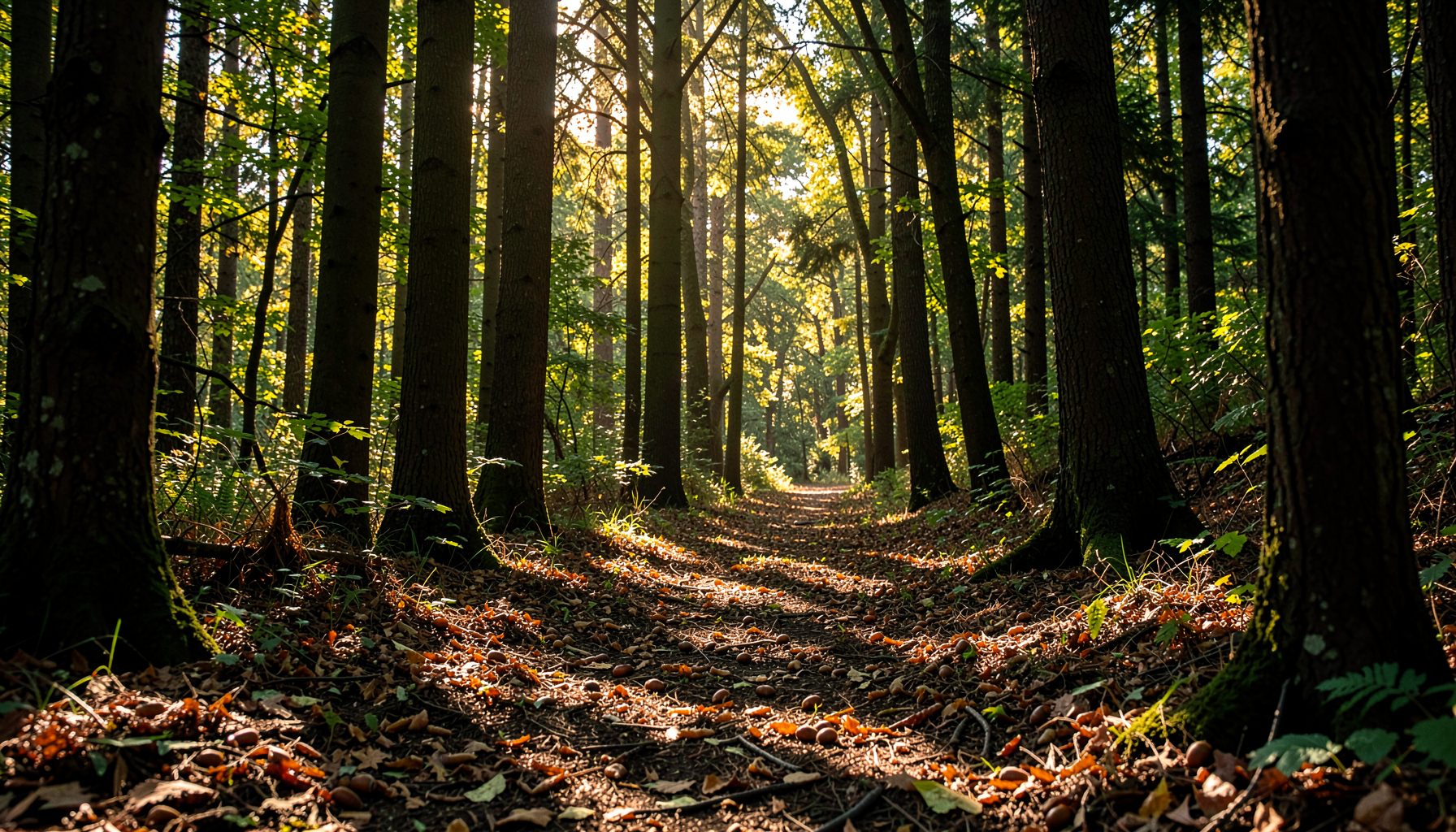
Lead a Safe and Effective Seed Collection Walk
A seed collection walk turns a familiar forest visit into purposeful conservation work. Volunteers search for mature acorns, walnuts, and other native hardwood or shrub seeds that can be grown into seedlings for streamside restoration across the Potomac River watershed. With thoughtful planning, the activity can be educational, productive, and enjoyable for a wide range of ages.
The leader’s role extends beyond finding seeds. A strong walk protects participants, respects land and wildlife, helps volunteers identify suitable native trees, and keeps every collection properly sorted and documented. Clear expectations make the group more confident and reduce the chance of damaged seeds, unsafe behavior, or accidental collection from the wrong plants.
The best walks also connect a handful of seeds to the larger watershed picture. Native trees stabilize streambanks, slow erosion, filter runoff, provide wildlife habitat, and help maintain cleaner water. Explaining that connection gives each participant a reason to handle the work carefully.
Plan The Route And Permissions
Begin by choosing a site where seed collection is allowed. Confirm permission with the landowner, park office, school, municipality, or other responsible authority before advertising the event. Ask whether there are restrictions on collecting natural materials, parking, group size, trail access, or specific species. Never assume that public access automatically permits collection.
Visit the route in advance and walk it from start to finish. Look for native parent trees, accessible seed-bearing areas, stream crossings, steep slopes, poison ivy, dead branches, unstable ground, and nearby roads. A short route with several productive trees is usually safer and more effective than a long hike with little time for observation.
Plan for weather, daylight, transportation, and restroom access. Cancel or postpone the walk during thunderstorms, high winds, flooding, extreme heat, or conditions that make trails slippery. Share the meeting location, expected duration, clothing guidance, and emergency contact information before the event so families and group leaders can prepare.
Prepare People Before They Collect
Start with a brief safety talk before anyone spreads out. Explain the boundaries, buddy system, meeting point, headcount procedure, and what to do if someone becomes separated. Children should remain within sight of an adult, while larger groups may need assigned teams with an adult lead and a closing sweep.
Ask participants to wear closed-toe shoes, long pants, and clothing suitable for brush and changing weather. Recommend water, sunscreen, insect repellent, and any personal medication. Leaders should carry a first-aid kit, charged phone, emergency contacts, hand sanitizer, drinking water, and basic supplies for minor cuts or blisters.
Review common hazards without creating alarm. Participants should avoid touching unfamiliar plants, mushrooms, or animals; never eat collected seeds; watch for ticks; and use care around fallen limbs and uneven terrain. Anyone with serious allergies, mobility concerns, or medical needs should have an appropriate plan and an adult who knows how to respond.
Build identification into the briefing. Show the group how bark, leaves, twigs, fruit, and overall tree shape work together rather than relying on a single feature. A useful tree identification guide can help leaders prepare a short field lesson on important Potomac watershed species.
Identify Suitable Native Seed Sources
The goal is quality native seed, not the largest possible harvest. Select healthy parent trees that match the local landscape and avoid trees showing severe disease, heavy insect damage, extensive dieback, or signs of invasive species nearby. Collect from several individuals when possible, since genetic diversity strengthens restoration efforts.
Teach volunteers to distinguish mature seeds from immature or damaged ones. Acorns generally show better potential when they are fully formed, have natural color, and separate cleanly from the cap. Walnuts and other fruits should be mature for their species, free from soft rot, and handled according to the receiving nursery’s instructions.
Avoid collecting every seed beneath one tree. Leave a generous share for birds, squirrels, and natural forest regeneration, and never strip branches or climb trees. Do not gather seeds from landscaped cultivars, ornamental nonnative trees, roadside plantings exposed to pollutants, or locations where the species cannot be identified confidently.
A leader should make the final call when identification is uncertain. Place questionable material in a separate container for review rather than mixing it with known seed. This simple habit protects the integrity of the collection and gives volunteers a practical lesson in responsible field science.
Collect, Sort, And Record Carefully
Use sturdy buckets, paper bags, breathable mesh sacks, or other containers recommended by the receiving organization. Avoid sealing fresh, damp seeds in airtight plastic for long periods because trapped moisture can encourage mold and reduce viability. Bring labels, waterproof markers, gloves, and a clipboard or digital form for field notes.
Each collection should be traceable. Record the date, general location, collector or team, tree species, and any details requested by the nursery or conservation program. Separate species and collection sites rather than combining everything in one large bag. Clear labeling prevents confusion after the walk and helps staff decide how to process the material.
| Field practice | Why it matters | Leader’s action |
|---|---|---|
| Collect from several healthy native trees | Supports genetic diversity and better restoration stock | Divide volunteers among confirmed parent trees |
| Leave some seed behind | Provides food and natural regeneration | Set a collection limit for each tree or site |
| Keep species and locations separate | Preserves traceability and sorting accuracy | Label every container immediately |
| Remove visibly damaged material | Reduces mold and wasted processing time | Ask volunteers to discard or isolate poor seed |
| Use breathable containers | Helps prevent moisture buildup | Transfer damp seed from sealed bags promptly |
| Record field details | Supports nursery planning and program evaluation | Assign one person to maintain the log |
Make sorting a supervised activity rather than a rushed final step. Volunteers can remove broken, moldy, insect-infested, or clearly immature seeds while leaders check uncertain examples. Keep hands clean, avoid unnecessary crushing, and follow any program-specific instructions about float tests, husks, refrigeration, or delivery timing.
Finish with a final inventory and headcount before leaving the site. Confirm that no labels, tools, food wrappers, or personal belongings remain behind. Return collected seed promptly through the agreed Growing Native process so it can be evaluated and transferred to a state nursery at the right stage.
Keep The Group Moving And Engaged
A productive walk needs a manageable rhythm. Begin with a short demonstration at the first suitable tree, then form small teams with defined tasks: observers identify the tree, collectors gather fallen seed, sorters check quality, and a recorder marks the container. Rotate roles so participants learn more than one part of the process.
Set simple boundaries for how far teams may travel and establish regular check-in times. A whistle, visible meeting point, or buddy system can help on larger properties, but these tools should support—not replace—active supervision. Leaders should know who is present and pause the activity whenever visibility, terrain, or weather becomes unsafe.
Use the walk to teach forest ecology in short, practical moments. Explain how leaf litter protects soil, how roots slow stormwater, and why streamside forests matter to aquatic life. Let participants compare seeds, examine bark, and notice which trees grow near water, upland slopes, or disturbed edges.
Educational materials from Growing Native’s education resources can help leaders prepare age-appropriate activities before the event. A simple scavenger hunt, species-matching exercise, or seed-quality demonstration keeps attention focused while reinforcing accurate observation.
Make Safety And Stewardship Routine
Before collecting, agree on what the group will leave untouched. That includes wildlife nests, fungi, wildflowers, deadwood used by animals, culturally significant materials, and seeds that cannot be identified. Participants should stay on durable surfaces when possible and avoid trampling streambanks, seedlings, and sensitive wetland vegetation.
Tick checks should be part of the closing routine, especially after walking through tall grass, leaf litter, or brush. Encourage volunteers to check clothing and exposed skin at home as well. Leaders should also inspect the group for minor injuries, overheating, or allergic reactions before transportation begins.
Review the collection with participants while the experience is fresh. Discuss which species were found, how many containers were filled, what safety decisions were made, and how the seeds will support future planting. This reflection turns a one-day service project into lasting environmental stewardship.
Good leadership also means being willing to collect less. A smaller amount of correctly identified, healthy seed is more valuable than a large mixed batch gathered without records. Careful limits protect the forest today while improving the quality of tomorrow’s restoration work.
Use A Simple Leader Checklist
A written checklist keeps essential details from being overlooked when the group is busy. Prepare it several days before the walk, then adjust it after the site visit and weather check. Share the relevant parts with co-leaders so everyone understands who is responsible for safety, supplies, attendance, and seed documentation.
Keep the checklist short enough to use in the field:
- Confirm permission, route conditions, weather, parking, and emergency access.
- Bring first aid, water, charged phones, labels, markers, gloves, and suitable containers.
- Give a safety briefing covering boundaries, buddy pairs, ticks, plants, roads, and wildlife.
- Collect only confirmed native seed from healthy trees, leaving plenty for natural use.
- Label, sort, count, document, and deliver each collection according to program instructions.
After the event, note what worked and what caused delays. Record which trees produced mature seed, whether the route was appropriate for the group, and which identification questions came up repeatedly. These observations make the next seed collection walk safer, smoother, and more useful for volunteers and nursery partners.
A well-led walk ends with clear stewardship rather than a rushed departure. Thank participants, explain the next step for their collection, and connect their effort to future streamside seedlings. When people understand where the seeds are going and why careful collection matters, they are more likely to return as confident conservation volunteers.
Join Growing Native’s volunteer efforts to help gather native seeds for healthier forests, stronger streambanks, and cleaner waterways throughout the Potomac River watershed. Bring a family, class, workplace, or community group, and turn a guided walk into practical action for the places that depend on native trees.