Five Native Trees That Shape the Potomac Watershed
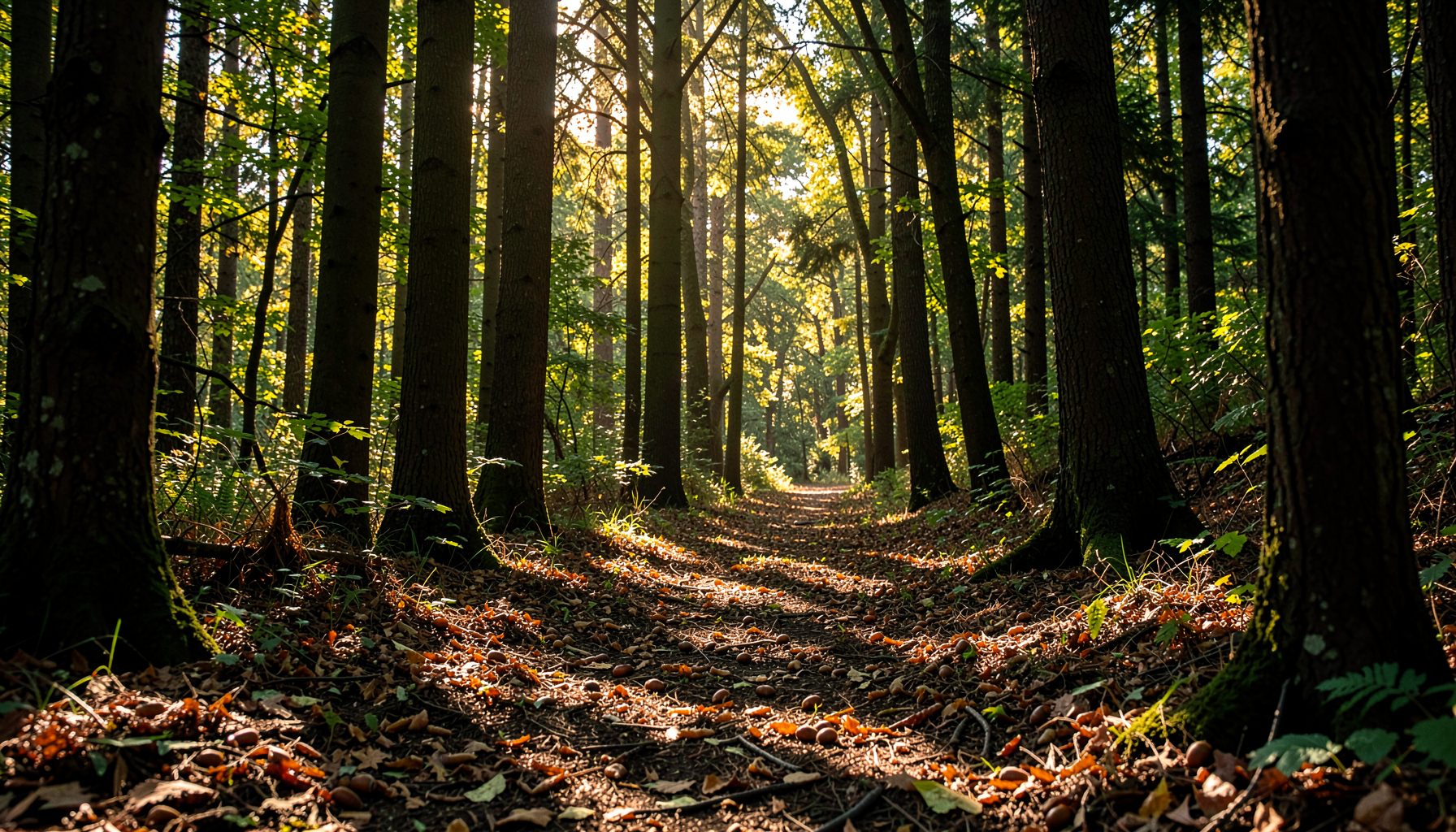
A walk through the Potomac River watershed can reveal much about forest health. The trees along a streambank, on a wooded slope, or beside a farm field each respond to soil, water, wildlife, and seasonal change. Learning to recognize them helps volunteers collect the right seeds and understand why those seeds matter.
Growing Native connects people with the practical work of restoring forests and waterways. Collected acorns, walnuts, samaras, and other native tree seeds can be grown at state nurseries and returned to the landscape as streamside seedlings. These plantings help stabilize soil, filter runoff, shade waterways, and rebuild habitat.
Tree identification also turns a volunteer outing into an ecological investigation. The shape of a leaf, the texture of bark, or the location of a mature tree can provide clues about the species and its role in the watershed. The volunteer site map can help groups find suitable locations for seasonal collecting and restoration activities.
Why Tree Knowledge Matters
Native hardwoods are closely connected to the Potomac watershed’s natural processes. Their roots hold streambanks in place, while fallen leaves feed insects and microorganisms that support aquatic food webs. Their branches provide nesting sites, shade, and travel corridors for wildlife.
Knowing a tree’s identity is especially important when collecting seed. Different species produce different kinds of fruit, mature at different times, and require distinct handling. Volunteers who can distinguish a healthy native tree from an ornamental or invasive species are better prepared to gather useful material without damaging the parent tree.
A good field observer also records the surrounding conditions. Is the tree growing in a wet floodplain, a rocky upland, or a forest edge? Are the seeds mature and intact? Is the parent tree vigorous? These details help conservation partners select seed that is suited to future restoration sites.
White Oak: A Keystone Food Tree
White oak is one of the most valuable trees in eastern forests. Its rounded-lobed leaves, pale gray bark, and broad crown make it recognizable once volunteers know what to look for. The acorns generally mature in a single growing season, which can make them available for collection in early fall.
The species supports a remarkable range of wildlife. Deer, wild turkeys, squirrels, black bears, and many birds feed on its acorns, while insects associated with oak support nestlings and other animals. A mature white oak can also provide cavities, fallen wood, and a long-lasting canopy structure.
When collecting white oak acorns, volunteers should look for firm nuts with intact caps and avoid those that are soft, moldy, or pierced by insects. Fresh acorns often sink in water, although flotation is only one screening method. Because oak seedlings develop strong roots early, prompt handling and appropriate storage are important.
Restoring white oak in suitable upland and mixed-forest settings strengthens both biodiversity and future seed sources. The species is long-lived, so a seed gathered today can contribute to forest structure for generations.
Black Walnut: A Valuable Watershed Hardwood
Black walnut is a tall native tree often found on rich floodplain soils, stream terraces, and fertile lower slopes. Its compound leaves may be more than a foot long, with many smaller leaflets arranged along a central stem. The round green fruit has a thick husk surrounding the familiar ridged nut.
The fruit usually falls in late summer or autumn and may stain hands, clothing, and tools. That dark pigment is a useful identification clue, as is the deeply furrowed gray-black bark on mature trees. Volunteers should handle fallen walnuts carefully and follow collection guidance for removing excess husk material.
Black walnut contributes high-quality food and habitat for wildlife, while its extensive root system helps hold productive soils. It is also an important timber species, making naturally regenerated individuals valuable to future forest diversity. Because walnut fruit can be heavy and plentiful beneath a single tree, it is easy to gather enough seed without stripping the branches.
A healthy parent tree in a clean, accessible location is usually the best source. Volunteers should avoid collecting from trees showing severe disease, major storm damage, or signs of contamination. The goal is to support restoration with viable seed, not simply to fill a bag.
Sycamore and River Birch: Streamside Specialists
American sycamore is especially associated with the Potomac’s banks and floodplains. Its large leaves, mottled bark, and distinctive round seed balls make it memorable. The bark often appears white, tan, and brown in patches as outer layers peel away, giving older trunks a striking appearance.
Sycamore tolerates periodic flooding and can grow into a massive canopy tree. Its roots help reinforce stream margins, while its branches create shade over water and shelter for wildlife. The small seeds are held in spherical clusters that often persist into winter, though collecting and propagation practices should follow the instructions provided for each project.
River birch is another tree adapted to wet ground and changing water levels. Its peeling bark ranges from cinnamon brown to silvery gray, and its triangular leaves have double-serrated edges. It is commonly found beside creeks, rivers, wetlands, and low-lying drainage areas.
These two species illustrate why location matters in native tree restoration. A tree suited to a floodplain may fail on a dry, exposed hillside, while an upland species may not tolerate saturated soil. Matching seed collection and planting locations to natural habitat improves survival and reduces maintenance needs.
Red Maple and the Clues of Season
Red maple is among the most widespread native trees in the Potomac region. It grows in wet woods, uplands, disturbed edges, and suburban forests, making it a frequent sight during volunteer surveys. Its leaves usually have three to five pointed lobes and may turn brilliant red, orange, or yellow in autumn.
The species produces paired winged fruits called samaras. These are often known as “helicopters” because they spin as they fall. Red maple samaras mature in spring or early summer, earlier than the acorns and walnuts of many other hardwoods. That different schedule reminds volunteers to watch trees across the full calendar rather than limiting seed collection to autumn.
Red maple offers valuable cover and food for wildlife and can establish in a broad range of restoration settings. It is especially useful in projects that need a flexible native canopy species, although local guidance remains essential because seed sources and planting conditions vary.
| Tree | Key Identification Clues | Common Seed Type | Watershed Value |
|---|---|---|---|
| White oak | Rounded leaf lobes, pale gray bark, broad crown | Acorn | Wildlife food, canopy, long-term forest structure |
| Black walnut | Compound leaves, green husked fruit, dark furrowed bark | Walnut | Floodplain habitat, soil stabilization, hardwood diversity |
| American sycamore | Mottled bark, large leaves, round seed balls | Seed cluster | Flood tolerance, streambank shade, bank protection |
| River birch | Peeling bark, triangular serrated leaves, multi-stem form | Small nutlets | Wetland habitat, erosion control, streamside cover |
| Red maple | Pointed lobes, colorful fall leaves, paired samaras | Winged samara | Broad habitat tolerance, canopy cover, wildlife support |
Collect Seeds With Care
Seed collecting is most effective when it combines careful observation with respect for the forest. Volunteers should gather from healthy native trees, leave plenty for wildlife, and avoid taking immature or damaged seed. A small field notebook or phone record can capture the tree’s location, habitat, collection date, and identifying features.
Before an outing, groups should review current instructions for bags, labels, storage, and drop-off. Collection standards can vary by species and partner nursery. Families and schools may also benefit from practicing tree identification first, using leaves, bark, fruit, twigs, and overall form together rather than relying on a single feature.
Practical habits make fieldwork safer and more useful:
- Wear sturdy shoes, long pants, gloves, and weather-appropriate clothing.
- Collect only from approved locations and healthy native parent trees.
- Label each seed lot with the species, date, location, and collector or group name.
- Keep different species and collection sites separate to protect accurate records.
- Leave enough fruit for wildlife and natural regeneration.
The volunteer information page provides a starting point for individuals, families, schools, community groups, and workplaces interested in participating. A well-organized outing can include tree identification, seed gathering, watershed observation, and a short discussion of how nursery-grown seedlings return to the landscape.
From Collected Seed to Cleaner Water
The value of a seed collection day becomes clearer when viewed as part of a longer restoration cycle. After collection, suitable seed is donated to state nurseries, where it can be grown into native seedlings. Those young trees may eventually be planted along streams, around wetlands, or in areas where forests have been fragmented or lost.
Streamside forests, often called riparian buffers, perform several jobs at once. Their roots reduce erosion, their leaves intercept rainfall, and their shade can moderate water temperature. Vegetation also slows runoff from roads, farms, and developed areas, allowing sediment and excess nutrients to settle before reaching the river.
The five trees in this guide represent different parts of that system. White oak contributes long-lived upland structure and abundant wildlife food. Black walnut thrives in fertile lowlands. Sycamore and river birch are adapted to wet margins, while red maple bridges many habitat types. Together, they show why a healthy watershed needs diversity rather than a single favored species.
Volunteers do not need to be professional botanists to contribute meaningfully. Learning a few reliable field marks, collecting responsibly, and sharing accurate information with project coordinators can support restoration across thousands of acres. Every labeled seed lot becomes part of a larger effort to rebuild resilient forests.
Help Grow the Potomac’s Future Forests
A season of volunteering can begin with one tree and expand into a deeper understanding of the watershed. Walk a familiar trail with fresh attention, identify the trees around a stream, and notice which species are producing seed. Those observations connect everyday outdoor experiences with practical conservation.
To arrange a group activity, ask about local collection needs, or learn how your organization can participate, use the contact form. By contributing time, knowledge, or carefully collected native seed, you can help turn healthy parent trees into future forests along the Potomac.