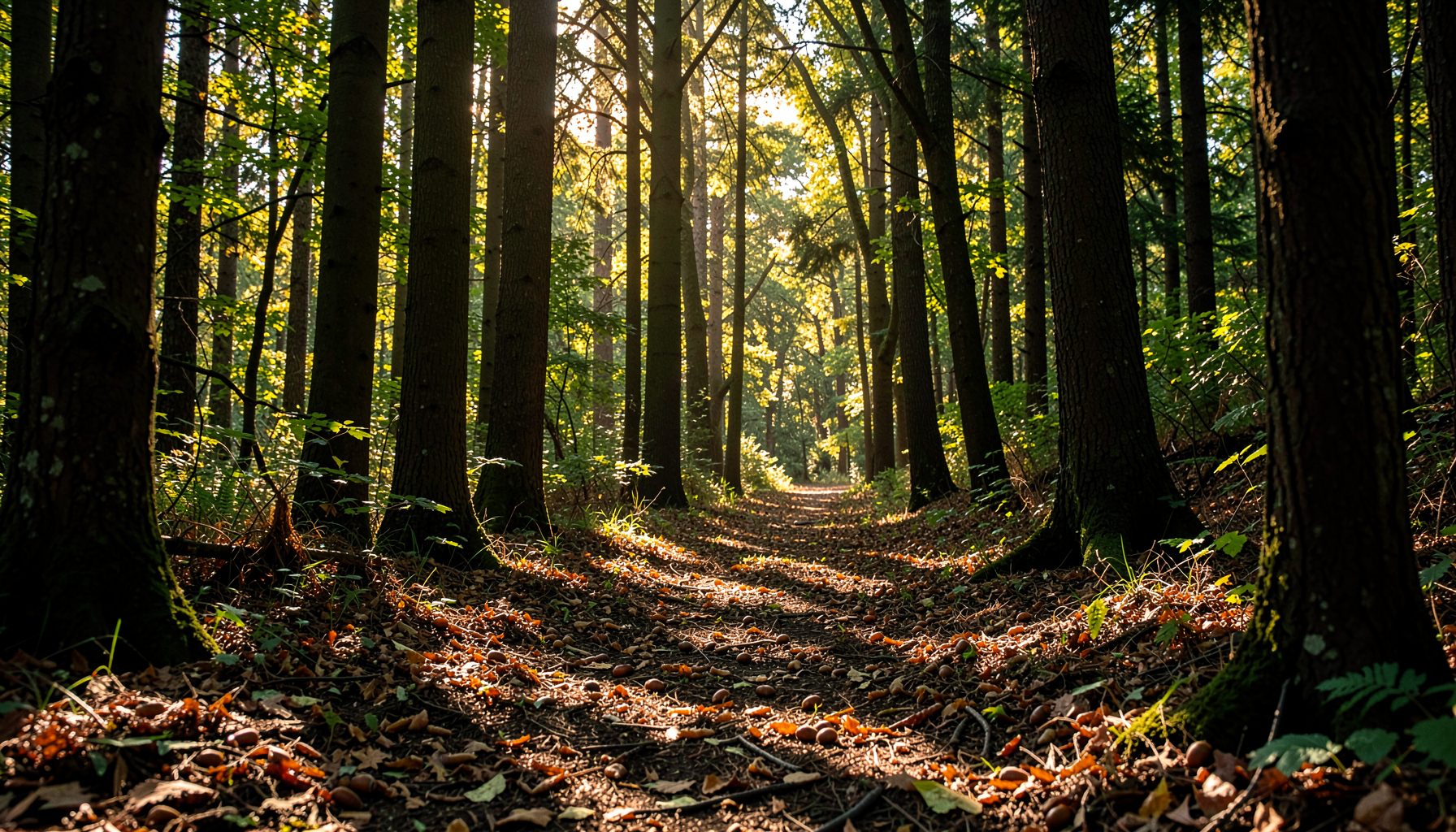
How to Create a Seed Collection Calendar for Your Local Watershed
A seed collection calendar turns seasonal change into a practical conservation plan. Instead of gathering whatever appears ready on a convenient day, volunteers can track when native trees and shrubs flower, produce mature fruit, release seeds, and become useful for nursery propagation. The result is a steadier supply of locally adapted planting material for stream corridors, forests, and community restoration projects.
Every watershed follows its own rhythm. Elevation, soil moisture, exposure, wildlife activity, and weather can shift a collection window by days or weeks. A calendar built from local observations will therefore be more reliable than a generic regional schedule. It can begin as a simple spreadsheet and grow into a shared record that guides schools, families, workplaces, and conservation groups year after year.
The process also creates an educational opportunity. Volunteers learn to recognize native species, understand how seeds develop, and connect forest health with clean water. When collected seeds are sent to a state nursery or restoration partner, a brief autumn outing becomes part of a long-term cycle of reforestation, erosion control, and watershed stewardship.
Define The Watershed And Its Goals
Begin by drawing a practical boundary around the area you want the calendar to serve. It may be an entire subwatershed, a town’s creek network, a park system, or a group of accessible collection sites. Mark differences in elevation, slope, soil, floodplain, and forest type. These details help explain why one species may ripen beside a river before it does on a dry upland ridge.
Next, identify the purpose of the seed collection effort. A nursery may request acorns from several oak species, walnuts, hickories, maples, sycamores, or native shrubs. A stream restoration project may prioritize species suited to wet soils and riverbanks, while a school project may need common trees that are easy to identify. Clear goals prevent volunteers from collecting unsuitable, diseased, invasive, or excessively abundant seed.
Create a short species list with common names, scientific names, preferred habitat, and the receiving organization’s requirements. Include information about acceptable quantities, cleaning, labeling, storage, and delivery. These practical specifications belong in the calendar because a seed is useful only when it can be handled correctly after collection.
Learn The Seasonal Signals
A collection calendar should track biological signals rather than fixed dates alone. Flowering, fruit formation, color change, seed firmness, natural drop, and animal feeding all reveal where a species is in its reproductive cycle. A dry spring may bring early maturation, while a cool summer can delay it. Storms can also knock down fruit before it reaches ideal condition.
Use a repeating observation schedule from spring through late autumn. During each visit, record the date, location, species, flowering or fruiting stage, and a short note about quantity and quality. Photographs of leaves, bark, fruit, and the surrounding habitat help volunteers compare observations. Over several years, these records reveal the normal range for each species and show how unusual weather affects timing.
Species identification should be confirmed before collection begins. For volunteers working with small, less familiar seeds, a visual reference such as this guide to American hornbeam seeds can reduce confusion between similar fruits. A calendar is most valuable when the names and observations behind it are dependable.
Match Species To Collection Windows
Divide the year into broad phases, then refine each phase with local field notes. Some trees produce mature seeds in late summer, while many oaks and walnuts are collected in early to mid-autumn. Native shrubs may fruit at different times from the canopy trees around them. The calendar should show a likely window, an expected peak, and a final check date rather than pretending that one date works every year.
A useful entry might read: “River birch—September 10 to October 5; check weekly; collect when cone scales begin opening.” Another might say: “White oak—late September to mid-October; gather fresh acorns from the ground; reject cracked or insect-damaged seeds.” Specific instructions make fieldwork easier for new volunteers and reduce the number of unsuitable samples.
Use color coding or symbols to distinguish observation, collection, processing, and delivery. A green mark can indicate that fruit is developing, an amber mark can signal that a site needs checking soon, and a dark mark can show that collection is active. Add weather notes, because rainfall and temperature can influence both ripening and the condition of fallen seeds.
| Calendar Element | What To Record | Why It Matters |
|---|---|---|
| Species | Common and scientific name | Prevents identification errors |
| Collection site | Trail, stream reach, park, or property | Supports return visits and local adaptation |
| Habitat | Floodplain, wet meadow, slope, or upland | Matches seed to restoration conditions |
| Expected window | Earliest, peak, and latest dates | Allows flexible planning |
| Readiness signs | Color, firmness, natural drop, opened pods | Guides responsible collection |
| Volunteer needs | People, tools, bags, labels, transport | Prevents last-minute shortages |
| Handling notes | Cleaning, drying, storage, and delivery | Protects seed quality |
| Follow-up | Quantity, condition, and nursery acceptance | Improves future calendars |
Plan Ethical And Efficient Collection
A strong schedule includes site preparation before seeds are ready. Request permission from landowners, confirm park rules, inspect access routes, and identify safe gathering areas away from unstable banks or busy roads. Prepare breathable bags, paper labels, pencils, gloves, hand tools, and field forms. Plastic bags can trap moisture and encourage mold, so they should be used only when the receiving nursery gives specific instructions.
Collection should leave enough food and reproductive material for wildlife and natural regeneration. Avoid stripping a single tree or shrub, and spread gathering across many healthy parent plants. Do not collect from visibly diseased individuals, heavily polluted areas, or locations where identification is uncertain. Marking parent trees and revisiting them over time can help a group build a reliable network of local seed sources.
Native shrubs deserve a deliberate place in the schedule. Their roots can reinforce soil, slow runoff, and provide habitat along creeks, but their seeds may be overlooked when volunteers focus on large hardwoods. Guidance on native shrubs and riverbanks can help connect seed collection with the broader goals of streamside restoration.
Organize People, Places, And Records
Assign each site a coordinator and each collection window a small team. A coordinator can monitor ripening, notify volunteers, confirm access, and report when the window opens. Schools and youth groups may work best with short, supervised outings, while workplaces or community associations may be able to cover several sites in a single weekend. Matching the task to the group keeps participation safe and productive.
Use a shared calendar with reminders for observation visits, collection days, processing, and delivery. Include a backup date because weather, access problems, or an unexpectedly short ripening period can disrupt plans. Text alerts or email updates are useful when a species changes rapidly from unready to overripe.
Every bag should carry a durable label with species, site, date, collector, and any required lot number. At the end of each outing, enter the quantity and condition into a central record. Note whether seeds were full, damaged, moldy, insect-affected, or accepted by the nursery. These details turn volunteer activity into usable conservation data.
Connect Collection With Restoration
A seed calendar becomes more meaningful when it shows where collected material is intended to go. Pair each species with a restoration setting such as a headwater stream, urban creek, floodplain, forest edge, or upland slope. This encourages volunteers to see the path from parent tree to nursery seedling to planting site.
The calendar can also support watershed education. A class might compare seed shapes and dispersal methods, map collection sites, or measure how canopy cover changes along a stream. A community group could combine a seed walk with litter removal or a lesson about erosion. Such activities make ecological processes visible and give participants a reason to return each season.
Review the calendar after every year. Which species produced well? Which sites were difficult to reach? Were collection dates too early or too late? Did the nursery request different quantities? Add these observations before the next spring’s monitoring begins. Over time, the calendar becomes a living local record rather than a one-time event schedule.
Practical Rules For Better Collections
Keep the final document simple enough for a first-time volunteer to use in the field. A one-page seasonal view can provide an overview, while linked species sheets contain identification photographs, readiness signs, handling instructions, and contact details. Make the same information available in print for areas with limited phone service.
Use these rules as a working standard:
- Observe each priority species before scheduling a collection day.
- Record a range of dates instead of relying on one annual deadline.
- Collect across multiple healthy parent plants and suitable sites.
- Label every sample immediately with species, location, and date.
- Follow nursery instructions for cleaning, moisture control, storage, and delivery.
Share updates with everyone involved in the watershed program. Volunteers who notice an early crop, storm damage, or unusual fruiting pattern can improve the schedule for all collection teams. A shared record also helps local groups coordinate, preventing several teams from visiting the same site while another priority area receives no attention.
Start With The Next Season
Building a local seed collection calendar does not require a perfect database or years of scientific training. Start with a manageable group of native trees and shrubs, choose a few accessible sites, and schedule regular observations. Each entry adds practical knowledge about the watershed and makes future restoration work more precise.
Growing Native provides a natural setting for this kind of shared stewardship across the Potomac River watershed. Individuals, families, schools, community groups, and workplaces can contribute observations, collect native hardwood and shrub seeds, and help supply the seedlings needed for healthier forests and waterways. Begin recording the next flowering and fruiting changes now, then turn those observations into a calendar your community can use for years.