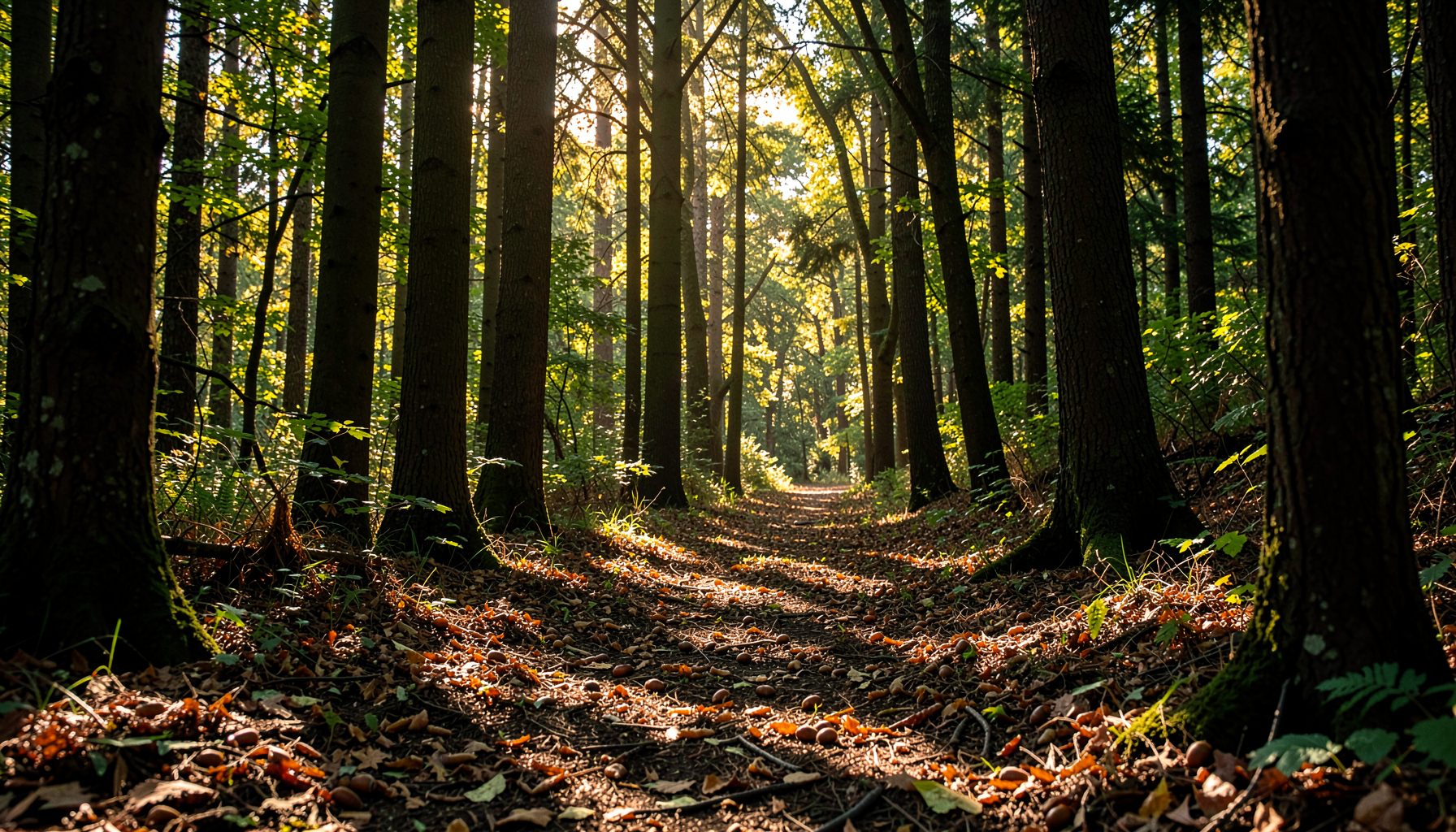
Build a Habitat Corridor From Locally Collected Seeds
A habitat corridor connects isolated patches of woodland, streamside vegetation, and shrub cover so wildlife can move, feed, shelter, and reproduce across a larger landscape. Even a narrow planting along a creek, field edge, neighborhood drainageway, or school property can become a useful link between existing natural areas.
Creating a habitat corridor using seedlings from collected seeds takes patience, planning, and care. The process begins before planting day, with the selection of native parent trees, responsible seed collection, and an understanding of the site’s soil, moisture, sunlight, and wildlife needs.
Locally sourced acorns, walnuts, hickory nuts, berries, and shrub seeds can produce trees and plants adapted to regional conditions. In the Potomac River watershed, this approach also supports cleaner water, erosion control, and the long-term recovery of native forests.
Why Connected Native Habitat Matters
Wildlife habitat is often divided by roads, lawns, farms, development, and utility corridors. A mature forest fragment may still provide food and nesting sites, but animals can struggle to reach another suitable patch. A planted corridor helps close those gaps by offering continuous or stepping-stone habitat.
Birds use trees and shrubs for nesting, cover, and seasonal food. Pollinators depend on flowering plants, while amphibians and small mammals benefit from damp leaf litter and protected movement routes. Along streams, woody vegetation shades the water, stabilizes banks, and filters runoff before sediment and excess nutrients enter the channel.
Species diversity is especially important when designing a corridor. Oaks deserve special attention because their leaves support an exceptional range of caterpillars and other insects. The discussion of oaks and moths illustrates why a single native tree genus can have an outsized effect on the food web.
Choose a Route And Set A Goal
Begin by walking the property and marking existing trees, wetlands, stream channels, steep slopes, invasive plants, fences, roads, and utility lines. Look for places where a new planting could connect two wooded areas or extend an existing riparian buffer. A corridor does not need to be perfectly straight; a winding arrangement often creates more varied edges and sheltered conditions.
Decide what the planting must accomplish. A streamside project may prioritize bank stabilization and shade. A field-edge corridor may focus on bird cover and pollinator resources. A neighborhood project may need attractive, low-maintenance plants that tolerate compacted soil. Clear goals make it easier to choose appropriate species and measure progress.
Use local conservation guidance and Growing Native resources to connect volunteer seed collection with regional restoration work. The program’s educational materials can help participants identify native hardwoods and shrubs, understand watershed health, and prepare collected seeds for nursery production or planting.
Before collecting or planting, obtain permission from landowners and check local regulations. Never gather seed from protected land without authorization. Avoid collecting from a single tree or a small stand, since genetic variety improves resilience and reduces the risk of creating a uniform planting.
Collect And Prepare Regional Seed
Collect mature seed during its natural season. Acorns generally fall in autumn, walnuts develop thick green husks, and many shrubs produce berries later in the year. Choose healthy parent plants that are free from obvious disease and located in the same ecological region as the restoration site. Gather across several trees to preserve genetic diversity.
Separate damaged, moldy, insect-infested, or unusually light seed. Some seeds can be planted soon after collection, while others require a period of cold, moist conditions called stratification. Ask a native plant nursery or restoration professional about the needs of each species; incorrect storage can reduce viability quickly.
Label every collection with the species, date, location, and parent-tree information. Keep seed cool and protected from drying unless the species requires dry storage. For volunteer groups, simple paper records or a shared digital spreadsheet can prevent valuable local genetics from becoming disconnected from their source.
Collected seeds may be sown in containers, outdoor nursery beds, or prepared field plots. Containers make it easier to protect young plants from rodents and competing vegetation, while direct seeding can produce strong root systems with less transplant shock. The best method depends on the species, available labor, and scale of the corridor.
Raise Seedlings For A Strong Start
Young trees need consistent moisture, adequate light, and protection from browsing animals. Water deeply during dry periods rather than applying small amounts frequently. Keep competing grass and invasive vines away from the root zone, but avoid creating bare soil that can erode or invite more weeds.
Grow seedlings until they have a root system and stem size suited to the planting site. Very small plants may be overwhelmed by weeds, drought, or deer, while oversized container trees can suffer from circling roots. Native nurseries often provide guidance on suitable stock size and planting seasons.
A seedling’s survival depends on matching the plant to the site. Floodplain trees tolerate wet soils and periodic inundation, while upland species may decline in saturated ground. Record which species thrive in each part of the nursery so future plantings become more precise.
| Site Condition | Suitable Planting Character | Corridor Benefit | Early Care Priority |
|---|---|---|---|
| Wet stream margin | Flood-tolerant native trees and shrubs | Bank stability, shade, water filtration | Protect roots from washing out |
| Moist woodland edge | Mixed canopy and understory species | Nesting cover and seasonal food | Control vines and invasive shrubs |
| Dry sunny field edge | Drought-tolerant trees, shrubs, and flowering plants | Pollinator resources and wildlife movement | Mulch and water during drought |
| Eroding slope | Deep-rooted native woody plants | Soil retention and reduced runoff | Use erosion controls while roots develop |
| Urban or compacted ground | Hardy native species suited to disturbance | Green connection between fragmented habitats | Improve soil and prevent foot traffic |
Design A Diverse Corridor
Plant in layers rather than placing every tree at the same spacing. A corridor can include canopy trees, smaller understory trees, shrubs, and herbaceous ground cover. This vertical structure gives wildlife more choices and helps the planting function as a small forest community instead of a row of isolated saplings.
Use clusters and irregular groups to imitate natural regeneration. Place several individuals of compatible species together, then leave openings for future growth and herbaceous plants. A wider corridor generally provides better interior habitat, but even a narrow strip can help when it connects larger patches and includes dense shrub cover.
Select a mixture of species that flower, fruit, or produce nuts at different times. Oaks, hickories, native cherries, dogwoods, viburnums, serviceberries, and other regionally appropriate plants can provide staggered resources. Include species that support caterpillars, since insects are essential food for nestling birds.
Avoid invasive ornamentals and avoid relying on one species. A single-species planting may look orderly, but it is more vulnerable to pests, disease, drought, and changing climate conditions. Diversity creates redundancy: if one species performs poorly, others can continue supplying shade, roots, cover, or food.
Plant With Watershed Health In Mind
Planting should usually take place during the dormant season, when cool temperatures reduce stress and soil moisture is more dependable. Dig a hole wider than the root system, keep the root flare at or slightly above ground level, and firm soil gently around the roots. Do not bury the stem or pack soil so tightly that water cannot move through it.
Apply a modest layer of natural mulch around each seedling, leaving space around the trunk. Mulch conserves moisture and suppresses competition, while excessive mulch can retain too much moisture against the bark or attract rodents. Tree shelters, fencing, or cages may be necessary where deer and small mammals are abundant.
A planting plan should include access for watering, inspection, and invasive-plant control. Mark each species and record its location, planting date, and source. These details help volunteers replace losses, compare survival rates, and understand which collected seed performs best under local conditions.
Corridors beside streams require special care. Keep machinery away from wet soils, avoid disturbing the channel, and coordinate larger projects with watershed organizations or land managers. Healthy streamside vegetation reduces sediment movement and helps moderate water temperature, making restoration valuable for both terrestrial and aquatic life.
Steward The Corridor Over Time
The first several years determine whether seedlings become established woodland. Inspect plants through spring, summer, and fall; replace missing stakes or shelters; remove invasive vines; and water during extended dry weather. A corridor should be managed as a living project rather than treated as complete after planting day.
Volunteers, families, schools, and workplaces can divide monitoring into manageable tasks. One group may measure height and survival, another may identify returning birds and insects, and another may photograph fixed locations each season. Repeated observations turn a planting into a practical lesson in forest ecology.
Useful actions include:
- Check seedlings after storms, floods, and periods of extreme heat.
- Keep a three-foot area around young plants free from aggressive weeds where practical.
- Inspect guards for damage and adjust them as stems grow.
- Record flowering, fruiting, wildlife sightings, and signs of browsing.
- Add compatible native species gradually as gaps and site conditions become clear.
Long-term stewardship also means allowing natural regeneration to contribute to the corridor. Fallen leaves, volunteer seedlings, downed branches, and decaying wood support soil organisms and wildlife. Remove hazards when necessary, but avoid making the site overly tidy; a functioning forest contains many forms of shelter and decomposition.
Turn Seed Collection Into Lasting Restoration
A corridor grown from locally collected seed carries a direct connection between community action and watershed recovery. People who identify parent trees, gather acorns, raise seedlings, and care for plantings can see how small seasonal tasks contribute to cleaner water and stronger habitat over many years.
The most successful projects combine ecological design with dependable follow-up. Choose a realistic route, collect responsibly, grow a diverse range of native plants, and involve nearby residents in monitoring. Then begin with the next suitable planting season: organize a seed-collection day, map a habitat gap, and help native seedlings take root where wildlife and waterways need them most.