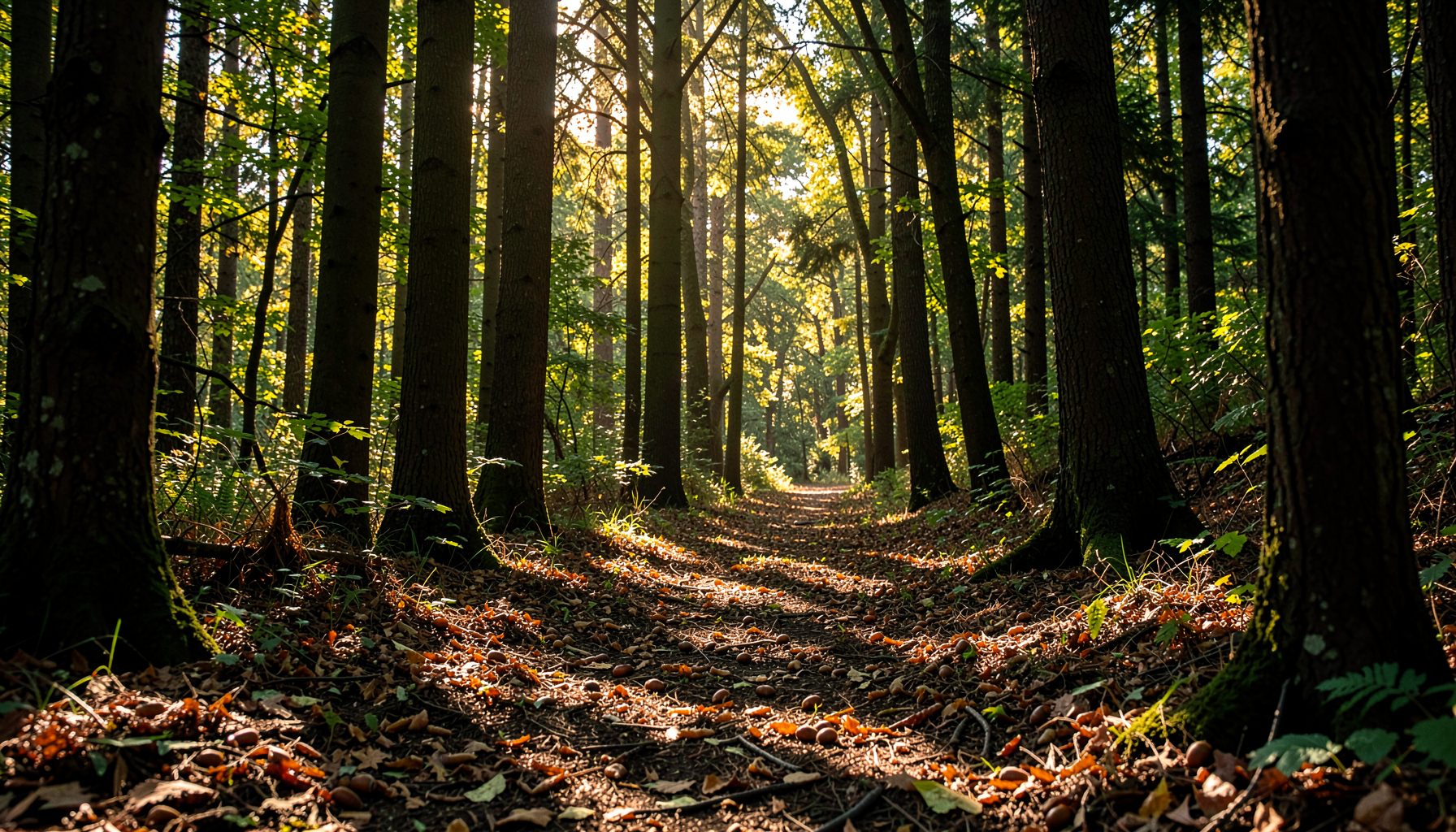
How Climate Change Is Shifting Potomac Seed Collection Seasons
Across the Potomac River watershed, seed collection has always depended on close observation. Volunteers watch for changing leaf colors, inspect developing fruit, and gather mature acorns, walnuts, and other native hardwood and shrub seeds when they are ready to fall. Those seasonal signals connect local forests with state nurseries and future streamside plantings.
Climate change is making that calendar less predictable. Warmer autumns, earlier springs, intense rainfall, summer drought, and occasional late frosts can influence when trees flower, how many seeds they produce, and how quickly seeds mature. A collection date that worked reliably a generation ago may now arrive too early or too late for a particular species or location.
For Growing Native, adapting does not mean abandoning established knowledge. It means combining volunteer experience with careful records from many sites throughout Maryland, Virginia, West Virginia, Pennsylvania, and the District of Columbia. Each observation helps build a more accurate picture of how forest reproduction is changing across the watershed.
Why Seed Timing Matters For Forest Restoration
Native trees do not produce viable seed on a fixed schedule. Flowering, pollination, fruit development, and seed drop are influenced by temperature, rainfall, daylight, soil moisture, and the health of the parent tree. Acorns from white oaks may mature on a different schedule from those of red oaks, while black walnuts, hickories, maples, and shrubs each respond to weather in their own way.
The timing of collection affects both seed quality and nursery success. Seeds gathered before they are fully mature may have low viability, while those left on the ground too long can dry out, mold, or become food for wildlife. Heavy rain can also wash seed into streams or bury it beneath leaves before volunteers have a chance to collect it.
This matters beyond the nursery. Seedlings grown from locally appropriate native species can stabilize streambanks, shade waterways, provide wildlife habitat, and reduce runoff. When collection windows shift, restoration programs need flexible scheduling so the supply of healthy seed remains dependable.
Weather Signals Are Becoming Less Predictable
Warmer fall temperatures can delay leaf senescence and alter the pace of seed maturation. Some trees may retain green leaves later into the year, making it harder to judge when seeds are ready. In other cases, a hot, dry summer can accelerate development and cause fruit to drop earlier than expected.
Spring conditions also influence the following autumn. An early warm spell may trigger flowering before pollinators are active, while a late freeze can damage blossoms and reduce the number of seeds produced months later. A year with abundant flowers does not always become a year with abundant viable seed.
Rainfall patterns add another layer of uncertainty. Drought can reduce seed size and production, while storms near the collection window can scatter seed widely or make forest floors difficult to access. Short periods of extreme weather may have a stronger effect than gradual seasonal warming because they disrupt several stages of the reproductive cycle at once.
Volunteers can help reveal these changes by recording what they see rather than relying on a traditional date alone. Notes about flowering, fruit color, first drop, ground conditions, and weather before collection create useful evidence for future scheduling.
A Flexible Calendar For The Watershed
The Potomac watershed covers a wide range of elevations, soils, and microclimates. A walnut tree near a warm urban corridor may release seed days or weeks before a similar tree on a cooler Appalachian slope. South-facing hillsides, stream valleys, forest edges, and dense interior stands can all develop at different rates.
A flexible calendar gives volunteer groups a starting point while leaving room for site-specific decisions. The dates below are broad seasonal guides, not strict rules. The best collection window should be confirmed by examining the seed itself and observing the parent trees.
| Seed type or group | Common seasonal window | Climate-related timing concern | Useful field signal |
|---|---|---|---|
| White oak acorns | Early to mid-autumn | Earlier maturation after hot, dry summers | Acorns fall easily and show firm caps |
| Red oak acorns | Mid- to late autumn | Delayed drop during warm falls | Full-sized acorns begin falling in quantity |
| Black walnuts | Late summer to early autumn | Storms can scatter or damage fruit | Green husks drop or loosen from branches |
| Hickory nuts | Early to mid-autumn | Drought may reduce crop size | Mature nuts fall with a firm outer husk |
| Native shrubs | Late summer through autumn | Irregular fruiting after spring frost | Fruit reaches species-specific color and firmness |
A regional program can use this variation to its advantage. Instead of holding one large collection event for every site, organizers can offer several dates and ask local leaders to report when seeds begin dropping. Staggered events make it easier to capture short windows and reduce the pressure on volunteers to collect everything at once.
Better Records Lead To Better Nursery Supply
Climate adaptation begins with consistent information. A simple collection record can include the species, location, elevation or general landscape position, date, weather conditions, estimated quantity, and whether seeds were collected from trees or gathered from the ground. Photographs of fruit and parent trees can help confirm identification when unusual timing creates uncertainty.
After collection, sorting and counting become important quality-control steps. Volunteers can separate damaged, empty, moldy, or poorly developed seeds from those most likely to grow. Growing Native explains how volunteers count and sort seeds, turning a harvest into useful information for nursery partners as well as a cleaner donation.
Comparing records across years can show whether a species is producing smaller crops, reaching maturity earlier, or becoming less reliable at a particular site. It can also identify resilient parent trees that continue producing strong seed during heat, drought, or irregular rainfall. Those observations support better decisions about where to collect and which species may be suitable for future restoration projects.
Data does not replace field judgment. A spreadsheet may show that a collection usually occurs in October, but a volunteer inspecting the site may find that mature seed has already fallen in September. Combining historical records with current observations allows organizers to respond quickly without losing the value of long-term patterns.
Volunteer Networks Can Track Local Change
A broad volunteer network is especially valuable when seasonal shifts vary from place to place. Individuals can watch one property over several weeks, while schools, families, workplaces, and community groups can organize larger collection days. Together, they create a distributed monitoring system across the watershed.
Scout troops and youth groups can contribute meaningful conservation work when activities include species identification, careful collection, and habitat education. Growing Native offers guidance on scout conservation activities, helping leaders connect a practical service project with lessons about forests, watersheds, and climate patterns.
Training should emphasize safe and ethical collection. Volunteers should collect only where permission has been granted, avoid damaging branches or bark, leave sufficient food for wildlife, and follow instructions for handling and labeling donations. Accurate identification is essential because a misidentified seed can undermine both nursery production and ecological restoration goals.
Local knowledge also adds context that formal weather data may miss. A volunteer may notice that a floodplain stayed wet longer than usual, that a forest edge dried out quickly, or that wildlife removed most fallen acorns within a few days. These details can explain why two nearby sites produce very different results.
Practices That Strengthen Each Collection
Seasonal uncertainty calls for preparation without excessive complexity. Organizers can maintain a list of likely collection sites, identify backup dates, and prepare bags, labels, gloves, field guides, and transport containers before seeds begin to fall. A short training session can help new participants recognize mature seed and record observations consistently.
Flexible planning also makes participation easier. A group that cannot attend a weekend event might monitor one tree, collect during a weekday, or help clean and label donations afterward. Different forms of involvement allow more people to support restoration while giving the program information from a wider range of places.
Useful practices include:
- Check parent trees and ground conditions several times instead of relying on one calendar date.
- Record first flowering, first mature fruit, first seed drop, and the main collection window.
- Use separate labeled containers for each species and collection site.
- Keep seeds cool, shaded, and dry enough to prevent overheating or mold during transport.
- Share unusual observations, including low crops, early drops, storm damage, or signs of drought stress.
These habits help distinguish a single unusual season from a lasting shift. They also improve the quality of material sent to nurseries, where careful handling and accurate labels support successful germination and seedling production.
Turning Seasonal Observations Into Action
Climate change may make Potomac seed collection less predictable, but it also highlights the importance of local stewardship. Every collection event can contribute two kinds of value: native seed for future forests and observations that help communities understand changing ecological rhythms.
Growing Native depends on people who are willing to notice those rhythms and respond. Volunteers can sign up as individuals, bring a family or school group, involve a workplace, or coordinate a community collection. By watching local trees, collecting responsibly, and sharing accurate records, participants help strengthen the supply of native plants needed for cleaner water, healthier stream corridors, and resilient watershed forests.