How Collection Sites Work
Growing Native collection sites serve as local hubs where volunteers can obtain collection bags and identification tags, and return their gathered hardwood and shrub seeds. Sites are organized by state and region within the 15,000-square-mile Potomac River watershed. Each state nursery — in Maryland, Pennsylvania, Virginia, and West Virginia — receives the donated seeds to grow seedlings for streamside forest restoration.
Find a Site Near You
Collection sites are located across the four-state watershed. Bags and tags are available for pick-up at each location. Some sites also host public collection events during the fall season. For questions about a specific site or to confirm hours, please contact us.
Maryland & Washington, DC
Collection sites serve communities throughout Maryland and the District of Columbia. Check with your local site for bag and tag availability.
Pennsylvania
Sites across Pennsylvania welcome volunteers to drop off acorns, walnuts, and other native hardwood seeds for the state nursery.
Virginia
Virginia sites offer bags, tags, and drop-off services. Public collection events may be scheduled during the fall collection window.
West Virginia
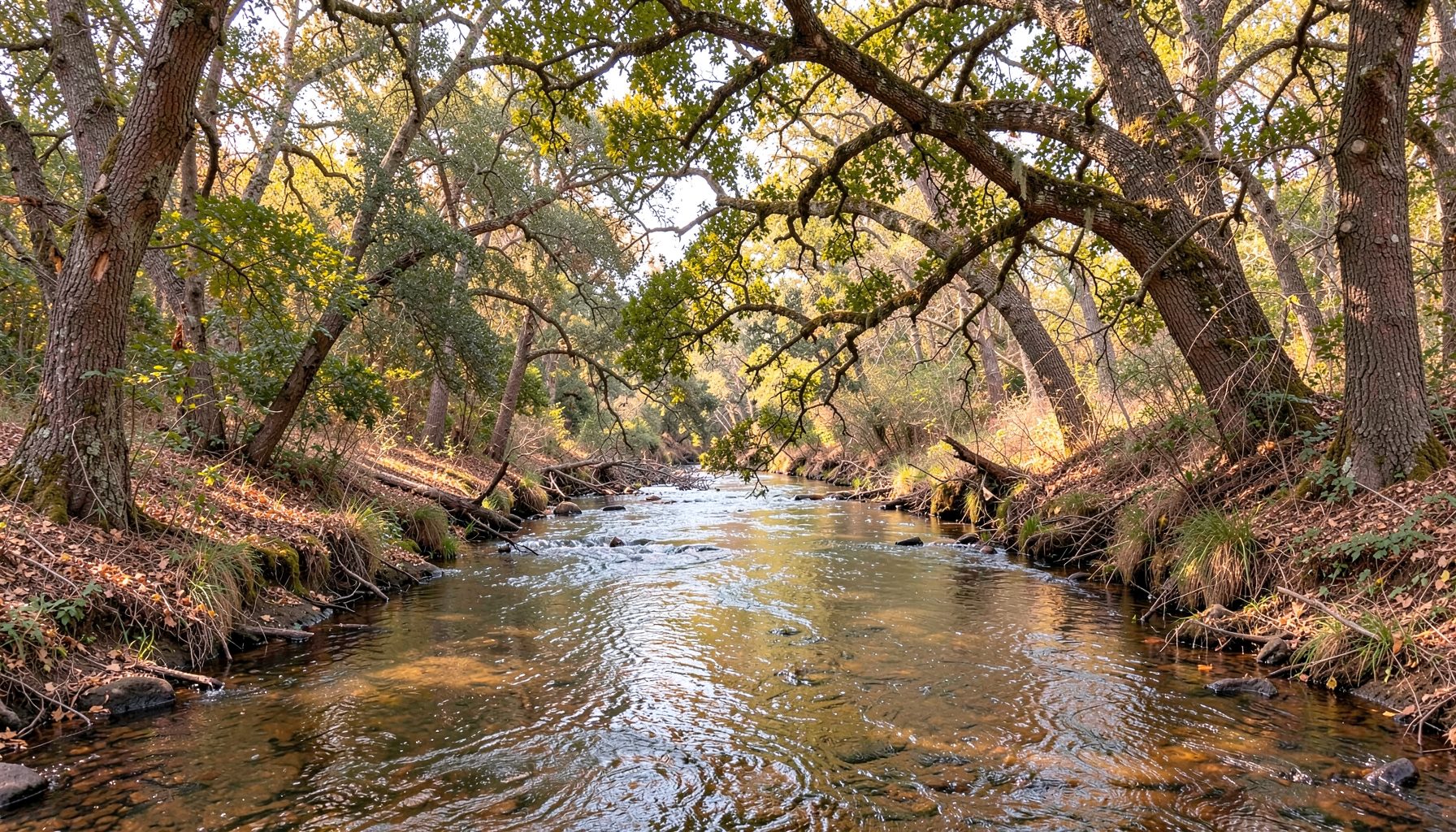
West Virginia collection points support volunteers gathering native seeds to help restore streamside forests across the watershed.
Ready to Collect?
Before heading to a site, review our seed collection guide for tips on identifying target species and proper handling. Once you've gathered your seeds, bring them to the nearest drop-off location.
Interested in volunteering as a drop-off site coordinator? Learn more on our Volunteer Opportunities page or get in touch with our team.
Getting involved as a collection site volunteer begins with a simple visit to a nearby location. These hubs are designed to make the seed collection process as straightforward as possible for community members of all experience levels. When you arrive, you will find the supplies needed to participate, along with clear guidance on which tree and shrub species are currently being sought. The network of sites spans the entire Potomac watershed, ensuring that no matter where you live in the region, there is likely a convenient drop-off point nearby. This distributed approach allows thousands of residents to contribute meaningfully to forest restoration without traveling long distances.
Each collection site plays a vital role in the larger restoration pipeline. Seeds gathered by volunteers at these locations are consolidated and delivered to state nurseries, where they are nurtured into healthy seedlings destined for streamside plantings. This careful chain of custody ensures that locally sourced genetic material is used to restore the region's hardwood forests, preserving the natural biodiversity of the watershed. By participating, volunteers help close the loop between community action and measurable environmental impact. The work is seasonal, with collection windows timed to when seeds naturally mature, making it an accessible commitment that can be tailored to individual schedules and availability.
Beyond simply accepting seeds, collection sites also serve as educational touchpoints for the community. Visitors can learn about native species identification, proper seed handling techniques, and the broader goals of the restoration initiative. Site coordinators and ambassadors are on hand to answer questions and share resources, helping first-time volunteers build confidence in their contributions. This educational dimension strengthens the program by cultivating a deeper understanding of why local forests matter and how small, consistent actions can compound into landscape-level change. Whether you are a seasoned naturalist or a curious newcomer, the collection site experience offers a welcoming entry point into hands-on conservation work.